

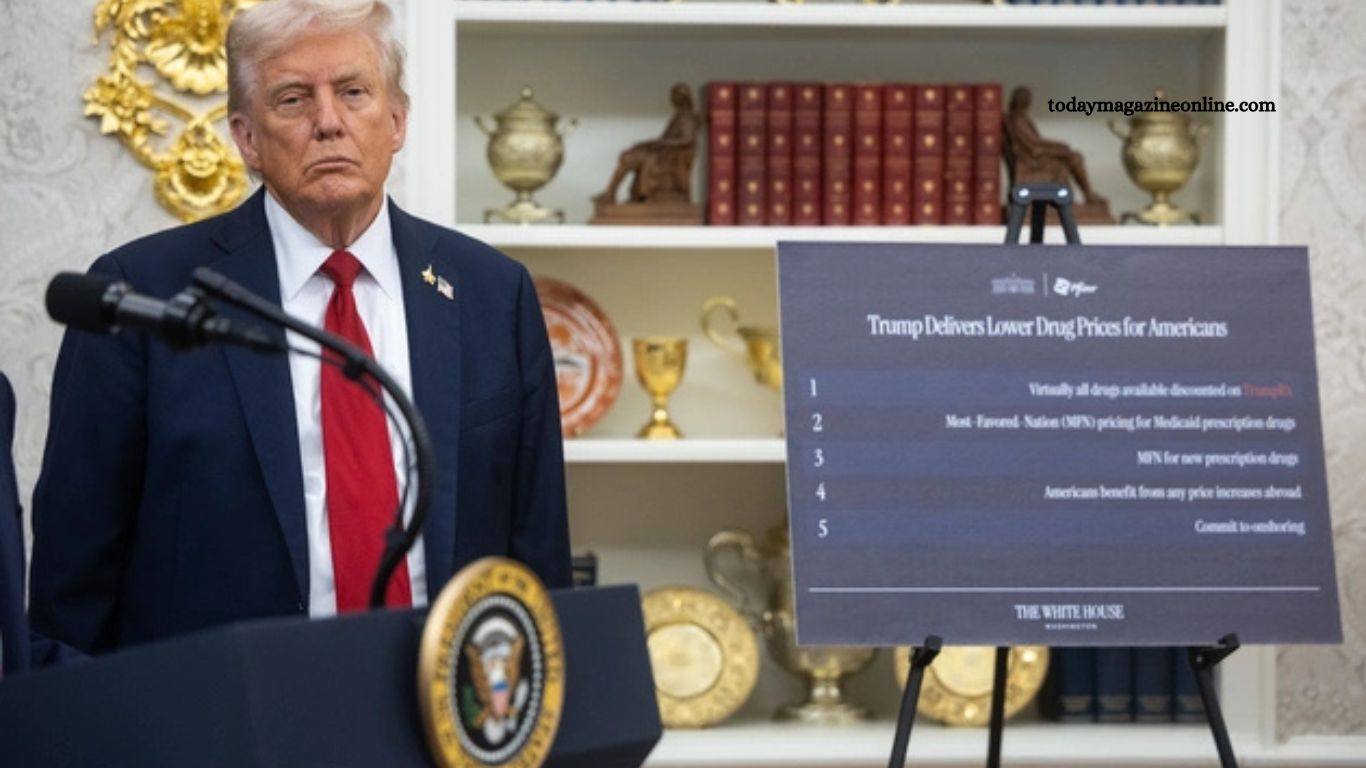
Donald Trump’s latest health care initiative faces uncertainty as Republican lawmakers express concern and pushback ahead of its anticipated rollout. The plan, which was expected to include a two-year extension of Affordable Care Act (ACA) subsidies, income caps, and minimum premium requirements, has raised questions about whether it will also include stricter abortion restrictions under the Hyde Amendment.
While some conservatives view the proposal as aligning with long-standing priorities, others remain wary of extending subsidies or negotiating bipartisan deals. White House officials have provided few details, contributing to confusion about the timing and specifics of the announcement. As lawmakers on both sides of the aisle weigh the potential benefits and drawbacks, the future of the plan remains uncertain.
Read More: Memorial Health System Welcomes Dr. Joan Allman to Primary Care Team
Planned Rollout and Initial Expectations
Trump had been expected to unveil a new health care policy framework Monday afternoon, according to sources familiar with the plan who requested anonymity. The framework was reportedly designed to focus on a two-year extension of Affordable Care Act (ACA) subsidies, with income caps and other measures favored by conservative lawmakers.
White House press secretary Karoline Leavitt confirmed Monday that Trump remained committed to “unveiling a health care proposal” but declined to provide details about subsidy extensions or a specific timeline, stating, “I’ll let the president speak for himself.” A separate White House official noted that Trump’s public schedule did not include plans for a Monday rollout.
Republican Divisions on ACA Subsidies
The delay highlights a broader divide among House Republicans over the future of the ACA’s enhanced tax credits. Some GOP lawmakers support extending the subsidies to prevent premium spikes next year, while others favor letting them expire and pursuing alternative approaches to reduce health care costs.
One House Republican, speaking on condition of anonymity, said lawmakers were awaiting details about the “structural changes” Trump might propose, emphasizing that any subsidy extension should come with “reforms … in exchange.”
Key Features of the Proposed Plan
Sources who reviewed the tentative proposal ahead of its release indicated that Trump intended to:
- Impose new income caps on individuals receiving ACA subsidies.
- Require minimum premium payments for enrollees.
- Offer an option to deposit part of the tax credit into a tax-advantaged savings account for those who select lower-premium plans.
These measures reflect long-standing conservative priorities. However, it remained unclear whether Trump’s plan would expand restrictions under the Hyde Amendment, which bars federal funds from being used for abortions.
Marjorie Dannenfelser, president of Susan B. Anthony Pro-Life America, reiterated her group’s opposition to any subsidy extension lacking nationwide abortion safeguards, warning that lawmakers who vote in favor could face political consequences.
Mixed Reactions Among Republicans
The plan reportedly caught some Hill Republicans off guard, particularly those opposed to any bipartisan extension of the ACA credits. House Majority Whip Tom Emmer (R-Minn.) noted Monday that opinions within the GOP conference varied and indicated further statements from the White House were expected.
Not all Republicans were critical. Rep. Tim Burchett (R-Tenn.) praised Trump for pushing lawmakers “to the table” and called the forthcoming framework a starting point for negotiations, despite his personal opposition to subsidies. Burchett also suggested that the plan’s rollout could occur Tuesday, highlighting the uncertainty surrounding its timing.
Leavitt left open the possibility that the final White House proposal might not include a subsidy extension, emphasizing that reports about the plan are not always accurate until Trump makes an official announcement.
Democratic Responses
Some Democrats expressed cautious optimism that Trump might support extending the ACA credits. Sen. Jeanne Shaheen (D-N.H.) noted “constructive conversations” with Republicans and suggested that a serious proposal from the White House could pave the way for bipartisan agreement.
However, not all Democrats were receptive. The top three House Democrats overseeing health care committees—Reps. Richard Neal (Mass.), Frank Pallone (N.J.), and Bobby Scott (Va.)—criticized the forthcoming proposal, labeling it the “greatest hits of Republican health care ideas the people have rejected for years” and asserting that only a clean extension would prevent premium hikes.
The Path Forward
As debate continues, Trump’s proposal remains a tentative first step in a complex negotiation over the future of ACA subsidies. Both parties are weighing political and policy trade-offs, with potential floor votes expected in mid-December. Lawmakers will need to reconcile differences on income caps, premium structures, and abortion funding restrictions before a final plan can move forward.
Frequently Asked Questions
What is the plan?
A proposed two-year extension of ACA subsidies with income caps, minimum premiums, and optional savings accounts for lower-cost plans.
Why the delay?
Republicans are divided, and the White House schedule didn’t initially include a rollout.
Will it include abortion restrictions?
Unclear—some anti-abortion groups want stricter rules, but details are not finalized.
How are Republicans reacting?
Mixed reactions: some support it as a starting point, others oppose extending subsidies.
How are Democrats reacting?
Some cautiously optimistic; others want a clean extension to prevent premium hikes.
When will it be announced?
Possibly Tuesday, though the White House has not confirmed a date.
Conclusion
Donald Trump’s health care plan highlights the ongoing tensions within the Republican Party and the broader challenge of navigating bipartisan health care policy. While the proposal aims to extend ACA subsidies with conservative reforms, questions around abortion restrictions, subsidy limits, and premium requirements have left both parties cautious.
