

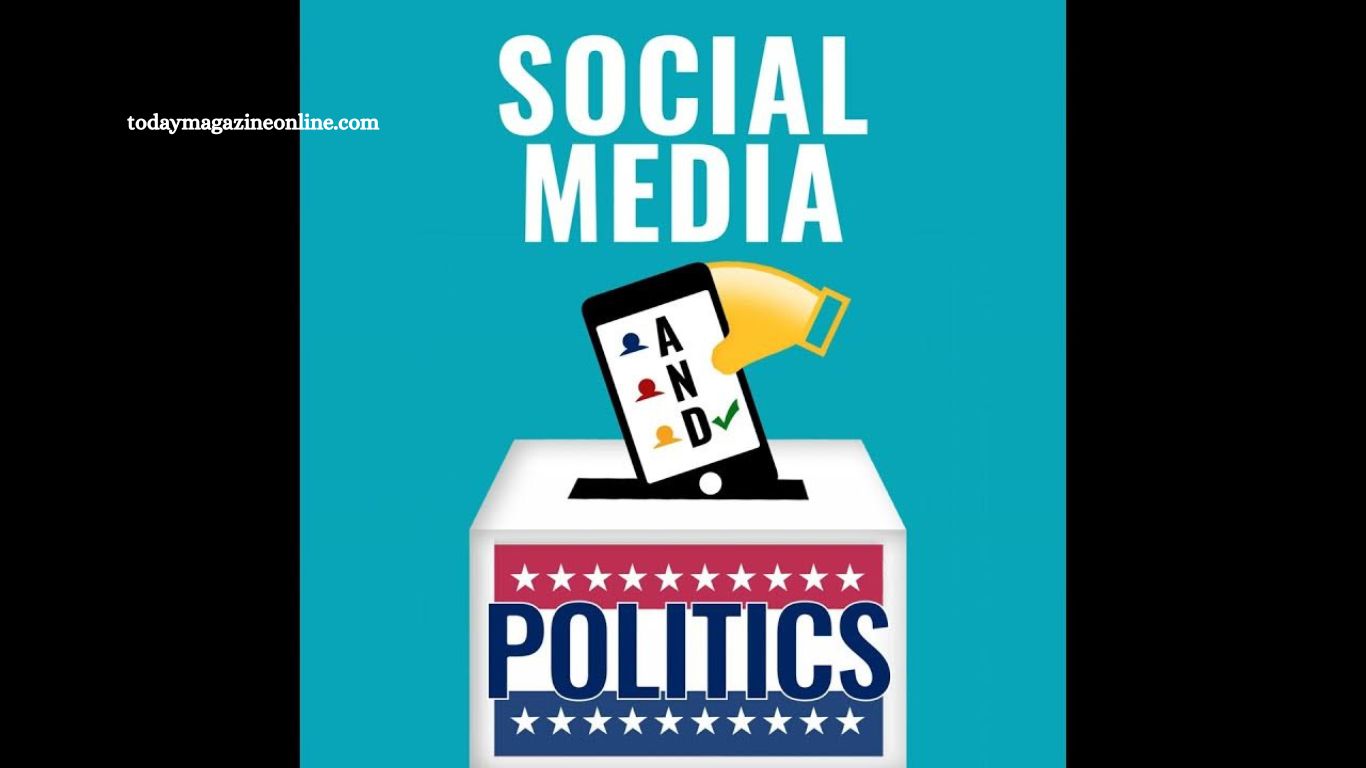
Social media transformed political communication across the world. Platforms connect leaders, institutions, and voters through instant digital interaction. Political messaging once controlled traditional media channels such as television, newspapers, and radio. Today, social platforms provide a direct communication route between political actors and citizens.
Modern political campaigns rely heavily on digital presence. Strategic content, audience engagement, and rapid information distribution shape public opinion within minutes. Social media influences elections, policy discussions, and civic participation across democratic societies. This article explores the role of social media in modern politics, examining political communication, voter mobilization, public discourse, and challenges to digital influence.
Read More: Political Debates: Key Highlights and Public Reactions
Evolution Political Communication
Political communication has evolved dramatically over the past two decades. Earlier political messaging depended largely on press conferences, televised debates, and printed campaigns. Communication flow was mostly one-directional: leaders spoke, citizens listened.
Social media introduced an interactive political environment. Politicians now share policy positions, campaign updates, and live speeches through platforms such as X, Facebook, Instagram, and YouTube. Citizens respond instantly through comments, reactions, and reposts.
This shift created a digital public sphere where political discussion occurs continuously rather than only during election cycles.
Key features include:
- Real-time communication
- Direct engagement with voters
- Viral information spread
- Decentralized political discussion
Political Campaign Strategy Social Media
Modern political campaigns integrate social media strategy alongside traditional outreach. Campaign teams design targeted digital messaging tailored to specific voter groups.
Targeted Political Advertising
Social media platforms collect extensive user data, including demographics, interests, and online behavior. Political campaigns use these insights to create highly targeted advertisements. Messages that reach specific audiences likely support a candidate or a policy.
Targeted campaigns improve efficiency, reduce campaign costs, and expand reach among younger digital-native voters.
Content Strategy Campaign Messaging
Successful campaigns publish consistent content, including:
- Short videos explaining policy proposals
- Infographics presenting statistics
- Live streams campaign events
- Behind-the-scenes candidate interactions
Visual storytelling increases engagement compared to long policy speeches. Shareable content spreads rapidly through networks.
Grassroots Digital Mobilization
Social media supports grassroots political organizations. Supporters coordinate rallies, volunteer events, and fundraising campaigns through online group communities.
Hashtag movements encourage collective participation. Digital activism amplifies local voices to global audiences.
Social Media Influences Public Opinion
Public opinion formation increasingly occurs through digital platforms. Political narratives spread through posts, comments, memes, and videos.
Several mechanisms drive influence:
Algorithmic Content Distribution
Social platforms prioritize engaging content through algorithms. Posts receiving high interaction appear more frequently within user feeds. Political messages with emotional appeal often spread quickly.
Influencer Political Messaging
Influencers, journalists, and activists shape political conversation online. Large follower bases enable individuals to amplify political viewpoints widely. Endorsements or criticism from influential figures affect voter perceptions.
Citizen Journalism
Users frequently share videos, photos, eyewitness reports, and political events. Real-time reporting sometimes exposes issues that traditional media overlook. Citizen journalism increases transparency but also raises concerns about accuracy verification.
Social Media Role in Voter Participation
Digital platforms encourage civic engagement among younger generations. Online political information accessible through smartphones increases awareness of political issues.
Voter Education
Political organizations distribute educational content explaining:
- voting procedures
- registration deadlines
- policy comparisons
- candidate platforms
Accessible information reduces barriers for first-time voters.
Youth Political Engagement
Young citizens spend significant time online. Social media platforms have become a primary source of political awareness. Interactive discussions stimulate political curiosity and participation.
Digital Fundraising
Campaigns collect donations through social platforms using quick payment systems. Small individual contributions accumulate large campaign funding pools.
Challenges Social Media Politics
Despite advantages, social media politics introduces significant challenges affecting democratic systems.
Misinformation Disinformation
False political narratives spread rapidly through social networks. Misleading content influences voter perceptions before verification occurs. Foreign interference campaigns sometimes exploit social media to amplify divisive narratives.
Echo Chambers: Political Polarization
Algorithms frequently expose users’ content to match existing beliefs. Limited exposure to and opposing viewpoints strengthen ideological polarization. Political debate becomes more confrontational rather than constructive.
Data Privacy Concerns
Political campaigns analyze user data and create targeted persuasion strategies. Privacy advocates argue that excessive data collection threatens personal autonomy. Regulation efforts attempt to balance technological innovation and democratic safeguards.
Future Social Media Political Landscape
Technology evolution will continue to reshape political communication. Artificial intelligence tools, advanced analytics, and immersive digital platforms may transform campaigns further.
Possible developments include:
- AI-driven political messaging personalization
- virtual campaign rallies
- real-time voter sentiment analysis
- stronger platform regulation combating misinformation
Governments, technology companies, and civil society organizations must collaborate to ensure responsible digital political ecosystems.
Frequently Asked Questions
How does social media impact political campaigns?
Social media allows candidates to reach large audiences directly, share policy updates, and engage voters instantly.
Can social media increase voter participation?
Yes, platforms provide accessible political information, encourage discussion, and make online voter registration and fundraising easier.
What is the role of algorithms in politics?
Algorithms prioritize content with high engagement, which can amplify popular political messages and shape public opinion.
How does social media contribute to misinformation?
False or misleading political content can spread rapidly, sometimes influencing voter perceptions before verification.
What are the risks of echo chambers?
Users often see content aligned with their beliefs, limiting exposure to opposing viewpoints and increasing political polarization.
How can social media improve political transparency?
Citizen journalism and real-time updates allow the public to monitor events and hold politicians accountable.
Conclusion
Social media plays a central role in modern politics. Digital platforms enable direct communication between leaders and citizens, reshape campaign strategies, and increase voter engagement. Political discussion now occurs continuously within online networks.
