

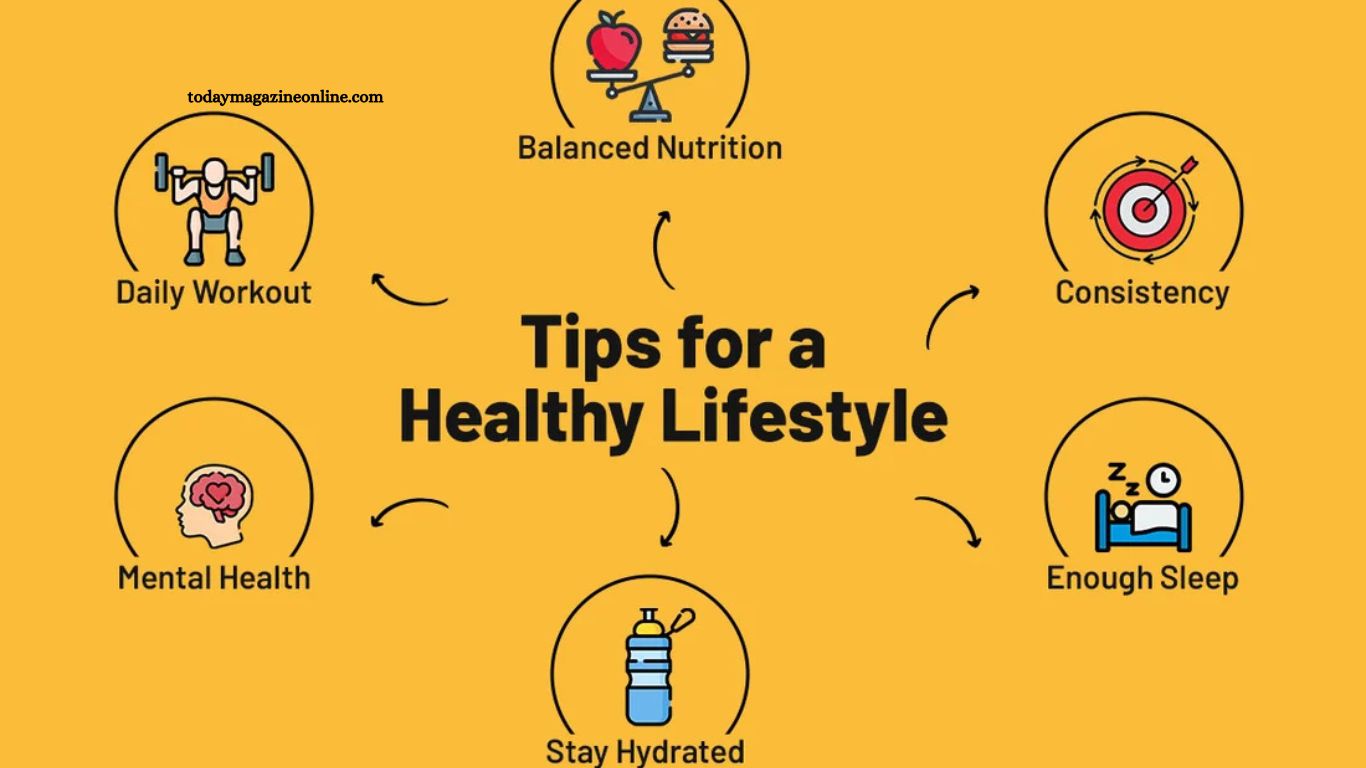
Healthy nutrition plays an important role in maintaining energy, supporting daily performance, and promoting overall wellness. A balanced diet provides essential nutrients that help the body function properly while supporting healthy habits over time.
Making better food choices does not require complicated meal plans or strict restrictions. Small, consistent changes such as eating more whole foods, drinking enough water, controlling portions, and maintaining balanced meals can create a healthier lifestyle.
Read More: Health Benefits of Staying Active Every Day
What Is Healthy Nutrition?
Healthy nutrition means giving the body a variety of nutrients through a balanced and diverse diet. The body needs carbohydrates, proteins, healthy fats, vitamins, minerals, fiber, and water to support normal functions.
A nutritious eating pattern focuses on whole grains, fruits, vegetables, lean protein sources, healthy fats, and minimally processed foods. Combining different food groups helps provide a broader range of nutrients throughout the day.
Start Your Day With a Nutritious Breakfast
Breakfast can provide energy after an overnight fast and help establish healthy eating habits for the day. A balanced breakfast may include protein, whole grains, fruit, and healthy fats.
Options such as eggs with whole-grain toast, Greek yogurt with fruit, or oatmeal with nuts can provide a combination of nutrients. Choosing nutrient-rich foods in the morning can also make it easier to maintain balanced meals throughout the day.
Eat More Fruits and Vegetables
Fruits and vegetables are rich sources of vitamins, minerals, fiber, and other beneficial plant compounds. Including different colors and varieties can increase dietary diversity.
Try adding vegetables to lunch and dinner while keeping fresh or whole fruits available for snacks. Seasonal produce can also provide affordable and flavorful options for everyday meals.
Choose High-Quality Protein Sources
Protein supports muscle maintenance, tissue repair, and many important body functions. Good protein choices include eggs, fish, poultry, beans, lentils, yogurt, nuts, seeds, and other nutrient-rich foods.
Including protein in regular meals can help create more balanced dishes. Combining plant-based and animal-based protein sources can provide variety while supporting different dietary preferences.
Select Healthy Fats
Not all fats have the same nutritional value. Unsaturated fats from foods such as avocados, nuts, seeds, olive oil, and fatty fish can be part of a balanced eating pattern.
Reducing frequent consumption of foods high in saturated and trans fats can support better overall dietary quality. Focus on replacing less nutritious fat sources with healthier alternatives rather than eliminating dietary fat.
Choose Whole Grains
Whole grains contain more naturally occurring fiber and nutrients than refined grains. Foods such as oats, brown rice, whole-wheat bread, barley, and whole-grain pasta can contribute to a nutritious diet.
Replacing some refined grain products with whole-grain alternatives can increase daily fiber intake. Higher-fiber foods can also support digestive health and contribute to feelings of fullness.
Drink Enough Water
Proper hydration supports digestion, temperature regulation, physical performance, and normal body functions. Water is generally the best everyday beverage for maintaining hydration.
Keep water accessible throughout the day and drink more during hot weather or periods of physical activity. Limiting sugary drinks can also reduce unnecessary added sugar intake.
Control Portion Sizes
Healthy foods can still contribute to excessive calorie intake when portions become too large. Portion awareness can help create a balanced approach without requiring strict food restrictions.
Use reasonable serving sizes and pay attention to hunger and fullness signals. Eating slowly can also make it easier to recognize when the body has had enough food.
Limit Highly Processed Foods
Many highly processed foods contain large amounts of added sugar, sodium, saturated fat, or refined carbohydrates. Frequent consumption can make it harder to maintain a nutrient-rich diet.
This does not mean every processed food needs to be avoided. Instead, prioritize minimally processed foods most of the time and enjoy less nutritious choices occasionally as part of an overall balanced eating pattern.
Reduce Added Sugar
Excessive added sugar can increase overall calorie intake without providing many essential nutrients. Common sources include sugary drinks, sweets, desserts, and some packaged foods.
Reading nutrition labels can help identify added sugars and make informed choices. Naturally sweet foods such as fruit can provide sweetness along with fiber, vitamins, and minerals.
Increase Dietary Fiber
Fiber supports digestive health and can help promote fullness. It is found naturally in fruits, vegetables, whole grains, beans, lentils, nuts, and seeds.
Increase fiber gradually while maintaining adequate fluid intake. A varied diet containing plenty of plant foods can make it easier to reach daily fiber needs.
Practice Mindful Eating
Mindful eating involves paying attention to hunger, fullness, taste, and eating habits. Avoiding distractions during meals can make it easier to recognize how much food the body needs.
Eating slowly and enjoying each meal can also improve the overall eating experience. The goal is to develop awareness rather than follow strict rules.
Plan Balanced Meals
Meal planning can make healthy eating easier during busy days. A simple meal can combine vegetables or fruit, a protein source, whole grains or another carbohydrate source, and a healthy fat.
Preparing some ingredients ahead of time can reduce reliance on convenience foods. Keeping nutritious staples available at home also makes balanced meals easier to prepare.
Maintain Consistency
Healthy nutrition is based on long-term habits rather than perfection. An occasional dessert, restaurant meal, or favorite snack does not cancel the benefits of an otherwise balanced diet.
Focus on gradual improvements and sustainable choices. Consistency over time can have a greater impact than short-term restrictive diets.
Frequently Asked Questions
What is the most important nutrition tip?
Eating a varied diet rich in vegetables, fruits, whole grains, protein, and healthy fats is a strong foundation for healthy nutrition.
How much water should I drink daily?
Water needs vary according to factors such as activity, climate, age, and diet. Drink regularly and increase intake during exercise or hot weather.
Are carbohydrates part of a healthy diet?
Yes. Nutrient-rich carbohydrates such as whole grains, fruits, vegetables, and legumes can provide energy and important nutrients.
Is breakfast necessary for good nutrition?
Breakfast can be part of a healthy eating pattern, although individual nutritional needs and eating schedules vary.
How can I reduce sugar intake?
Limit sugary drinks, sweets, and highly sweetened packaged foods while choosing whole fruits and unsweetened beverages more often.
Can healthy eating include snacks?
Yes. Nutrient-rich snacks such as fruit, yogurt, nuts, seeds, or vegetables can fit into a balanced diet.
Conclusion
Nutrition is an important foundation for a healthier lifestyle. Eating a variety of nutrient-rich foods, staying hydrated, choosing balanced portions, and limiting highly processed foods can support overall well-being. The best approach is realistic and sustainable. By making small improvements and maintaining healthy eating habits consistently, you can build a nutritious lifestyle that supports energy, wellness, and everyday performance.

2 Comments
Pingback: Mental Health Strategies for Managing Daily Stress - Today Magazine Online
Pingback: How to Maintain Good Health at Any Age - Today Magazine Online