

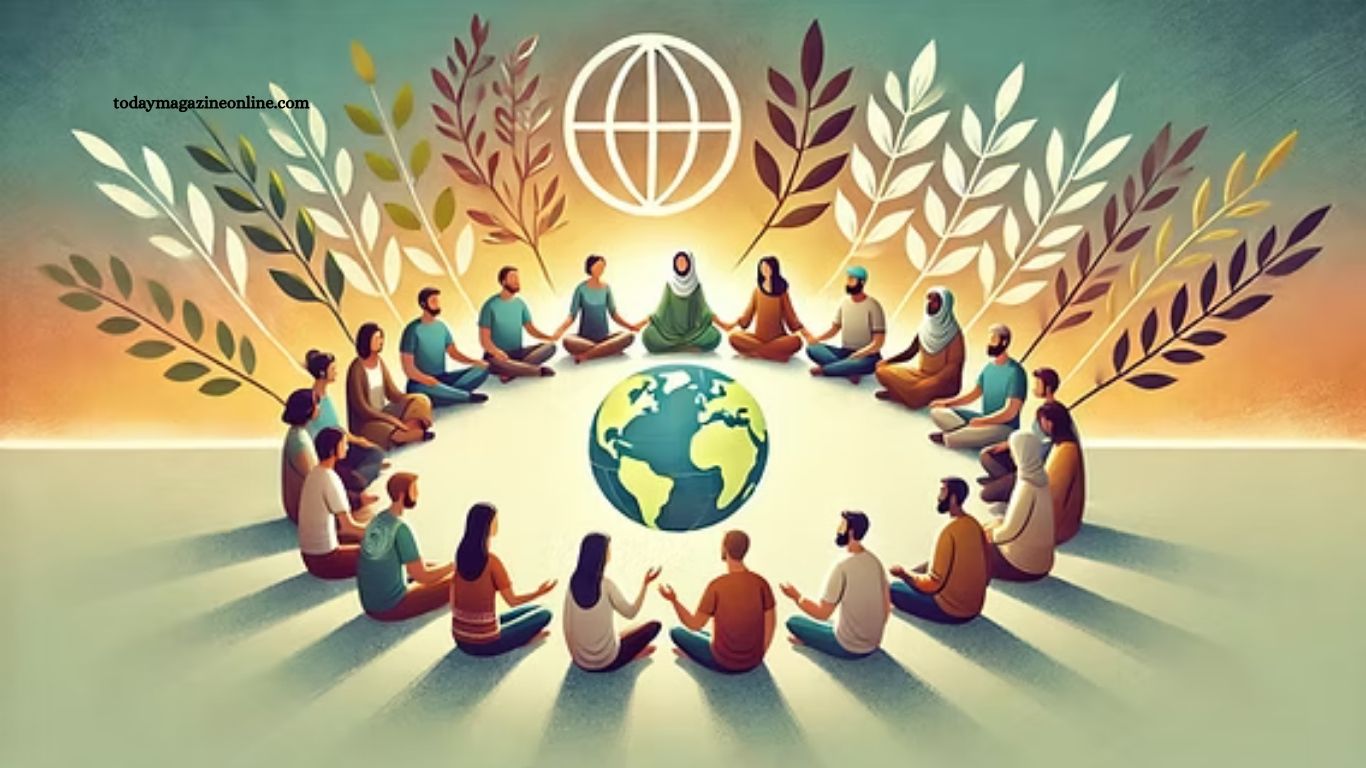
Politics influences nearly every part of modern life, from the economy and healthcare to education, national security, and individual rights. Understanding major political issues helps people evaluate policies, follow public debates, and make informed decisions.
Political discussions can become complicated because different countries face different challenges, while political parties often offer competing solutions. Learning the fundamentals makes these issues easier to understand and helps readers separate meaningful policy debates from misinformation and political rhetoric.
Read More: How Government Policies Affect Everyday Citizens
Economic Policy and Cost of Living
Economic policy remains one of the most important political issues. Governments make decisions about taxation, public spending, employment, trade, and business regulations, all of which can influence household finances.
Inflation and the rising cost of essential goods have become major concerns for many communities. Political leaders often debate how governments should respond while balancing economic growth, wages, public spending, and fiscal stability.
Understanding economic policy also means recognizing the relationship between government decisions and broader economic conditions. Interest rates, energy prices, global trade, supply chains, and consumer demand can all affect the economy.
Healthcare Access and Public Services
Healthcare policy affects access to medical services, treatment costs, insurance systems, and public health programs. Political debates often focus on how healthcare should be funded and who should have access to affordable care.
Some policymakers support greater government involvement in healthcare, while others emphasize private-sector competition and individual choice. Understanding these differences requires looking beyond political labels and examining how proposed policies could affect patients, healthcare workers, taxpayers, and providers.
Public services such as emergency care, sanitation, transportation, and social assistance also form an important part of political discussions.
Education and Education Reform
Education shapes economic opportunity and social development, making it another major political issue. Governments determine funding priorities, curriculum standards, school policies, teacher support, and access to higher education.
Political disagreements may involve public versus private education, student costs, school funding, standardized testing, technology in classrooms, and vocational training.
Education policy can have long-term effects because decisions made today may influence workforce skills and economic competitiveness for decades.
Climate Change and Environmental Policy
Climate change has become a significant political issue worldwide. Governments must balance environmental protection with energy needs, economic development, industrial activity, and consumer costs.
Political debates often involve renewable energy, fossil fuels, emissions reductions, electric transportation, environmental regulations, and climate adaptation.
Understanding environmental politics requires recognizing that climate policies can produce both opportunities and challenges. Clean-energy investment can create new industries, while rapid policy changes may create adjustment costs for workers and businesses connected to traditional energy sectors.
Immigration and Border Policy
Immigration policy involves questions surrounding borders, legal migration, asylum, citizenship, employment, and humanitarian responsibilities.
Political debates can become highly emotional, making it important to understand the individual policies being discussed. Governments may debate how many immigrants should be admitted, how asylum systems should operate, how borders should be managed, and how newcomers should integrate into society.
Immigration can also affect labor markets, demographics, public services, and economic growth, making it a complex issue rather than a single-policy question.
National Security and Foreign Policy
National security involves protecting a country from military threats, terrorism, cyberattacks, espionage, and other risks. Foreign policy determines how governments interact with allies, rivals, international organizations, and neighboring countries.
Modern security issues extend beyond traditional military conflicts. Cybersecurity, artificial intelligence, critical infrastructure, disinformation, and supply-chain security increasingly influence national strategies.
Understanding foreign policy requires considering both domestic priorities and international relationships. Decisions involving alliances, trade agreements, military cooperation, and diplomacy can have consequences far beyond national borders.
Democracy and Political Institutions
Democracy depends on functioning political institutions, elections, courts, legislatures, independent media, and public participation. Political debates often focus on election rules, representation, government accountability, judicial independence, and institutional checks and balances.
Citizens should understand how their political system works before evaluating political claims. Knowing which institution has authority over a particular issue can make political information easier to assess.
Strong democratic systems also depend on peaceful political competition and respect for lawful procedures.
Social Rights and Equality
Social rights remain central to political debates in many countries. Issues involving equal treatment, civil liberties, workplace rights, gender equality, religious freedom, and discrimination can influence legislation and public policy.
Different political groups may disagree about the role of government in protecting rights and addressing social inequalities. Understanding these debates requires examining specific laws and policies rather than relying solely on political slogans.
Technology, Privacy, and Artificial Intelligence
Technology has created a growing category of political issues. Governments are increasingly debating data privacy, online safety, artificial intelligence, cybersecurity, digital platforms, and automated decision-making.
Artificial intelligence raises questions about employment, copyright, misinformation, national security, and responsible technology development. Governments must consider how to encourage innovation while protecting citizens from potential harms.
Digital privacy has also become increasingly important as companies and governments collect large amounts of personal information.
Social Rights and Equality
Social rights remain central to political debates in many countries. Issues involving equal treatment, civil liberties, workplace rights, gender equality, religious freedom, and discrimination can influence legislation and public policy.
Different political groups may disagree about the role of government in protecting rights and addressing social inequalities. Understanding these debates requires examining specific laws and policies rather than relying solely on political slogans.
Technology, Privacy, and Artificial Intelligence
Technology has created a growing category of political issues. Governments are increasingly debating data privacy, online safety, artificial intelligence, cybersecurity, digital platforms, and automated decision-making.
Artificial intelligence raises questions about employment, copyright, misinformation, national security, and responsible technology development. Governments must consider how to encourage innovation while protecting citizens from potential harms. Digital privacy has also become increasingly important as companies and governments collect large amounts of personal information.
Government Spending and Public Debt
Government spending determines how public resources are allocated. Major areas include healthcare, education, infrastructure, defense, social programs, and public administration.
When spending exceeds government revenue for extended periods, public debt can increase. Political leaders often disagree about whether governments should reduce spending, increase taxes, stimulate economic activity, or maintain higher borrowing levels.
Understanding public debt requires looking at both the size of debt and the country’s economic capacity to manage it.
Why Understanding Political Issues Matters
Political issues rarely exist independently. Economic decisions can influence healthcare, education, immigration, and employment. Climate policies can affect energy prices and industrial development. Foreign policy can influence trade and national security.
For this reason, political awareness requires more than following headlines. Readers should compare different perspectives, examine evidence, understand policy details, and recognize the difference between facts, opinions, and political claims.
A well-informed citizen does not need to agree with every political position. The goal is to understand the arguments, consequences, and trade-offs behind major decisions.
How to Stay Politically Informed
Staying informed starts with using reliable sources and reading beyond headlines. Comparing reporting from multiple reputable outlets can provide a broader understanding of complex events.
It is also useful to examine original government documents, official statistics, legislation, and policy proposals when available. Social media can provide rapid updates, but viral posts may lack context or contain inaccurate information.
Most importantly, political awareness should involve critical thinking. Ask who made a claim, what evidence supports it, what information may be missing, and how different groups could be affected by the proposed policy.
Frequently Asked Questions
What are the most important political issues?
Major issues include the economy, healthcare, education, immigration, climate change, national security, and civil rights.
Why should people understand political issues?
Political knowledge helps people make informed decisions and understand how government policies affect daily life.
How does politics affect the economy?
Government decisions about taxes, spending, trade, and regulations can influence jobs, prices, investment, and economic growth.
Why is climate change a political issue?
Governments create policies involving emissions, energy, environmental protection, and climate adaptation.
How does immigration influence politics?
Immigration policies address borders, citizenship, asylum, employment, population growth, and integration.
How can people stay informed about politics?
Read reliable news sources, compare perspectives, check official information, and verify claims before accepting them.
Conclusion
Understanding key political issues helps people make better-informed decisions about their communities and countries. Economic policy, healthcare, education, climate change, immigration, national security, democracy, social rights, technology, and government spending all influence everyday life. Politics can be complex, but learning the basic principles behind major issues makes political debates easier to follow.
