

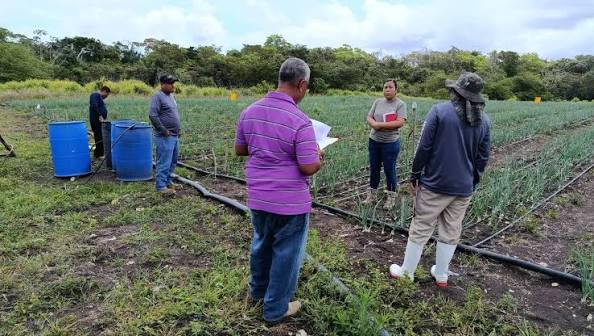
Since 1992, Jose M. Gracia Harvesting, Inc. has served as one of the prominent migrant labor contractors in the United States, supplying farmers throughout the eastern U.S., including North Carolina, Georgia, and Florida, with a legal agricultural workforce through the H-2A visa program. Led by president Jose Gracia and supported by several family members, the company has grown into a large-scale harvesting operation with a fleet exceeding 300 vehicles, including specialized transportation built to move labor-intensive crops such as tobacco, sweet potatoes, watermelons, strawberries, cantaloupes, and cucumbers between fields and storage sites. Every worker completes extensive seasonal training covering field sanitation requirements, tractor and machinery safety, heat stress prevention, workers’ rights, and emergency response procedures, and the company provides daily safety checklists as a reference for laborers. This ongoing commitment to worker health and safety directly informs the field sanitation standards outlined below.
Proper field sanitation is a critical responsibility in the farming industry. Field sanitation requirements are designed to reduce the risk of contamination, prevent the spread of illness, and promote a healthier work environment.
In addition to supporting worker well-being, effective sanitation practices can improve operational efficiency, strengthen food safety programs, and help farms comply with industry regulations.
Agricultural work is physically demanding, and employees often spend long hours outdoors in high temperatures. Easily accessible potable water helps prevent dehydration and heat-related illnesses while encouraging workers to stay properly hydrated throughout the day.
Workers should have access to stations equipped with clean water, soap, and single-use paper towels or hand-drying devices. Proper handwashing is especially important before eating, drinking, smoking, or handling harvested crops. It is also necessary after using restroom facilities or coming into contact with potentially contaminated materials. Good hand hygiene helps reduce the spread of bacteria, viruses, and other pathogens that could affect both workers and agricultural products.
Portable toilets or permanent restrooms should be located within a reasonable distance of work areas so employees can use them conveniently without disrupting productivity. Restrooms should be maintained in a sanitary condition through regular cleaning, servicing, and waste disposal.
Farms should establish clear procedures for collecting and disposing of trash, food waste, packaging materials, and other debris. Waste containers should be strategically placed throughout work areas and emptied regularly to prevent overflowing and discourage pests. Proper waste disposal helps maintain a clean work environment while reducing the risk of contamination and attracting insects or rodents.
Cleaning and sanitizing harvesting equipment, tools, and containers is equally important. Knives, baskets, bins, conveyor belts, and harvesting machinery can all become sources of contamination if not properly maintained. Equipment should be inspected regularly and cleaned according to established schedules using approved cleaning products. Damaged containers or equipment that cannot be effectively sanitized should be repaired or replaced to maintain food safety standards.
Irrigation water, produce washing water, and water used for cleaning equipment should come from safe sources and be monitored for quality when appropriate. Contaminated water can introduce harmful microorganisms into crops, increasing food safety risks. Farms often implement water testing programs to verify that water sources meet acceptable quality standards and are suitable for agricultural use.
Workers should avoid harvesting produce that has come into contact with animal waste, standing water, or other contamination sources. Damaged or spoiled produce should be separated from healthy crops to prevent cross-contamination during transportation and storage. Harvest containers should be clean and never used for carrying chemicals, fuel, or other hazardous materials.
Chemical storage and handling contribute to overall field sanitation as well. Fertilizers, pesticides, fuels, and cleaning chemicals should be stored separately from harvested crops and worker facilities. Clearly labeled storage areas, spill prevention measures, and proper employee training help minimize accidents and reduce contamination risks. Personal protective equipment should be available whenever workers handle agricultural chemicals.
Field sanitation also supports compliance with food safety programs and agricultural certifications. Many buyers, processors, and retailers expect farms to follow recognized sanitation standards as part of their supplier requirements. Keeping written sanitation procedures, inspection records, employee training documentation, and cleaning schedules demonstrates a farm’s commitment to producing safe, high-quality agricultural products.
The benefits of strong field sanitation practices extend throughout the entire farming operation. Clean working conditions reduce the spread of illness, improve employee morale, and create a safer workplace. Proper sanitation also helps preserve crop quality by minimizing contamination risks during harvesting and handling. This can reduce product losses, improve customer confidence, and strengthen a farm’s reputation within the agricultural marketplace.
About Jose M. Gracia Harvesting, Inc.
Established in 1992, Jose M. Gracia Harvesting, Inc. is one of the prominent migrant labor contractors in the United States, supplying farmers throughout the eastern U.S. with a legal workforce through the H-2A visa program. Led by president Jose Gracia and supported by several family members, the company maintains a fleet of more than 300 vehicles and specializes in labor-intensive crops including tobacco, sweet potatoes, watermelons, strawberries, cantaloupes, and cucumbers. It equips every laborer with thorough seasonal training in field sanitation, machinery safety, and emergency procedures.
