

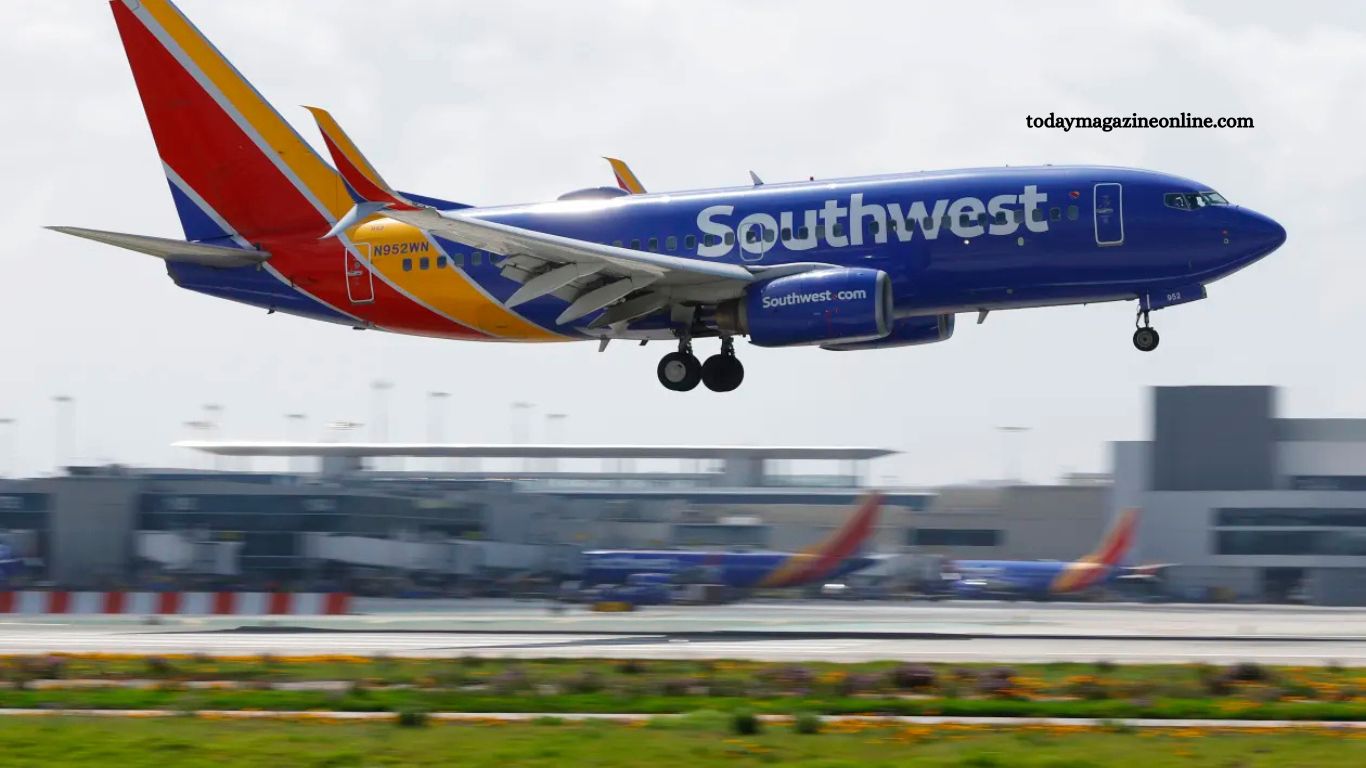
Southwest Airlines reported a 42% decline in profit for the first nine months of 2025 compared with the same period last year. Despite the drop, the airline’s stock has outperformed its U.S. peers, rising nearly 24% so far this year—more than any other major U.S. passenger carrier. In comparison, Delta Air Lines and United Airlines have seen stock gains of roughly 17% each.
This week, Southwest shares hit a 2½-year high, as analysts and investors place their bets on the airline’s planned transformation from a “one-size-fits-all” model to a more differentiated service strategy akin to its larger rivals.
Read More: The Big Wrinkle in the Multitrillion-Dollar AI Buildout
Transformation Driving Investor Optimism
“What’s helping Southwest’s stock is clearly the initiatives, not the demand environment, because if it were, you’d see it reflected in all the other stocks as well,” said Savanthi Syth, airline analyst at Raymond James.
Beginning January 27, Southwest will phase out its open-seating policy, introducing assigned seating across its all-Boeing 737 fleet. Premium seats with extra legroom will be available for a fee, with prices varying by route. For example, a Baltimore-to-Las Vegas flight in early February shows extra-legroom seats priced around $80 each way.
In October, Southwest projected that these changes—assigned seating and extra-legroom options—could contribute $1 billion in pre-tax earnings next year and $1.5 billion in 2027.
“Because the assigned seating and extra legroom provide clear value, results are expected to improve year over year,” CEO Bob Jordan told CNBC on December 10. “The bookings we’re seeing support the business case for these initiatives.”
Analysts Upgrade Outlook
Barclays recently upgraded Southwest’s stock, with transportation analyst Brandon Oglenski projecting adjusted earnings above $4 per share next year and surpassing $6 per share in 2027.
These moves follow other significant shifts at the airline, including ending two decades-old policies such as complimentary checked bags and introducing no-frills basic economy fares.
Challenges Affecting Profit
Southwest, like its peers, has faced headwinds this year. Early 2025 demand was dampened by tariffs and cost-cutting measures in Washington, and the recent government shutdown further pressured bookings, prompting the airline to revise its profit forecast downward.
The airline typically releases its full annual outlook alongside the previous year’s earnings report in late January. Investors will be watching closely to see how Southwest balances these new revenue strategies with ongoing market challenges.
Frequently Asked Questions
Why did Southwest Airlines’ profit fall 42% in 2025?
Profit declined due to a combination of weaker early-year demand, government-related economic pressures such as tariffs and cost-cutting, and disruptions from the recent government shutdown.
If profits are down, why is Southwest’s stock performing so well?
Investors are optimistic about Southwest’s strategic transformation, including the shift to assigned seating, premium legroom options, and new basic economy fares. These initiatives are expected to drive significant future earnings.
What changes is Southwest making to its seating policy?
Starting January 27, 2026, Southwest will eliminate open seating in favor of assigned seating across its Boeing 737 fleet. First-row seats with extra legroom will be available for a fee, offering customers more choice and comfort.
How much additional revenue could these changes generate?
Southwest forecasts that assigned seating and extra-legroom seats could contribute approximately $1 billion in pre-tax earnings in 2026 and $1.5 billion in 2027.
Has Southwest made other significant policy changes recently?
Yes. Southwest discontinued its policy of two free checked bags and introduced no-frills basic economy fares, aligning with practices of larger competitors.
What do analysts say about Southwest’s future earnings?
Barclays upgraded Southwest’s stock, projecting adjusted earnings above $4 per share in 2026 and over $6 per share by 2027, reflecting optimism around the airline’s strategic initiatives.
Conclusion
Despite a 42% drop in profits, Southwest Airlines’ stock has emerged as the top-performing U.S. carrier in 2025, fueled by investor confidence in its strategic transformation. With the shift to assigned seating, premium legroom options, and the introduction of basic economy fares, the airline is positioning itself for stronger revenue and earnings growth in the coming years.
