

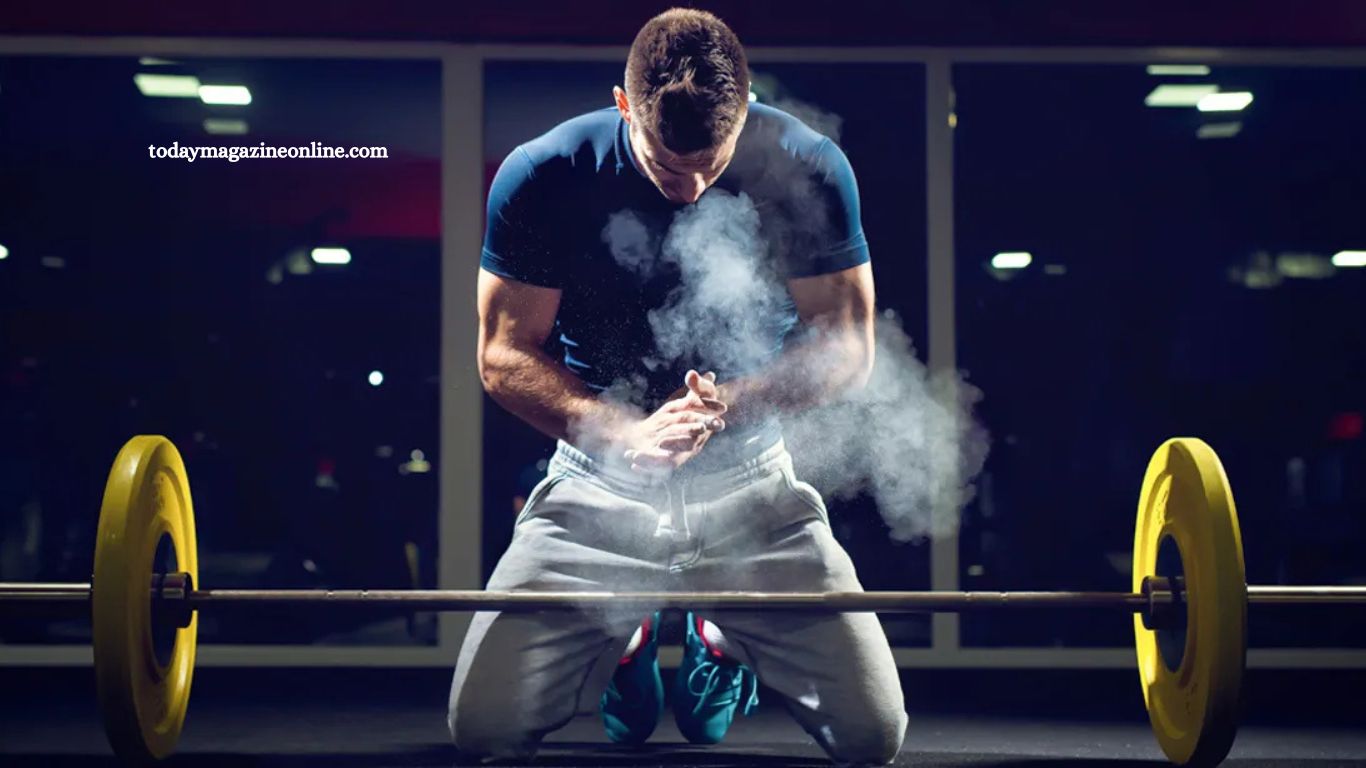
Elite athletes train with precision, discipline, and consistency. Their routines build strength, endurance, agility, and resilience. You can adapt these methods for personal fitness goals without professional-level intensity.
This guide explores powerful workout strategies inspired by world-class competitors. Each routine focuses on performance, functional strength, and sustainable progress.
Read More: The Rise of Esports: Is Competitive Gaming the Future?
Explosive Power Training – Inspired by Cristiano Ronaldo
Cristiano Ronaldo’s training emphasizes speed, agility, and lower-body power. Football demands rapid acceleration, vertical jump strengquickd ck directional change.
Key Elements:
- Plyometric jumps
- Sprint intervals
- Single-leg strength exercises
- Core stabilization drills
Sample Routine:
- Box jumps – 4 sets × 8 reps
- Hill sprints – 6 rounds × 30 seconds
- Bulgarian split squats – 3 sets × 10 reps per leg
- Plank variations – 3 sets × 60 seconds
Benefits:
Improves fast-twitch muscle activation, coordination, calorie burn, and athletic performance.
Total-Body Strength Conditioning – Inspired by Serena Williams
Tennis requires power, endurance, and rotational strength. Serena’s conditioning blends resistance training with functional movement.
Core Focus:
- Compound lifts
- Medicine ball throws
- Resistance band drills
- Core rotation exercises
Sample Routine:
- Deadlifts – 4 sets × 6 reps
- Medicine ball slams – 3 sets × 12 reps
- Resistance band lateral walks – 3 sets × 15 steps
- Russian twists – 3 sets × 20 reps
Benefits:
Builds lean muscle, enhances joint stability, supports injury prevention.
High-Intensity Interval Training (HIIT) – Inspired by LeBron James
Basketball demands endurance, explosive bursts, and stamina under pressure. LeBron’s conditioning includes high-intensity circuits with minimal rest.
Structure:
- Short intense effort
- Brief recovery
- Multiple rounds
Sample Circuit:
- Burpees – 40 seconds
- Kettlebell swings – 40 seconds
- Push-ups – 40 seconds
- Rest – 30 seconds
Repeat 4–5 rounds.
Benefits:
Boosts cardiovascular capacity, metabolic rate, fatand loss efficiency.
Endurance & Aerobic Mastery – Inspired by Michael Phelps
Swimming legend Michael Phelps built unmatched endurance through volume training, breath contrand muscularular stamina development.
Training Components:
- Steady-state cardio
- Interval swimming or cycling
- Breath-control exercises
- Mobility work
Sample Endurance Session:
- 20–30 minute moderate cardio
- 10 × 100m fast intervals
- Controlled breathing drills
- Dynamic stretching
Benefits:
Enhances lung capacity, heart efficienand muscularular endurance.
Mobility & Recovery Protocol
Professional athletes prioritize recovery equal to training. Mobility prevents injury, improves flexibility, supand ports long-term progress.
Essential Practices:
- Foam rolling
- Dynamic stretching
- Yoga flow sessions
- Active recovery days
Recovery strengthens the performance foundation. Overtraining reduces gains. Strategic rest accelerates results.
Weekly Athlete-Inspired Training Plan
- Day 1: Explosive lower-body power
- Day 2: Upper-body strength conditioning
- Day 3: HIIT cardio circuit
- Day 4: Active recovery mobility
- Day 5: Total-body strength
- Day 6: Endurance session
- Day 7: Rest or light stretching
Balanced structure promotes muscle growth, cardiovascular health, and functional strength.
Nutrition Principles Supporting Athlete-Level Fitness
Professional routines require proper fueling.
- Lean protein sources
- Complex carbohydrates
- Healthy fats
- Hydration priority
- Post-workout recovery meals
Nutrition amplifies training efficiency, energy levels, musand cle repair.
Frequently Asked Questions
Are athlete-inspired fitness routines suitable for beginners?
Yes. Modify intensity, reduce volume, and focus on proper form before increasing difficulty.
How many days per week should I train?
Four to six days weekly provides balanced strength, endurance, and recovery.
Do I need professional equipment?
No. Bodyweight exercises, resistance bands, and basic weights deliver excellent results.
How long before visible results appear?
Consistent training and proper nutrition show noticeable changes within four to eight weeks.
Can these routines help with fat loss?
Yes. High-intensity training and strength conditioning increase metabolism and support fat reduction.
Is recovery really important?
Absolutely. Recovery prevents injury, improves performance, and supports muscle growth.
Conclusion
Athlete-inspired fitness routines deliver structured, performance-driven results. Explosive power training, strength conditioning, HIIT workouts, and endurance sessions create balanced physical development. Consistency, progressive overload, and smart recovery determine long-term success.
