

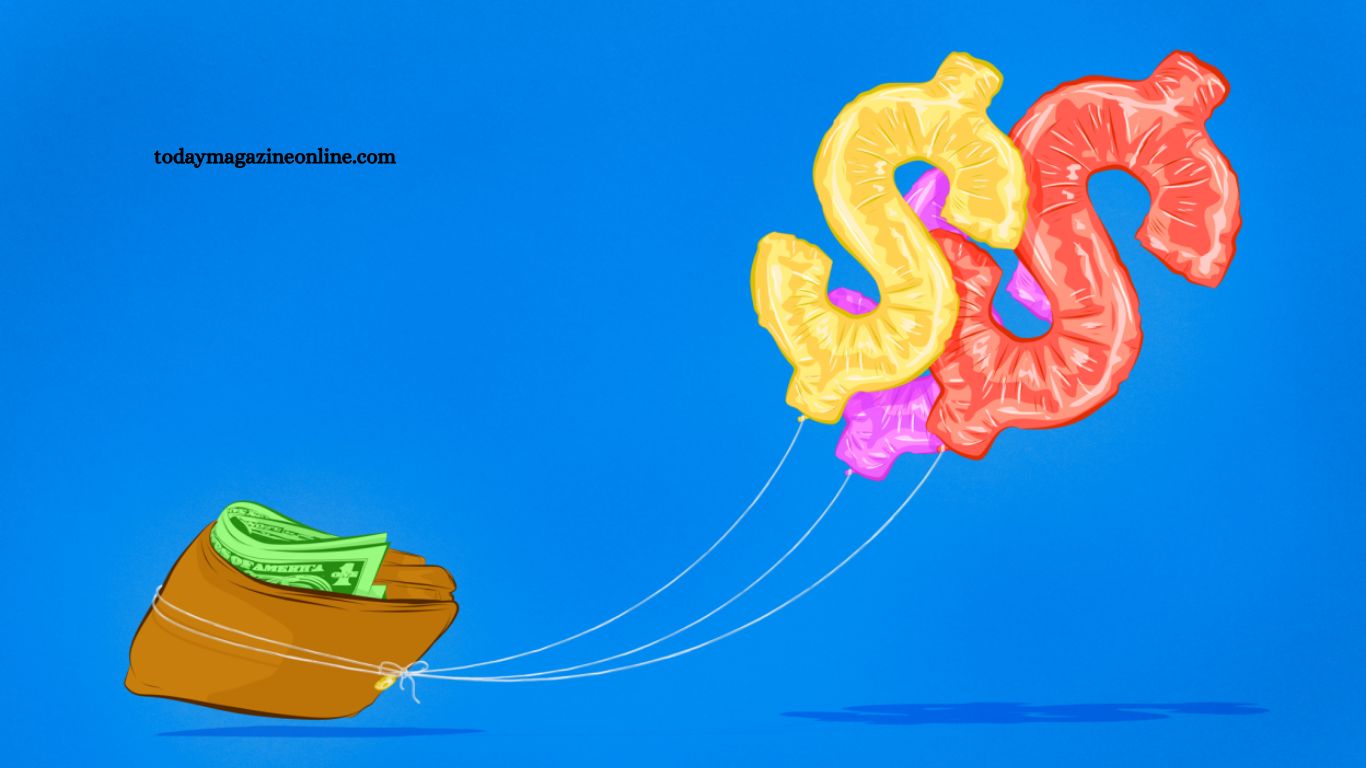
Inflation represents a continuous rise in prices of goods and services over time, directly impacting purchasing power and household budgets. As inflation increases, everyday expenses such as food, housing, transportation, and utilities become more costly, reducing the value of money held by individuals.
Understanding inflation helps people make informed financial decisions, manage savings effectively, and plan investments wisely. It plays a crucial role in personal finance, shaping economic stability and influencing how individuals protect and grow their wealth in changing economic conditions.
Read More: How to Create a Monthly Budget That Works
What Is Inflation?
Inflation means a general increase in prices across goods and services over time. Each currency unit buys fewer items compared to previous periods. Central banks measure inflation using price indices, tracking baskets of essential products.
Main drivers include:
- Higher production costs
- Increased demand for goods
- Supply chain disruptions
- Expansion of the money supply
Even small inflation rates accumulate over years, affecting long-term wealth.
How Inflation Affects Purchasing Power
Purchasing power describes how much money can buy. Inflation reduces this power.
Example:
- Today, 100 euros buys groceries
- Next year, the same goods will cost 105 euros
- Same income covers fewer items
Wages may increase, but often more slowly than price growth. The gap creates financial pressure on households.
Impact on Savings
Savings lose real value during inflation. Money stored without growth earns less in real terms.
Key effects:
- Reduced value of bank deposits
- Lower real returns on low-interest accounts
- Reduced long-term wealth accumulation
Inflation turns idle money into declining assets unless invested or protected.
Effect on Investments
Inflation influences all investment types.
- Stocks: may rise with the company’s pricing power
- Bonds: fixed returns lose value
- Real estate: often increases with inflation
- Commodities: usually gain value during inflation periods
Balanced investment strategies help preserve wealth against inflation pressure.
Impact on Everyday Expenses
Households feel inflation through essential spending:
- Food prices increase
- Energy costs rise
- Rent adjustments occur
- Transport expenses grow
Budget planning becomes essential during inflation cycles.
Wages and Inflation Gap
Income growth does not always match the rate of inflation. When wage growth lags, real income decreases. This situation reduces lifestyle quality even if the salary remains unchanged. Employers adjust wages periodically, but a timing mismatch creates financial strain.
How to Protect Your Money
Practical strategies reduce inflation impact:
- Diversify investments
- Build emergency savings with growth instruments
- Reduce unnecessary expenses
- Increase financial literacy
- Explore inflation-protected assets
Active money management improves long-term stability.
Frequently Asked Questions
What is inflation?
Inflation is the rise in prices of goods and services over time, reducing the value of money.
Why does inflation happen?
It happens due to higher demand, increased production costs, or changes in the money supply.
How does inflation affect daily life?
It increases the costs of food, rent, transport, and utilities, reducing purchasing power.
Does inflation affect savings?
Yes, inflation reduces the real value of savings if interest rates stay low.
How can inflation be controlled?
Central banks control it using interest rates and monetary policy tools.
Can investments protect against inflation?
Yes, assets like stocks, real estate, and commodities often help protect value.
Conclusion
Inflation remains a constant economic factor affecting purchasing power, savings, and lifestyle. Awareness allows better financial planning. Smart investment choices and disciplined budgeting help reduce negative effects. Understanding inflation strengthens financial resilience and supports long-term wealth protection.
