

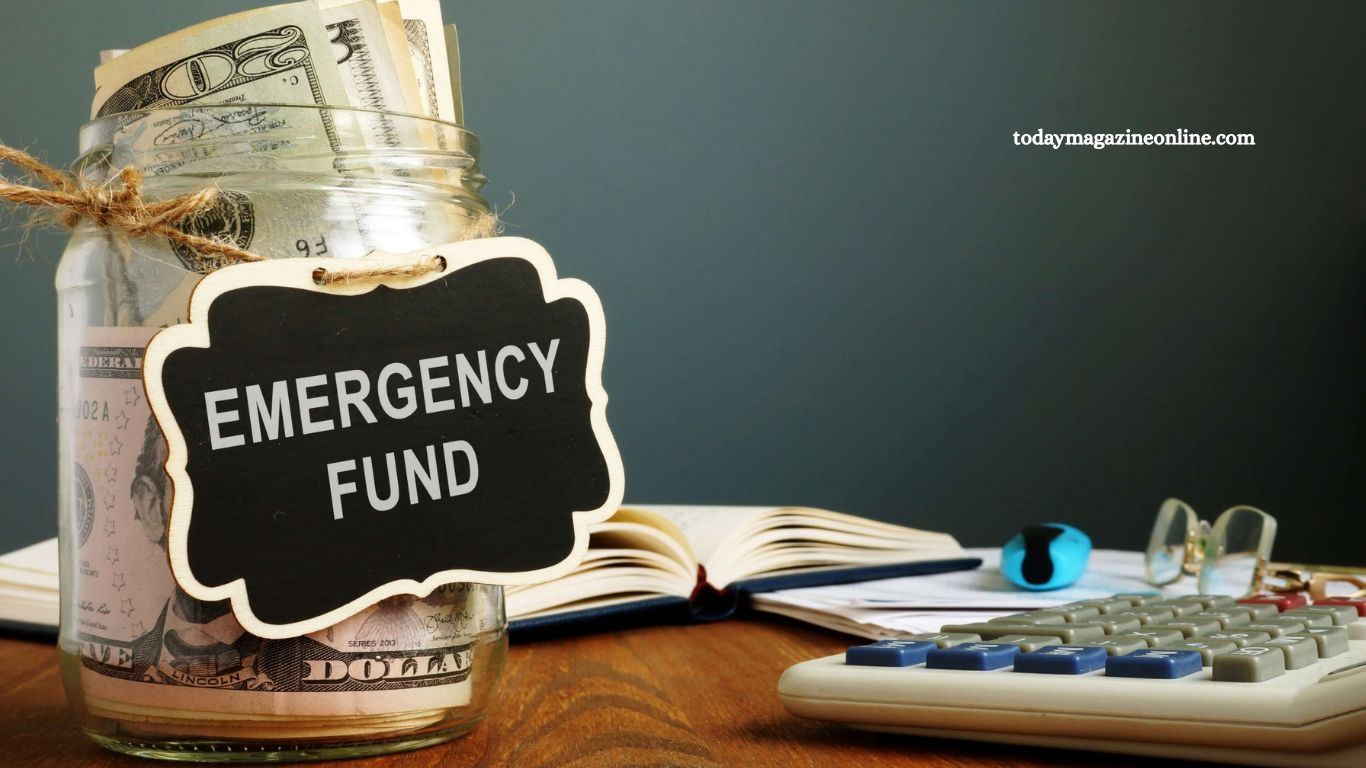
Financial stability has become more uncertain in today’s world. Rising living costs, unexpected job changes, medical emergencies, and global economic shifts make personal finance planning essential. Among all financial strategies, emergency fund planning stands as one of the most critical foundations for long-term financial security.
An emergency fund is not just savings. It is financial protection that helps individuals and families stay stable during unexpected situations without relying on debt. In modern financial conditions, building this fund is more important than ever.
Read More: Passive Income Ideas That Actually Work
What Is an Emergency Fund?
An emergency fund is a dedicated pool of money set aside for unexpected expenses. It is not used for daily spending or planned purchases. Instead, it serves as a financial backup during crises such as:
- Job loss or reduced income
- Medical emergencies
- Urgent home or car repairs
- Unexpected travel needs
- Sudden family responsibilities
The main purpose is simple: financial survival without borrowing under pressure.
Why Emergency Fund Planning Matters More Today
Economic Uncertainty Is Increasing
Global markets are unstable. Inflation rates fluctuate, and job security is no longer guaranteed in many industries.
Even well-established companies go through restructuring. Without an emergency fund, a short-term disruption can quickly turn into long-term financial damage.
Rising Cost of Living
Basic expenses such as rent, food, healthcare, and transportation continue to increase. When costs rise faster than income, savings become harder to maintain.
An emergency fund ensures that essential needs remain covered even when income is interrupted or reduced.
Medical Expenses Are Unpredictable
Health issues often appear without warning. Even with insurance, out-of-pocket costs can be high. Emergency funds help manage these expenses without creating debt stress or financial instability.
Job Market Volatility
Freelance work, contract jobs, and remote employment have increased flexibility but also reduced job security in some sectors.
A sudden job loss can leave individuals without income for weeks or months. An emergency fund provides a financial buffer during job transitions.
Debt Avoidance
Without savings, many people rely on credit cards or loans during emergencies. High-interest debt creates long-term financial pressure. Emergency funds reduce dependency on borrowing and protect credit health.
How Much Should You Save?
Financial experts often recommend saving 3 to 6 months of living expenses. However, the ideal amount depends on personal circumstances:
- Stable job: 3 months may be enough
- Self-employed or freelance income: 6–9 months recommended
- Single-income household: higher buffer required
- High-risk industry: a larger fund is safer
The goal is to cover essential expenses such as rent, utilities, groceries, transportation, and insurance.
Steps to Build an Emergency Fund
Set a Clear Target
Calculate monthly essential expenses. Multiply by 3 or 6, depending on your risk level. This becomes your savings goal.
Start Small but Stay Consistent
Even small contributions matter. Saving a fixed amount every week or month builds momentum over time.
Open a Separate Savings Account
Keep emergency funds separate from daily spending accounts. This reduces the temptation to use the money for non-emergencies.
Automate Savings
Set automatic transfers from your main account to your emergency fund. Automation ensures consistency without effort.
Cut Unnecessary Expenses
Review monthly spending. Reduce non-essential costs like unused subscriptions, frequent dining out, or impulse purchases. Redirect savings into your emergency fund.
Increase Income Sources
Side income, freelance work, or part-time jobs can speed up fund creation. Extra income can be fully directed toward savings.
Common Mistakes to Avoid
Using the Fund for Non-Emergencies
Vacations, shopping, or planned expenses should not come from emergency savings.
Stopping Contributions After Small Progress
Consistency is key. Even after reaching a milestone, continue growing the fund.
Keeping It in Risky Investments
Emergency funds should remain liquid and safe. Avoid stocks or high-risk assets for this purpose.
Benefits of Having an Emergency Fund
- Financial peace of mind
- Reduced stress during crises
- Protection from debt traps
- Better financial decision-making
- Increased independence and confidence
An emergency fund does not just protect money. It protects lifestyle stability
Frequently Asked Questions
What is an emergency fund?
An emergency fund is savings kept aside for unexpected expenses like medical issues, job loss, or urgent repairs.
How much money should be in an emergency fund?
It is recommended to save 3 to 6 months of essential living expenses.
Where should I keep my emergency fund?
Keep it in a separate savings account that is safe and easily accessible.
Can I invest my emergency fund?
No, it should stay in low-risk, liquid form, not in stocks or high-risk investments.
Why is an emergency fund important?
It provides financial security and helps avoid debt during emergencies.
How can I start building an emergency fund?
Start small, save regularly, reduce unnecessary expenses, and automate savings.
Conclusion
Emergency fund planning plays a vital role in financial stability in uncertain times. It protects against unexpected events such as job loss, medical emergencies, or sudden expenses. With rising living costs and unpredictable economic conditions, having a dedicated savings buffer is no longer optional but essential.
