

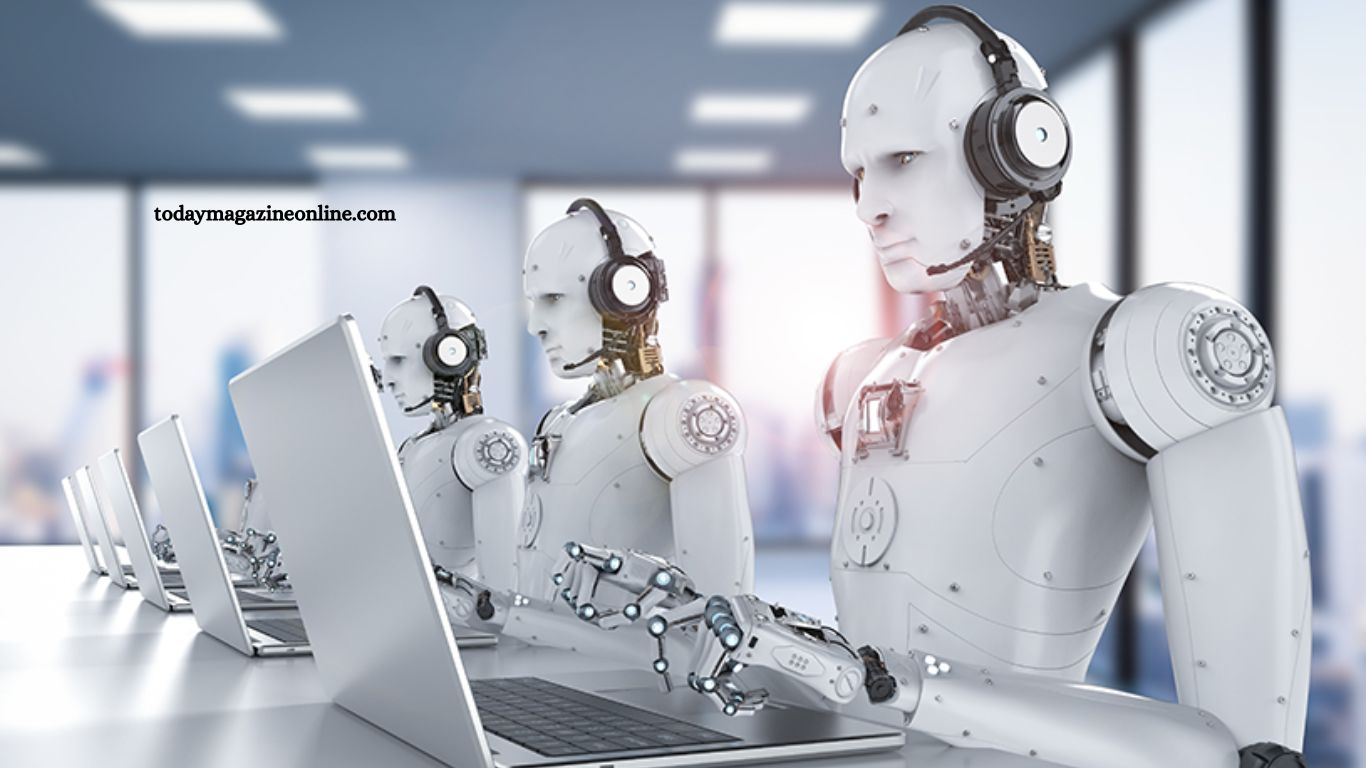
Automation and robotics are transforming modern workplaces at a remarkable pace. From manufacturing floors to hospitals and warehouses, intelligent machines now handle tasks that once required extensive human effort. This shift is not eliminating work; it is redefining how work is performed, what skills employers value, and how businesses compete.
Organizations that adopt automation and robotics gain faster operations, higher accuracy, improved safety, and stronger productivity. Employees, meanwhile, are moving toward roles focused on creativity, analysis, and decision-making. Understanding this transformation is essential for business leaders, professionals, and students preparing for the future of work.
Read More: Software Development Trends Every Developer Should Know
What Are Automation and Robotics?
Automation refers to technology that performs tasks with minimal human intervention. Software systems, artificial intelligence, and smart machinery can automate repetitive processes across industries.
Robotics involves programmable machines designed to complete physical tasks such as assembly, packaging, inspection, and transportation.
When automation and robotics work together, businesses create highly efficient systems capable of handling both digital and physical operations.
Why Businesses Are Investing in Automation and Robotics
Companies are adopting automated systems to solve several critical challenges:
- Rising labor costs
- Increasing demand for speed
- Quality control requirements
- Workplace safety concerns
- Global competition
- Labor shortages
Automation enables organizations to scale efficiently while maintaining consistent performance.
Major Industries Using Automation and Robotics
Manufacturing
Manufacturing remains the largest adopter of robotics. Automated arms weld, paint, assemble, and inspect products with precision.
Benefits include:
- Reduced production time
- Lower defect rates
- Improved worker safety
- Higher output capacity
Automotive, electronics, and consumer goods sectors rely heavily on industrial robots.
Warehousing and Logistics
E-commerce growth has accelerated automation in distribution centers. Robots move products, sort packages, and support inventory management.
Leading companies such as Amazon and DHL use robotic systems to speed order fulfillment and reduce operational costs.
Healthcare
Hospitals use robotics for surgery, diagnostics, and medication dispensing. Automated systems improve accuracy and allow medical staff to focus on patient care.
Applications include:
- Robotic-assisted surgery
- Laboratory automation
- Pharmacy systems
- Patient transport
Retail
Retailers use automation for inventory tracking, checkout, and personalized recommendations. Smart systems reduce wait times and improve customer experience.
Agriculture
Agricultural robots plant seeds, monitor crops, and harvest produce. Farmers benefit from improved efficiency and reduced waste.
Construction
Robotic equipment assists with bricklaying, surveying, and 3D printing structures, helping projects finish faster with greater precision.
How Automation Changes Job Roles
Automation reshapes jobs rather than simply replacing them. Machines increasingly handle repetitive and physically demanding tasks, while workers shift into more strategic positions.
New responsibilities include:
- Operating robotic systems
- Monitoring automated workflows
- Data analysis
- Maintenance and troubleshooting
- Process improvement
Human skills such as communication, leadership, and problem-solving remain highly valuable.
Jobs Most Likely to Be Automated
Roles involving predictable and repetitive tasks face the highest risk of automation.
Examples include:
- Data entry clerks
- Assembly line workers
- Basic bookkeeping staff
- Cashiers
- Routine warehouse roles
Automation handles these tasks more quickly and with fewer errors.
New Jobs Created by Automation and Robotics
Technological adoption also generates entirely new career opportunities.
Growing roles include:
- Robotics engineers
- Automation technicians
- AI specialists
- Data analysts
- Cybersecurity professionals
- Human-machine interaction designers
These positions often offer strong salaries and long-term demand.
Benefits of Automation and Robotics in Workplaces
Increased Productivity
Machines operate continuously and complete tasks at high speed, allowing organizations to produce more in less time.
Improved Accuracy
Automated systems minimize human error, which is especially important in healthcare, manufacturing, and finance.
Enhanced Safety
Robots perform hazardous tasks such as handling chemicals, lifting heavy materials, and working in extreme environments.
Lower Operational Costs
Although initial investment can be significant, long-term savings through efficiency and reduced waste are substantial.
Better Employee Satisfaction
Workers spend less time on monotonous tasks and more time on meaningful, skill-based activities.
Challenges of Workplace Automation
Despite its advantages, automation introduces several concerns.
Job Displacement
Some workers may lose their positions if organizations do not provide retraining opportunities.
High Upfront Costs
Purchasing robotic systems and integrating software requires significant capital.
Skills Gap
Many industries need workers with technical expertise that remains in short supply.
Cybersecurity Risks
Connected machines and automated systems can become targets for cyberattacks.
Ethical Concerns
Questions about privacy, fairness, and workforce impact continue to shape technology adoption.
Human and Robot Collaboration
The most effective workplaces combine human intelligence with machine efficiency.
Robots excel at:
- Repetitive tasks
- Precision work
- Heavy lifting
- Continuous operation
Humans excel at:
- Creativity
- Emotional understanding
- Critical thinking
- Strategic decisions
This collaborative model, often called cobotics, creates safer and more productive environments.
Role of Artificial Intelligence in Robotics
Artificial intelligence makes robots more adaptable and capable. AI-powered systems can analyze data, recognize patterns, and make decisions in real time.
Examples include:
- Predictive maintenance
- Visual quality inspection
- Autonomous navigation
- Demand forecasting
Together, AI and robotics are driving a new era of smart workplaces.
Skills Needed for the Future Workplace
Professionals who want to stay competitive should develop both technical and human-centered abilities.
Important skills include:
- Digital literacy
- Data interpretation
- Programming fundamentals
- Robotics operation
- Adaptability
- Communication
- Problem-solving
Continuous learning will become a core career requirement.
Impact on Small and Medium Businesses
Automation is no longer limited to large corporations. Affordable software, cloud tools, and collaborative robots allow smaller businesses to improve efficiency and remain competitive.
Popular solutions include:
- Customer service chatbots
- Automated accounting
- Inventory software
- Collaborative robots
Small businesses can achieve substantial productivity gains with targeted investments.
Global Economic Impact
Automation and robotics are influencing productivity, wages, and economic growth worldwide. Countries such as Japan, Germany, South Korea, and the United States lead in robotics adoption and industrial innovation.
Nations investing in education and digital infrastructure are better positioned to benefit from this transformation.
Future Trends in Workplace Automation
Several trends will continue shaping workplaces:
- Collaborative robots working alongside employees
- Autonomous mobile robots in logistics
- AI-driven decision support
- Hyperautomation across business processes
- Remote monitoring and predictive analytics
These technologies will become more accessible and more powerful over the next decade.
How Businesses Can Prepare
Organizations can maximize benefits by following a structured approach:
- Identify repetitive, high-volume tasks.
- Evaluate automation opportunities.
- Invest in employee training.
- Strengthen cybersecurity.
- Monitor performance and optimize processes.
Successful adoption depends on balancing technology investment with workforce development.
How Employees Can Prepare
Workers can remain valuable by embracing lifelong learning and adapting to technological change.
Recommended steps:
- Learn digital tools
- Build analytical skills
- Gain technical certifications
- Improve communication abilities
- Stay informed about industry trends
Adaptability will be one of the most important career advantages.
Frequently Asked Questions
What is workplace automation?
Workplace automation uses software and machines to perform tasks with minimal human involvement.
How do robots help employees?
Robots handle repetitive and dangerous tasks, allowing employees to focus on higher-value work.
Will automation replace all jobs?
No. Automation changes job roles and creates new career opportunities.
Which industries use robotics the most?
Manufacturing, healthcare, logistics, retail, and agriculture use robotics extensively.
What skills are important in automated workplaces?
Digital literacy, problem-solving, data analysis, and adaptability are essential skills.
Are automation and robotics beneficial for small businesses?
Yes. Affordable automation tools help small businesses improve efficiency and reduce costs.
Conclusion
Automation and robotics are reshaping workplaces across every major industry. Businesses gain efficiency, precision, and safety, while employees transition toward more strategic and creative roles. Although challenges such as job displacement and skills gaps require attention, the long-term impact is overwhelmingly transformative.
