

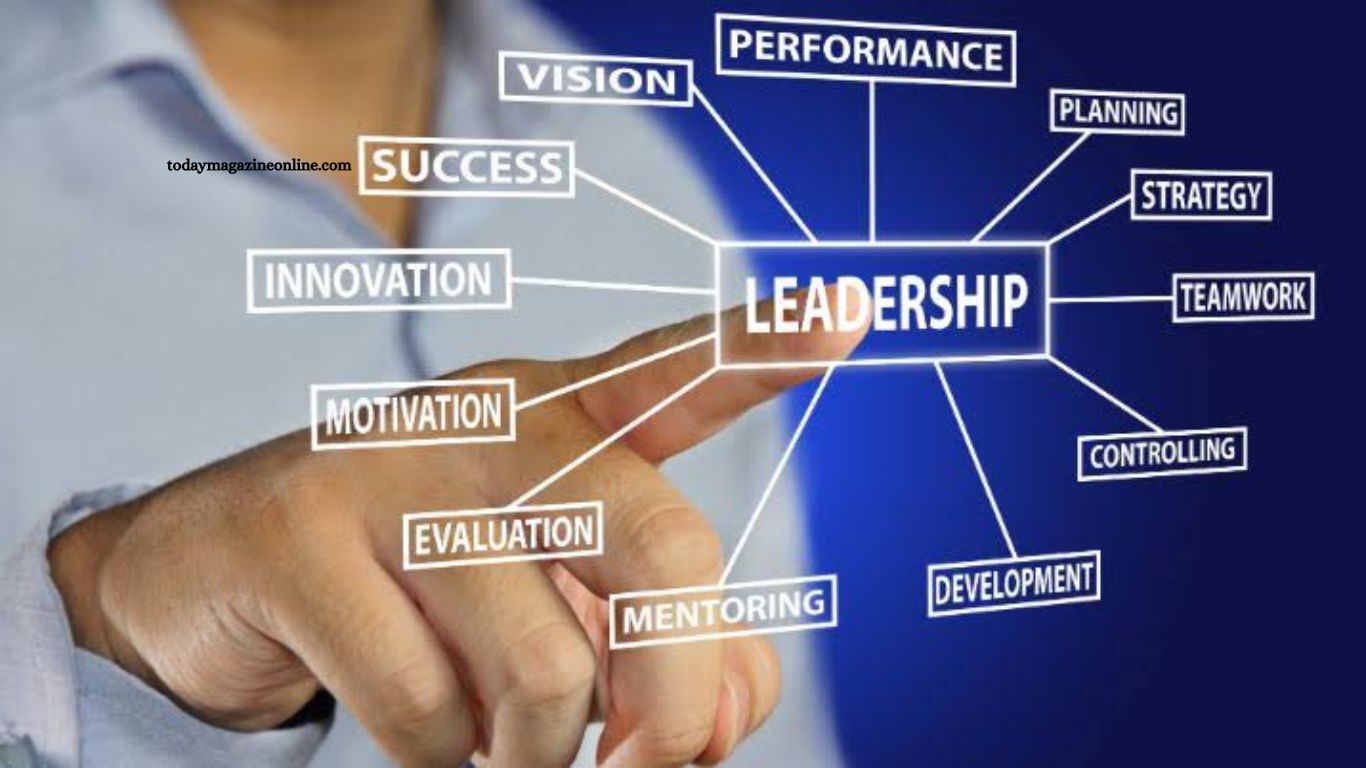
Strong leadership shapes every successful business. Markets change quickly, customer expectations continue rising, and competition grows every day. Organizations that thrive usually have leaders who inspire confidence, make smart decisions, and create a culture focused on growth. Leadership goes beyond authority or position. It reflects character, vision, communication, and the ability to guide people toward meaningful goals.
Business success depends on leaders who understand both people and performance. A skilled leader builds trust, encourages innovation, and helps teams overcome challenges with confidence. Every decision, strategy, and interaction contributes to long-term organizational growth.
Read More: Best Business Ideas with High Profit Potential
Leadership Creates Business Growth
Leadership influences every aspect of business performance. Clear direction helps employees understand objectives and remain focused on shared goals. Strong leaders establish realistic expectations while encouraging accountability across every level of an organization.
Growth becomes sustainable when leaders develop positive workplace cultures. Employees who feel valued often demonstrate higher motivation, stronger commitment, and better productivity. A supportive environment encourages creativity, collaboration, and continuous improvement.
Successful businesses rarely achieve lasting results through products alone. Effective leadership transforms ideas into action and creates conditions where talent can flourish.
Clear Vision Drives Better Decisions
Every successful business begins with a clear vision. Leaders who define long-term objectives provide direction during uncertain situations. Instead of reacting emotionally, they evaluate information carefully before making important decisions.
Strategic thinking helps businesses identify opportunities while reducing unnecessary risks. Leaders who balance short-term priorities with future goals create stronger foundations for sustainable growth.
Confidence combined with careful planning strengthens decision-making. Teams naturally perform better when leadership communicates purpose with clarity and consistency.
Communication Strengthens Every Team
Communication remains one of the most valuable leadership skills in modern business. Clear communication reduces misunderstandings, improves collaboration, and increases workplace efficiency.
Successful leaders listen carefully before responding. They encourage open discussions, welcome constructive feedback, and create environments where employees feel comfortable sharing ideas. Honest conversations strengthen relationships and improve problem-solving across departments.
Transparent communication also builds trust. Employees appreciate leaders who explain decisions, recognize achievements, and address challenges directly.
Emotional Intelligence Improves Leadership
Technical knowledge supports business operations, but emotional intelligence strengthens leadership effectiveness. Leaders who understand emotions communicate more effectively, resolve conflicts professionally, and build stronger workplace relationships.
Empathy allows leaders to recognize employee concerns while maintaining productivity. Respectful interactions increase engagement and encourage loyalty throughout the organization.
Self-awareness also plays an essential role. Leaders who manage personal emotions remain calm during difficult situations, helping teams maintain confidence even under pressure.
Adaptability Supports Long-Term Success
Business environments continue evolving because of technology, customer behavior, and economic changes. Adaptable leaders respond quickly without losing focus on organizational goals.
Flexibility encourages innovation and continuous learning. Instead of resisting change, successful leaders identify opportunities for improvement and guide teams through transitions with confidence.
Organizations led by adaptable professionals often recover faster from setbacks while remaining competitive within changing markets.
Problem-Solving Builds Organizational Strength
Challenges appear in every business journey. Effective leaders approach problems with logical thinking instead of panic. Careful analysis, creative solutions, and informed decision-making reduce obstacles before they become major issues.
Problem-solving also requires collaboration. Different perspectives often produce stronger solutions than individual opinions. Leaders who encourage teamwork create environments where innovation becomes part of everyday business operations.
Every solved challenge strengthens organizational resilience and prepares businesses for future opportunities.
Accountability Inspires Trust
Trust develops when leaders accept responsibility for decisions and actions. Accountability demonstrates integrity while encouraging similar behavior throughout the organization.
Employees respect leaders who acknowledge mistakes, learn from experience, and remain committed to improvement. Honest leadership creates stronger workplace relationships and reinforces ethical business practices.
Organizations built upon accountability often experience higher employee satisfaction, stronger customer confidence, and improved long-term performance.
Continuous Learning Enhances Leadership
Great leaders never stop learning. Business trends, emerging technologies, and evolving customer expectations require ongoing professional development.
Reading industry research, attending conferences, participating in leadership training, and learning from experienced professionals expand knowledge and improve decision-making abilities. Continuous learning also encourages innovation by introducing fresh perspectives and modern business strategies.
Leaders who embrace learning inspire employees to develop new skills and pursue personal growth, creating stronger organizations prepared for future success.
Building High-Performance Teams
Business achievements rarely result from individual effort alone. High-performing teams develop through effective leadership, mutual respect, and shared commitment.
Successful leaders recognize individual strengths and provide opportunities for professional development. Recognition, encouragement, and constructive guidance increase confidence while improving overall performance.
Collaboration becomes stronger when employees understand their value within the organization. Positive workplace cultures encourage creativity, responsibility, and consistent results.
Integrity Defines Exceptional Leadership
Integrity remains one of the strongest qualities of respected business leaders. Ethical decisions build credibility among employees, customers, investors, and business partners.
Leaders who remain honest during both success and adversity establish lasting reputations based on reliability and professionalism. Ethical leadership reduces conflicts while strengthening organizational culture.
Businesses guided by integrity often develop loyal customers, committed employees, and stronger long-term relationships within competitive industries.
Frequently Asked Questions
Why are leadership skills important for business success?
Leadership skills improve decision-making, team performance, and overall business growth.
What is the most important leadership skill?
Clear communication is one of the most important skills because it builds trust and teamwork.
How does emotional intelligence help leaders?
It helps leaders understand people, manage conflicts, and create positive workplace relationships.
Can leadership skills be developed?
Yes, leadership skills improve through learning, experience, and consistent practice.
How does leadership affect employee performance?
Strong leadership increases motivation, engagement, and productivity across teams.
What role does integrity play in leadership?
Integrity builds trust, strengthens credibility, and supports long-term business success.
Conclusion
Essential leadership skills provide the foundation for lasting business success. Vision, communication, emotional intelligence, adaptability, accountability, integrity, and continuous learning allow leaders to guide organizations through changing markets with confidence. Strong leadership inspires people, improves decision-making, and creates environments where innovation and collaboration thrive.
