

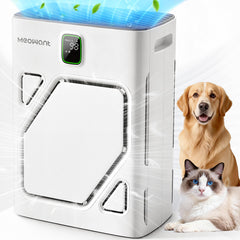
Living with a pet when you are sensitive to dander is a daily negotiation. You love the animal, your eyes water by mid-afternoon, and no amount of vacuuming seems to change the pattern. The frustration is real, and it often leads people to believe that nothing short of rehoming will help. In many cases, though, the problem is not the pet but the airborne load that builds up between cleanings.
A purifier is not a cure for allergies, and no honest product claims to be. What it can do is reduce the concentration of dander, dust, and odor in the air of the rooms where you spend the most time, which for many households means fewer symptoms and better sleep. The trick is integrating it into a routine that already includes cleaning, ventilation, and some practical habits around where the pet sleeps.
Understanding What Triggers the Reaction
Pet allergies are usually a response to proteins in dander, saliva, and urine rather than to fur itself. Those proteins cling to skin flakes and microscopic particles, which is why the allergy persists even after the visible hair is gone. Once airborne, dander settles slowly and re-lifts with the slightest disturbance, so a room can feel clean while the air still holds enough to trigger symptoms hours later.
Dander Is Smaller Than You Think
The particles that matter are small enough to remain suspended for long periods and to travel far from the animal. This is why a purifier placed in the bedroom can help even if the cat spends most of its day in the living room: the allergens arrive as airborne passengers, not just as visible fur. It also explains why cleaning the floor helps, then stops helping an hour later — the settled layer gets disturbed and re-enters the air.
The Litter Box Connection
Cat litter produces fine dust every time it is poured or scooped, and that dust can carry both clay particles and allergens. For allergy-prone owners, the litter area is often the strongest trigger in the home, sometimes more than the animal's coat. A purifier near but not against the litter area can intercept this dust as it rises, which is one reason placement should be planned around the box rather than the sofa.
Where a Purifier Helps and Where It Does Not
Setting realistic expectations is the difference between satisfaction and disappointment. A purifier excels at reducing airborne particulate concentration in a defined space, and it can meaningfully lower odor when equipped with adequate carbon. It does not remove allergens from surfaces, bedding, or upholstery, and it cannot compensate for a litter box that goes days without cleaning. Think of it as one lever among several.
The lever works best in the bedroom. If you can reduce allergen concentration in the room where you sleep, you spend many hours in cleaner air, and many allergy sufferers report better sleep and fewer morning symptoms. A second unit in the main living area handles the daytime exposure, especially if the pet is allowed on furniture. In smaller homes, one well-placed unit in the primary room may be enough to notice a difference.
What to Look for in an Allergy-Focused Unit
The filter stack should be substantial, with true particle media and a well-sealed housing so air cannot bypass the filter. A washable pre-filter reduces the dust that reaches the fine stage and keeps airflow strong between replacements. For odor and litter-related gases, generous activated carbon extends the benefit beyond particle removal. Quiet low-speed operation matters more than maximum airflow, because a purifier you cannot tolerate overnight will be switched off.
Building a Weekly Routine Around the Machine
A purifier is only as good as the habits around it. Without a cleaning routine, filters load quickly and the room's baseline allergen level stays high, so the machine fights a rising tide. The most effective routines are short and repeatable rather than exhaustive, because consistency matters more than intensity.
Cleaning That Complements Filtration
Vacuum with a sealed machine and a particle filter, and do it at least twice a week in rooms where the pet spends time. Wash pet bedding regularly, since fabric traps dander and releases it with every movement. For hard surfaces, damp dusting captures particles instead of launching them into the air, and a quick pass over the purifier's grille keeps its intake clear. These steps lower the source load so the purifier can work effectively within its capacity.
Ventilation and Air Movement
Opening windows dilutes indoor allergen concentration, but only when outdoor pollen and pollution levels are low. A simple routine is to air out the home briefly during low-pollen hours, then close up and let the purifier take over. Ceiling fans and air conditioning circulate air and can help or hurt depending on filter quality; a dirty HVAC filter spreads dust rather than removing it, so check it at the same time you check the purifier.
Practical Habits That Reduce Exposure
Small behavioral changes often deliver more relief than a bigger appliance. Keeping the pet out of the bedroom entirely is the single most effective step for many allergy sufferers, though it requires patience and consistency. If that is not realistic, designate a sleeping spot for the pet away from your pillow and wash that bedding frequently. Grooming your pet outdoors, or having a non-allergic household member do it, reduces the dander released into the home.
Handwashing after contact helps more than people expect, and a dedicated set of clothes that pets do not sit on can cut the amount of dander that follows you around. Keep the litter area tidy with daily scooping, and consider low-dust litter to reduce the trigger cloud that forms whenever the box is disturbed. None of these individual steps is dramatic, but together they lower the ambient load enough for a purifier to make a visible difference.
Choosing the Right Room First
If a budget or space limit means you can only run one purifier, the bedroom is almost always the right choice. You spend a third of your life there, the door stays closed more than any other room, and a closed door traps the cleaner air the unit produces. Move the pet's sleeping spot away from the head of the bed, seal the gap under the door if you can, and let the purifier run at a low speed through the night. This single change often produces the clearest improvement in how you feel each morning.
Monitoring Your Own Response
Track symptoms over a few weeks rather than judging after a single night. Note morning congestion, eye irritation, and how often you wake up during the night, and compare those observations before and after adding a purifier and tightening the cleaning routine. This personal baseline is more useful than any lab rating, because your sensitivities and your home are unique. Adjust placement and filter replacement timing based on what you observe.
If you are selecting equipment, look for a set of models that let you match coverage to the rooms where you spend time. The pet air purifier lineup from Meowant is built with pet-specific dust and odor in mind, which suits households trying to control dander without giving up their animals. Pair the right unit with a consistent routine, and the improvement becomes something you can actually measure in how you feel.
What to Expect in the First Weeks
Air quality changes faster than symptoms do. Dust on dark surfaces may drop within a few days, but the allergic response tracks total exposure over weeks, not hours. Keep the routine steady through the first month before drawing conclusions, and avoid changing several variables at once — if the bedding wash, the new filters, and a second purifier all arrive in the same week, you will never know which one helped. Add one change at a time and give it a fair trial.
It also helps to plan for seasonal spikes. Pollen seasons and dry winter air both raise indoor particulate levels, and pet shedding often follows the same calendar. Bumping replacement frequency and cleaning cadence before those periods is easier than catching up during a bad week. A purifier with a visible filter-change reminder makes this planning simpler, because you can see the load accumulating instead of guessing.
A Manageable Path to Everyday Relief
Pet allergies do not have to mean choosing between your animal and your comfort. A purifier reduces airborne dander, litter dust, and odor in the rooms where you spend the most time, and it works far better when combined with regular cleaning, sensible ventilation, and a few boundaries around the bedroom. The gains are gradual rather than instant, but they compound with consistency.
Start with the bedroom, keep the filters and pre-filters clean, and watch how your symptoms change over a few weeks. With realistic expectations and a routine that actually gets done, cleaner air becomes a normal part of living comfortably with your pet.
