

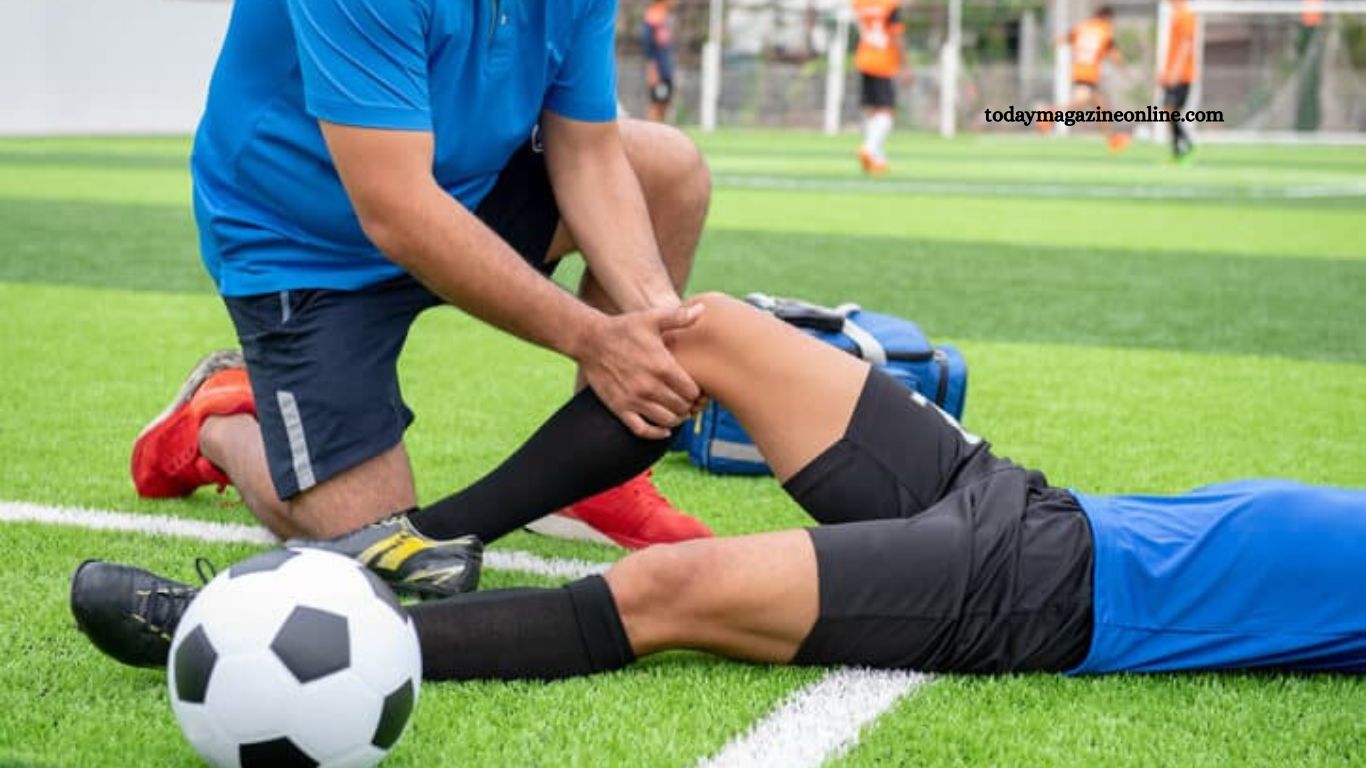
Sports injuries remain a major challenge for athletes of all levels, from amateurs to professionals. Strains, sprains, fractures, and overuse injuries can halt training, affect performance, and extend recovery time. Understanding how injuries occur and implementing effective prevention strategies is essential for maintaining peak performance and long-term health.
Proper warm-ups, strength training, correct technique, and appropriate gear play crucial roles in reducing risk. Equally important are hydration, nutrition, and listening to your body to prevent overtraining. This guide outlines practical, actionable tips every athlete should know to stay safe, healthy, and performing at their best.
Read More: Champions League 2026: Teams to Watch This Season
Common Types of Sports Injuries
- Sprains and Strains: Ligament and muscle injuries occur frequently in sports involving running, jumping, or sudden directional changes.
- Fractures: High-impact collisions or falls can lead to broken bones, requiring medical attention and rehabilitation.
- Tendonitis: Overuse of specific muscle groups causes inflammation of tendons, commonly seen in runners, swimmers, and tennis players.
- Concussions: Contact sports carry risk of head injuries. Immediate recognition and proper care prevent long-term damage.
Key Prevention Tips
Proper Warm-Up and Cool-Down
Warming up prepares muscles for activity, improves circulation, and increases flexibility. Dynamic stretching before exercise reduces strain risk. Cooling down post-activity helps muscles recover, minimizing stiffness and soreness.
Strength Training and Conditioning
Strong muscles support joints, absorb shock, and reduce injury risk. Incorporate resistance exercises targeting the core, legs, and upper body. Conditioning improves endurance, balance, and coordination.
Use Correct Technique
Incorrect form during training or competition increases injury likelihood. Coaches and trainers should provide guidance on proper posture, movement patterns, and equipment use.
Wear Appropriate Gear
Protective gear, including helmets, pads, and footwear, prevents injuries in high-risk sports. Shoes should fit well, provide cushioning, and suit the specific sport.
Listen to Your Body
Ignoring pain or fatigue can worsen injuries. Rest, ice, compression, and elevation (RICE) help manage minor injuries. Athletes should seek professional evaluation for persistent pain or discomfort.
Hydration and Nutrition
Adequate hydration maintains muscle function and reduces cramps. Balanced nutrition fuels performance and supports tissue repair. Include lean proteins, complex carbohydrates, healthy fats, and vitamins for optimal recovery.
Schedule Regular Check-Ups
Routine medical assessments identify early signs of overuse injuries or musculoskeletal imbalances. Preventive care ensures long-term performance and health.
Frequently Asked Questions
What are the most common sports injuries?
Sprains, strains, fractures, tendonitis, and concussions are the most frequent sports injuries.
How can athletes prevent injuries?
Warm up, stretch, maintain strength and conditioning, use proper technique, and wear suitable protective gear.
Does nutrition affect injury risk?
Yes, proper hydration and a balanced diet support muscle function, recovery, and injury prevention.
When should I see a doctor for a sports injury?
Seek medical attention for persistent pain, swelling, or any injury affecting mobility or performance.
Can overtraining cause injuries?
Yes, excessive training without rest increases the risk of overuse injuries like tendonitis and stress fractures.
Is proper footwear important in injury prevention?
Absolutely, well-fitted shoes that match the sport reduce impact, improve stability, and protect joints.
Conclusion
Sports injuries are preventable with the right combination of preparation, technique, and care. Athletes who follow structured training, prioritize recovery, and use protective equipment minimize risks. Applying these strategies supports peak performance while safeguarding long-term health.
