

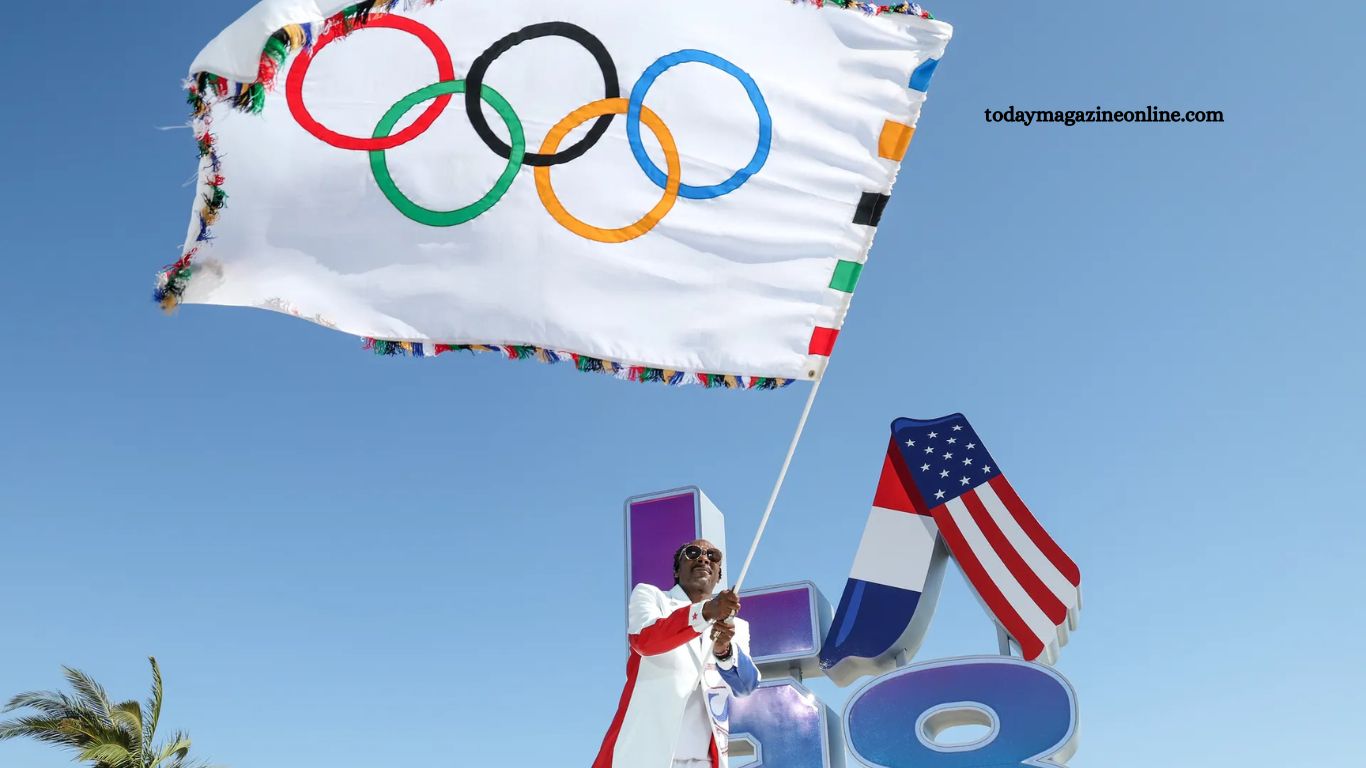
Global anticipation builds as the world looks toward the 2028 Summer Olympics in Los Angeles. Preparations accelerate across continents. National committees refine strategies. Athletes intensify training cycles. Coaches analyze performance data with precision.
Olympic Games 2028 preparation shapes into a high-stakes race where early contenders emerge across track, swimming, gymnastics, basketball, football, and more. This in-depth analysis explores leading nations, rising stars, strategic advantages, and competitive outlook.
Read More: Sports Injuries: Prevention Tips Every Athlete Should Know
Host Nation Advantage: United States Outlook
Hosting the Olympic Games traditionally delivers a competitive edge. Familiar climate. Local crowd support. Reduced travel fatigue. Established training facilities.
United States enters 2028 with dominant depth across multiple disciplines:
- Track & Field: Development programs fueled by the NCAA system sustain an elite pipeline.
- Swimming: Post-2024 Summer Olympics transition introduces next-generation swimmers aiming medal podium.
- Basketball: NBA talent pool ensures continued supremacy in men’s and women’s divisions.
- Gymnastics: Strong junior circuit rebuilding momentum after transitional cycles.
Early projections place the United States among the top medal table contenders.
China’s Structured Performance Model
China remains a formidable force through its centralized athlete development system. Strategic focus includes:
- Diving precision dominance
- Table tennis continuity
- Weightlifting strength base
- Expanding athletics program
Long-term Olympic preparation emphasizes youth scouting, biomechanics research, and recovery science. China’s medal consistency positions the nation as a prime challenger in Los Angeles 2028.
Great Britain’s Data-Driven Strategy
United Kingdom continues applying high-performance funding model refined since London 2012. Medal-heavy disciplines include:
- Track cycling
- Rowing
- Athletics middle-distance
- Swimming depth
UK Sport’s investment model prioritizes measurable return on funding allocation. Olympic Games 2028 preparation integrates AI-driven analytics, altitude training cycles, and nutrition optimization.
Emerging European Contenders
France
Following hosting duties at the 2024 Summer Olympics, France retains momentum. Infrastructure legacy programs fuel youth progression in judo, fencing, handball, and athletics.
Germany
Germany strengthens rowing, equestrian, canoe sprint, and cycling disciplines through scientific coaching frameworks.
Italy
Italy builds competitive squads in swimming, athletics, sprint events, fencing, and shooting. European depth adds unpredictability to the medal race.
Rising Asian Powerhouses
Japan
Japan continues to capitalize on Tokyo’s legacy investments. Focus areas include:
- Gymnastics artistry
- Wrestling dominance
- Skateboarding innovation
- Swimming redevelopment
South Korea
South Korea emphasizes archery excellence, fencing precision, taekwondo heritage, and shooting accuracy. Asian contenders combine technical mastery with disciplined preparation cycles.
Australia’s Aquatic Strength
Australia traditionally thrives in swimming, rowing, sailing, and cycling. High-performance institutes across states collaborate under a unified Olympic strategy.
Sports science integration, heat adaptation planning for the Los Angeles climate, and youth squad promotion elevate Australian medal probability.
Track & Field Early Favorites
Athletics remains the centerpiece of the Olympic Games 2028. Nations investing heavily in sprint biomechanics, endurance altitude camps, and relay chemistry include:
- United States
- Jamaica
- Great Britain
- Kenya
- Ethiopia
Performance analytics suggest a generational shift approaching peak maturity by the 2028 cycle.
Team Sports Outlook
Basketball
United States retains a depth advantage. However, global competition rises through European leagues and international player development pipelines.
Football (Soccer)
Brazil, France, Spain, Argentina, and emerging African programs strengthen youth academies targeting Olympic eligibility criteria.
Rugby Sevens
New Zealand, Fiji, Australia, and France prepare specialized Olympic squads emphasizing speed conditioning.
Technological Edge in Olympic Games 2028 Preparation
Modern Olympic preparation extends beyond physical conditioning:
- Wearable biometric monitoring
- AI-assisted tactical simulations
- Recovery cryotherapy systems
- Nutritional genomics
- Mental resilience coaching
Countries integrating technology earliest secure marginal gains, translating into medal separation.
Youth Development & Talent Identification
Successful Olympic campaigns originate years before qualification events. Key elements:
- Grassroots academies
- National scouting networks
- International junior competitions
- Structured funding pipelines
Early contenders in 2028 often trace back to junior championship podium finishes between 2022 and 2026.
Psychological Preparation & High-Pressure Performance
Los Angeles 2028 environment guarantees a global media spotlight. Psychological resilience training grows central within Olympic Games preparation frameworks. Visualization, pressure simulation tournaments, and leadership coaching enhance final-stage execution.
Climate & Environmental Adaptation
Los Angeles climate presents warm summer conditions. Nations plan:
- Heat acclimatization camps
- Hydration optimization protocols
- Recovery interval calibration
Preparation specificity influences the outcome of endurance-heavy events.
Medal Table Projection Trends
While definitive rankings remain speculative, analytical indicators highlight probable top-tier nations:
- United States
- China
- Great Britain
- Australia
- Japan
- France
Emerging shifts may arise from breakthrough athletes nearing performance peaks in the 2028 window.
Frequently Asked Questions
Where will the 2028 Olympic Games be held?
The 2028 Summer Olympics will take place in Los Angeles, United States.
Which country is the early favorite for top medal count?
United States leads early projections due to its host advantage and depth across multiple sports.
Which nations challenge the United States’ dominance?
China, the United Kingdom, Australia, and Japan rank among the strongest contenders.
What sports receive major focus for 2028 preparation?
Track & field, swimming, gymnastics, basketball, cycling, rowing, and team sports receive high investment globally.
How does the nation’s advantage impact performance?
Familiar climate, crowd support, reduced travel fatigue, and established facilities improve medal probability.
When do qualification events begin?
Most qualification tournaments start between 2026 and early 2028, depending on the sport federation’s schedules.
Conclusion
Olympic Games 2028 preparation reflects long-term vision, elite performance systems, scientific advancement, and strategic investment. With Los Angeles hosting a global competition, intensity increases across every major sporting nation.
