

Sports rivalries create more than memorable matches. They bring nations, cities, clubs, athletes, and generations together through competition filled with passion, pressure, pride, and history. Some rivalries become so powerful that their influence extends far beyond stadiums, shaping sporting culture, inspiring future athletes, and creating moments remembered for decades.
Greatest sports rivalries often develop through repeated competition between evenly matched opponents. Championship battles, political tension, regional pride, contrasting personalities, and historic victories can transform ordinary contests into legendary encounters. From football and cricket to tennis, boxing, basketball, and Formula 1, certain rivalries have permanently changed how fans experience sport.
Read More: How Sports Improve Physical and Mental Health
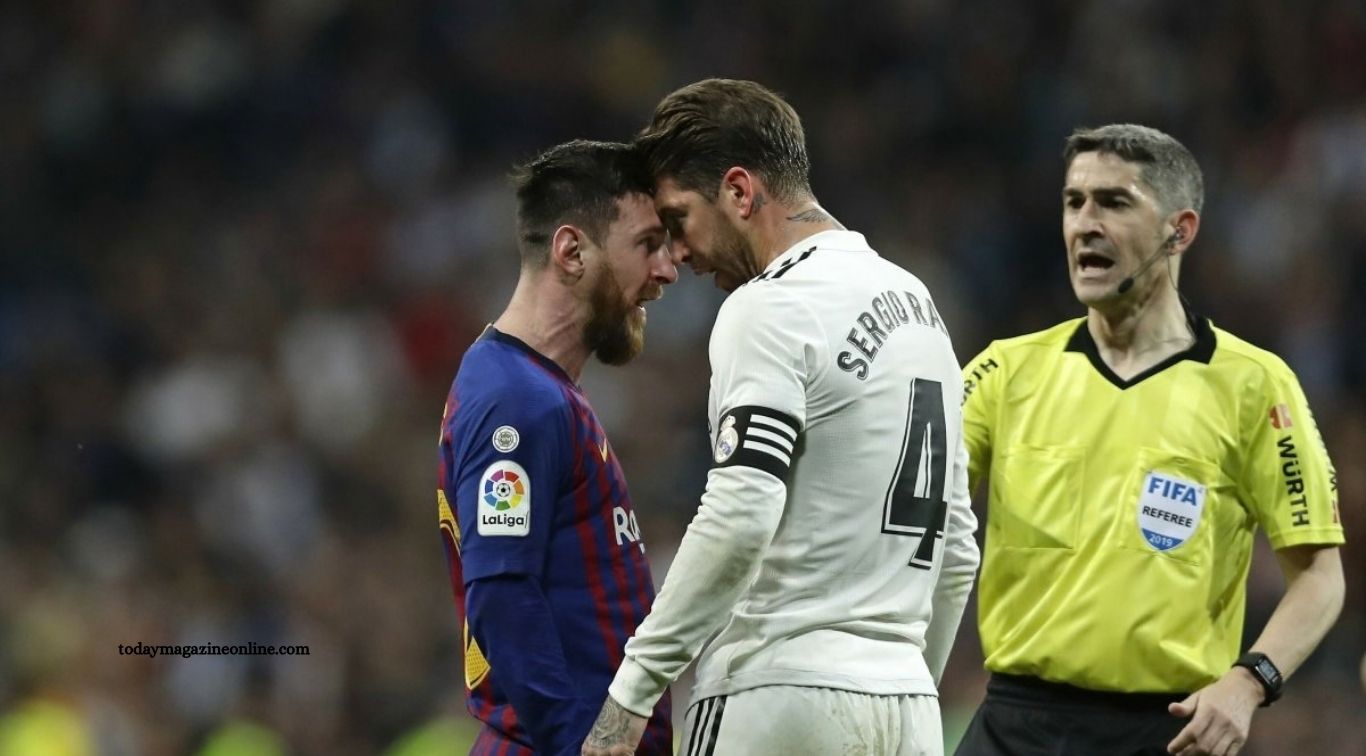
Barcelona vs Real Madrid
Barcelona and Real Madrid share one of football’s most famous rivalries. Their meetings, commonly known as El Clásico, attract enormous worldwide attention and feature two clubs with long histories of success. Competition between both clubs extends beyond football trophies. Regional identity, cultural differences, political history, star players, and championship races have added greater significance to their encounters.
Players such as Lionel Messi, Cristiano Ronaldo, Ronaldinho, Sergio Ramos, Xavi, Andrés Iniesta, and Karim Benzema contributed unforgettable performances during different eras. El Clásico helped transform Spanish football into a global entertainment product. Millions of fans across different continents began following La Liga partly because of intense Barcelona-Real Madrid battles.
India vs Pakistan Cricket Rivalry
Few sporting events generate emotion comparable to an India-Pakistan cricket match. Their rivalry combines sporting competition with decades of shared history and intense national interest. Matches between both teams regularly attract massive television and digital audiences. World Cups, Champions Trophy tournaments, Asia Cup competitions, and historic bilateral series have produced dramatic moments.
Legendary players including Sachin Tendulkar, Wasim Akram, Virat Kohli, Shahid Afridi, Shoaib Akhtar, MS Dhoni, and Babar Azam have all experienced pressure surrounding this fixture. Because bilateral cricket has often been limited, tournament encounters carry even greater importance. Every meeting creates anticipation across South Asia and among cricket fans worldwide. This rivalry helped cricket become one of sports media’s biggest global attractions.
Muhammad Ali vs Joe Frazier
Muhammad Ali and Joe Frazier created one of boxing history’s most intense rivalries. Their contrasting personalities, fighting styles, and public images turned three heavyweight contests into legendary sporting events. Their first fight, known as the Fight of the Century, took place in 1971. Both fighters entered the contest undefeated, creating extraordinary public interest.
Frazier won their first meeting, while Ali later claimed victories in their second and third fights. Their final encounter, the Thrilla in Manila, became famous for extreme physical punishment, endurance, courage, and determination. Ali-Frazier changed heavyweight boxing by showing how personal conflict, elite competition, storytelling, and athletic greatness could combine into worldwide sporting drama.
Roger Federer vs Rafael Nadal
Roger Federer and Rafael Nadal produced one of tennis history’s most respected rivalries. Federer became known for elegant movement, precise serving, effortless-looking technique, and attacking tennis. Nadal built his reputation through extraordinary physical intensity, powerful topspin, defensive strength, and relentless determination. Their contrasting styles created fascinating matches across different surfaces.
Wimbledon 2008 remains among their most famous encounters. Nadal defeated Federer after an extraordinary five-set battle that became one of tennis history’s most celebrated finals. Unlike many heated sporting rivalries, Federer and Nadal also demonstrated mutual respect. Their competition helped increase tennis popularity worldwide while inspiring younger players.
Ayrton Senna vs Alain Prost
Formula 1 history features many rivalries, but Ayrton Senna and Alain Prost created something particularly intense. Both drivers represented contrasting approaches to racing. Senna became famous for raw speed, aggressive qualifying performances, and fearless driving. Prost earned recognition for strategic intelligence, calculated racing, and consistency.
Their rivalry became especially dramatic while both competed for McLaren. Championship-deciding incidents at Suzuka in 1989 and 1990 remain major moments in Formula 1 history. Senna-Prost competition increased worldwide attention around Formula 1 and demonstrated how teammate rivalry could become just as intense as competition between separate teams.
Boston Celtics vs Los Angeles Lakers
Basketball history cannot be discussed without mentioning the Boston Celtics and Los Angeles Lakers. Both franchises built championship traditions through generations of star players. Their rivalry became particularly famous during the 1980s through competition between Larry Bird and Magic Johnson.
Their contrasting styles and personalities helped transform NBA basketball into mainstream entertainment. Boston represented physical defense, disciplined team play, and traditional basketball culture. Los Angeles became associated with fast-paced offense, celebrity culture, and the famous Showtime Lakers era. Later championship meetings renewed their rivalry, demonstrating how historic competition can survive across different generations.
Argentina vs Brazil Football Rivalry
Brazil and Argentina remain two giants of international football. Both nations have produced legendary players, World Cup champions, unforgettable matches, and passionate supporters. Pelé, Diego Maradona, Lionel Messi, Ronaldo Nazário, Ronaldinho, Neymar, Gabriel Batistuta, and many other stars contributed to their football traditions.
Matches between Argentina and Brazil often carry greater emotional importance than ordinary international fixtures. Copa América tournaments, World Cup qualification campaigns, and friendly encounters regularly create huge regional interest. Their rivalry helped define South American football while influencing global playing styles, talent development, and fan culture.
Manchester United vs Liverpool
Manchester United and Liverpool represent two of England’s most historically successful football clubs. Their rivalry originates partly from competition between Liverpool and Manchester as major industrial cities. Football later became another powerful expression of that regional competition.
League titles, European trophies, famous managers, star players, and dramatic matches strengthened the rivalry. Supporters often measure success not only through trophies but also through performances against their historic opponent. The rivalry played an important role in making English football globally popular.
Björn Borg vs John McEnroe
Björn Borg and John McEnroe produced one of tennis history’s most fascinating personality clashes. Borg appeared calm, controlled, and emotionally reserved. McEnroe became famous for expressive behavior, aggressive competitiveness, and frequent disputes with officials. Their contrasting personalities created compelling tennis.
The 1980 Wimbledon final became their defining contest. Borg eventually won after an unforgettable fourth-set tiebreak followed by a dramatic final set. Their rivalry attracted new audiences and demonstrated how personality differences could make individual sports more entertaining.
New York Yankees vs Boston Red Sox
Baseball’s New York Yankees and Boston Red Sox rivalry has lasted for generations. The rivalry became particularly famous following Babe Ruth’s move from Boston to New York in 1919. Yankees’ success during subsequent decades contributed to stories surrounding the so-called “Curse of the Bambino.”
Boston eventually ended its long championship drought in 2004 after completing an extraordinary comeback against New York during the American League Championship Series. The rivalry remains a major part of Major League Baseball culture and demonstrates how history can keep sporting competition alive for more than a century.
Australia vs England Ashes Rivalry
The Ashes represents one of cricket’s oldest international rivalries. Competition began during the late nineteenth century and became deeply connected with cricket culture in England and Australia. Series victories often carry enormous importance regardless of wider rankings or tournament results.
Legendary cricketers including Don Bradman, Ian Botham, Shane Warne, Glenn McGrath, Andrew Flintoff, Steve Smith, and numerous others have shaped Ashes history. Traditional Test cricket continues receiving major attention partly because of this historic rivalry.
How Sports Rivalries Change History
Great rivalries influence sport in several important ways. They increase audience interest, create unforgettable stories, raise competitive standards, and inspire athletes to perform beyond ordinary expectations. Rivalries can also introduce sports to new audiences who become interested after watching one dramatic contest.
Commercial growth often follows major rivalries as television networks, sponsors, leagues, clubs, and digital platforms recognize strong fan interest. More importantly, rivalry moments become part of cultural memory. Fans often remember where they watched a famous match, race, fight, or final years after the event finished.
Rivalries Push Athletes Toward Greatness
Elite athletes frequently produce their strongest performances against their greatest opponents. Competition forces players to improve weaknesses, develop new strategies, increase physical preparation, and handle pressure more effectively.
Federer needed solutions against Nadal’s powerful topspin. Prost and Senna constantly searched for racing advantages. Ali and Frazier pushed one another through extreme physical challenges. Without powerful rivals, some legendary athletes might never have reached the same level of performance.
Fans Keep Historic Rivalries Alive
Rivalries survive because supporters pass stories from one generation to another. Parents introduce children to clubs, teams, and athletes they followed earlier. Historic matches are replayed through documentaries, online videos, social media clips, and sports broadcasts.
Modern technology has made legendary sporting moments easier to discover. Younger fans can watch matches that occurred decades before they were born. This connection between past and present allows iconic rivalries to remain culturally important.
Frequently Asked Questions
What is the greatest sports rivalry in history?
There is no single greatest rivalry, but Barcelona vs Real Madrid, India vs Pakistan, and Ali vs Frazier are iconic examples.
Why are sports rivalries important?
Sports rivalries increase competition, attract fans, create memorable moments, and push athletes toward better performances.
What makes a sports rivalry famous?
History, close competition, legendary players, major matches, and passionate fan support make rivalries famous.
Which cricket rivalry is the most popular?
India vs Pakistan is one of cricket’s biggest and most-watched international rivalries.
What is the biggest football rivalry?
Barcelona vs Real Madrid is widely regarded as one of football’s most famous rivalries.
How do rivalries change sports history?
They create historic moments, raise performance standards, grow audiences, and influence future generations of athletes.
Conclusion
The greatest sports rivalries that changed history represent far more than competition between two opponents. They reflect passion, national pride, regional identity, personal ambition, sporting excellence, and unforgettable human emotion. Barcelona versus Real Madrid, India versus Pakistan, Ali versus Frazier, Federer versus Nadal, Senna versus Prost, Celtics versus Lakers, and other legendary matchups transformed their respective sports while creating moments remembered across generations.
