

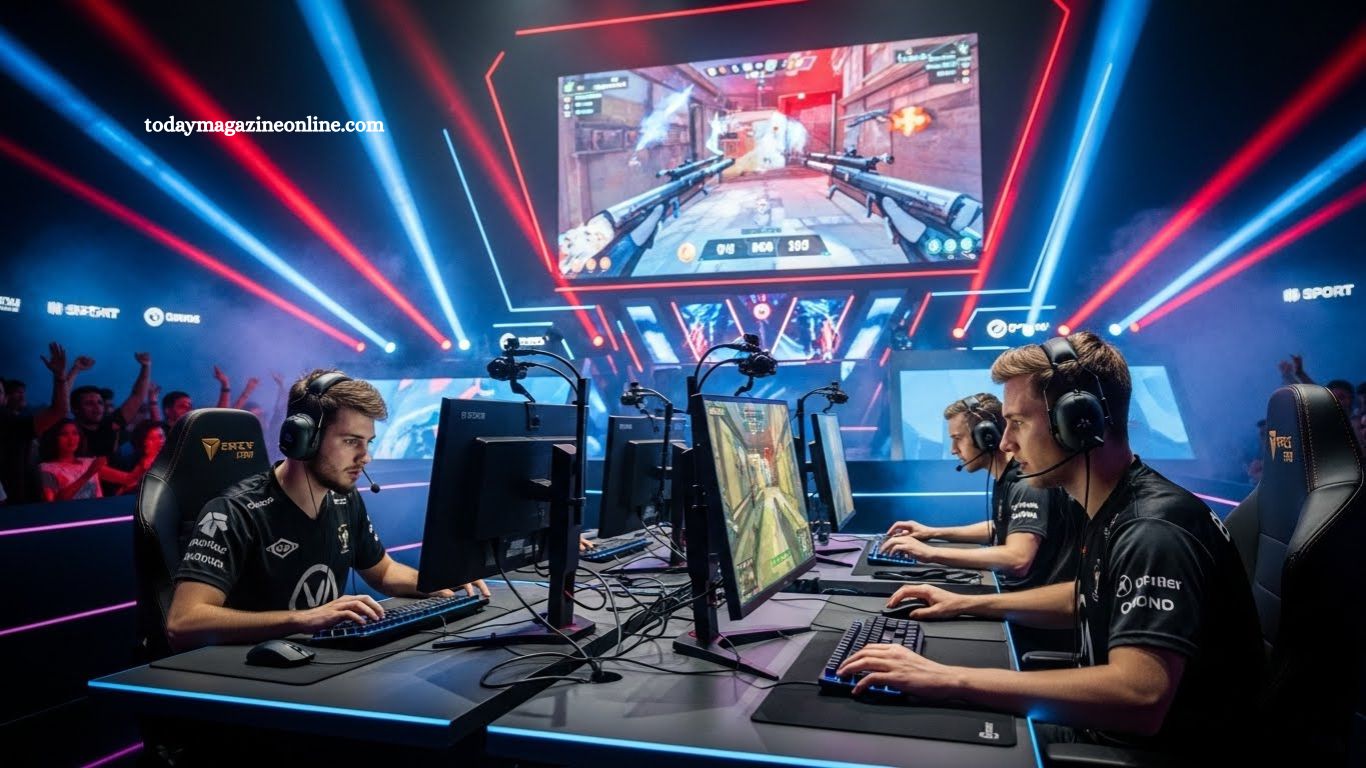
Competitive gaming is no longer a niche hobby. Global phenomenon reshaping entertainment, technology, and sports culture. From packed arenas in Seoul to sold-out venues in Los Angeles,
Esports attracts millions of fans, investors, and professional players. The question remains: Is competitive gaming the future of sports and entertainment?
Read More: Olympic Games 2028 Preparation: Early Contenders Analysis
What Is Esports?
Esports refers to organized, competitive video gaming where professional players, teams, and streamers compete in tournaments for prize pools, sponsorships, and global recognition. Popular titles include:
- League of Legends
- Dota 2
- Counter-Strike 2
- Valorant
- Fortnite
Each title features structured leagues, global championships, and massive online audiences through platforms like Twitch and YouTube.
Explosive Growth of Esports Industry
The esports industry experienced rapid expansion during the past decade. Revenue streams include:
- Sponsorship deals
- Advertising partnerships
- Media broadcasting rights
- Tournament ticket sales
- In-game purchases
Major brands such as Red Bull, Nike, and Intel invest heavily in esports marketing campaigns. Traditional sports organizations also enter the scene, recognizing digital audience potential.
Prize pools continue breaking records. Events like The International demonstrate financial power behind competitive gaming, offering multi-million-dollar rewards.
Why Esports Appeals to Younger Generations
Millennials and Gen Z gravitate toward interactive digital experiences. Unlike traditional sports, esports offers:
- Global accessibility
- Direct player-fan interaction
- Streaming integration
- Real-time online participation
Platforms encourage community engagement through live chat, subscriptions, and creator content. Digital natives value connection, speed, and global reach—qualities esports delivers effectively.
Technology Driving Competitive Gaming
Advancements in high-speed internet, cloud gaming, and virtual reality accelerate esports development. Powerful graphics cards, gaming peripherals, and 5G connectivity enable seamless competition across continents.
Cities like Shanghai and Berlin invest in esports arenas, training facilities, and innovation hubs. Infrastructure growth signals long-term industry confidence.
Artificial intelligence analytics and performance tracking tools improve team strategies. Data-driven coaching resembles methods used in traditional athletics.
Esports vs Traditional Sports
Debate continues: Should esports qualify as a real sport?
Competitive gaming requires:
- Strategic thinking
- Rapid decision-making
- Hand-eye coordination
- Team communication
- Mental endurance
Professional players train daily, follow strict routines, and maintain physical fitness for peak performance. Organizations mirror the structures of football and basketball franchises.
Universities now offer esports scholarships. Academic programs recognize competitive gaming as a viable career pathway.
Career Opportunities in Esports
The esports ecosystem extends beyond professional players. Career options include:
- Coaches
- Analysts
- Shoutcasters
- Event managers
- Streamers
- Content creators
- Marketing specialists
The gaming industry supports developers, designers, broadcasters, and production crews. A growing job market attracts tech-savvy professionals worldwide.
Challenges Facing the Esports Industry
Despite rapid growth, challenges remain:
- Player burnout
- Regulatory concerns
- Monetization stability
- Game publisher control
- Market saturation
Sustainable governance models are necessary for long-term success. Clear regulations, player unions, and standardized contracts could strengthen the ecosystem.
Future Outlook: Sustainable Digital Sport?
Esports integrates entertainment, technology, and community culture. Hybrid events combine live stadium atmosphere with global streaming reach. Brands continue investing, audiences expanding, innovation accelerating.
Competitive gaming aligns with digital transformation,, shaping modern society. As technology evolves, esports likely secura e permanent position within the global entertainment industry.
Frequently Asked Questions
What is esports?
Esports refers to organized competitive video gaming where professional players compete in tournaments for prize money, sponsorships, and global recognition.
Is esports considered a real sport?
Yes. Esports requires strategy, fast reflexes, teamwork, and mental discipline—similar to traditional sports, though physical activity level differs.
How do esports players earn money?
Players earn through tournament winnings, team salaries, sponsorship deals, streaming revenue, and brand partnerships.
Which games dominate the esports industry?
Top titles include League of Legends, Dota 2, Valorant, and Counter-Strike 2.
Can esports become the future of entertainment?
Yes. Rapid growth, global fan base, strong sponsorship investment position esports as a major force in digital entertainment.
Are there careers beyond professional gaming?
Yes. Industry offers roles in coaching, event management, broadcasting, marketing, content creation, and game development.
Conclusion
Esports transformed the digital entertainment landscape into a structured, profitable, and globally recognized industry. Competitive gaming attracts massive audiences, major sponsorships, and professional talent across continents. Titles like League of Legends and Counter-Strike 2 continue driving engagement, innovation, and investment.
