

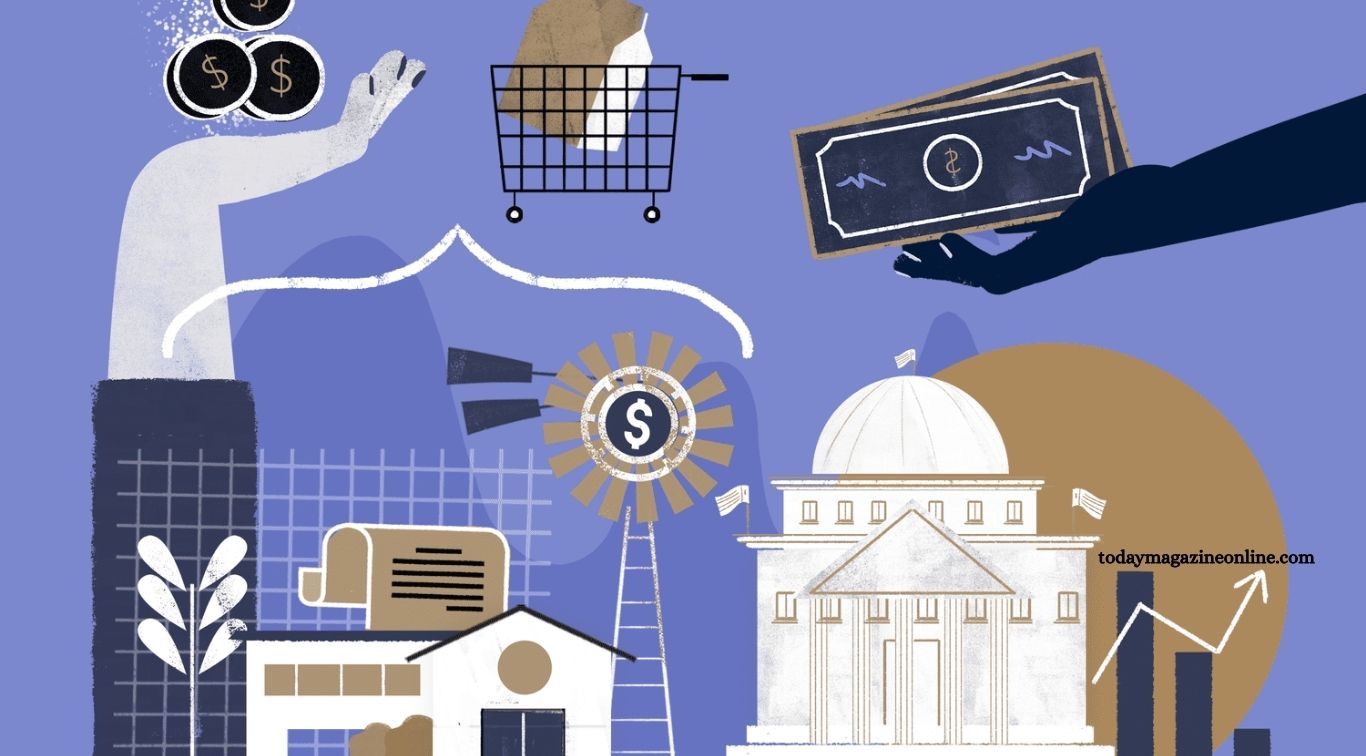
Elections play an important role in shaping a country’s economic direction. Political transitions can affect investor confidence, government spending, business decisions, employment, and long-term development. When elections are managed through transparent institutions, they can strengthen public trust and create conditions for sustainable economic growth.
Economic performance often changes during election periods because businesses, investors, consumers, and governments respond to political uncertainty. Understanding the connection between elections and the economy helps explain why political stability remains an important factor in national development.
Read More: The Future of Politics in a Digital World
The Relationship Between Elections and Economic Growth
Economic growth depends on several factors, including investment, productivity, employment, consumer spending, infrastructure, and government policy. Elections can influence each of these areas by determining which political leaders and economic policies will guide the country.
A new government may introduce tax reforms, infrastructure programs, trade policies, or business incentives designed to stimulate economic activity. These decisions can encourage investment and create employment when implemented effectively.
Political uncertainty can produce the opposite effect. Businesses may delay expansion plans when they are unsure about future regulations, taxes, or government priorities. Investors may also take a cautious approach until election results and policy directions become clearer.
Investor Confidence During Election Periods
Investor confidence represents one of the strongest links between elections and economic stability. Domestic and international investors generally prefer markets with predictable policies, strong institutions, and stable governments.
Election campaigns can create uncertainty when political parties propose significantly different economic policies. Investors may wait for the outcome before committing capital to major projects.
A peaceful and credible election can reduce uncertainty once the results are accepted and a clear government takes office. Strong institutions can further reassure investors that economic policies will remain predictable regardless of political changes.
Government Spending and Fiscal Policy
Elections can influence government spending decisions. Political parties often campaign on promises involving infrastructure, public services, subsidies, employment programs, or tax reductions.
Higher public spending can increase economic activity in the short term by raising demand for goods, services, construction, and labor. However, excessive spending without adequate revenue can increase budget deficits and public debt.
Responsible fiscal management remains important during election cycles. Governments that balance development priorities with sustainable public finances can support growth without creating long-term financial pressure.
Elections and Business Activity
Businesses closely monitor elections because political decisions can directly affect operating costs and future opportunities. Changes in corporate taxes, labor regulations, trade rules, energy policies, and licensing requirements can influence business confidence.
Small businesses can be particularly sensitive to political uncertainty because they often have limited financial reserves. A stable policy environment allows entrepreneurs to plan investments, hire workers, expand operations, and introduce new products. Clear economic policies after elections can therefore create stronger conditions for private-sector growth.
Employment and Labor Markets
Election outcomes can influence employment through government programs and private-sector confidence. Political leaders may prioritize job creation through infrastructure projects, industrial development, education programs, or investment incentives.
Government employment programs can provide short-term support, while private investment generally plays a larger role in creating sustainable employment over time.
Stable political conditions encourage companies to expand, which can increase demand for workers. Political uncertainty, meanwhile, can cause businesses to postpone hiring and investment decisions.
Consumer Confidence and Spending
Households also respond to election uncertainty. Consumers may delay major purchases when they are concerned about inflation, taxes, employment prospects, or future economic conditions.
After a stable election outcome, consumer confidence may improve if households believe economic conditions will remain predictable. Increased confidence can support retail sales, housing activity, services, and other areas of domestic demand.
However, elections alone cannot guarantee stronger consumer confidence. Inflation, interest rates, wages, and employment conditions remain major influences on household spending.
Political Stability and Long-Term Development
Economic growth requires long-term planning. Infrastructure projects, education systems, healthcare improvements, energy development, and industrial policies often require years of consistent investment.
Frequent political instability can interrupt these plans. Changes in government may lead to changes in priorities, delayed projects, or revisions to existing policies.
Stable democratic institutions allow governments to change while maintaining continuity in essential economic systems. This continuity can support long-term investment and productivity.
How Election Results Can Affect Financial Markets
Financial markets often react quickly to election developments. Stock prices, currency values, and bond markets can move as investors evaluate potential changes in economic policy.
Markets may respond positively when election results reduce uncertainty and signal economic stability. They may react negatively when results create concerns about fiscal policy, political conflict, regulation, or government instability.
Market reactions do not always reflect the long-term economic impact of an election. Short-term volatility can occur even when the broader economy remains fundamentally strong.
The Importance of Strong Institutions
Strong institutions can reduce the economic risks associated with elections. Independent courts, transparent electoral systems, effective regulators, reliable central banks, and accountable public institutions can provide continuity during political transitions.
When institutions function effectively, businesses and investors can make decisions based on established rules rather than personal relationships or political uncertainty.
Institutional strength also improves public confidence. Citizens are more likely to trust economic policies when government decisions are transparent and accountable.
Elections, Public Trust, and Economic Stability
Public trust has an important economic dimension. Citizens who believe elections are legitimate are more likely to accept political outcomes and participate constructively in the economy.
Disputed elections, prolonged political conflicts, or social unrest can disrupt business activity, tourism, investment, transportation, and consumer spending. Severe instability can damage economic growth even when a country has strong underlying economic resources.
Peaceful political transitions therefore contribute to a more predictable environment for businesses and households.
Elections Can Create Opportunities for Economic Reform
Elections are not only periods of uncertainty. They can also create opportunities for meaningful economic reform.
New governments may receive public support for policies addressing taxation, infrastructure, education, healthcare, energy, trade, or industrial development. Effective reforms can improve productivity and strengthen economic competitiveness.
The quality of implementation remains crucial. Election promises can support growth only when governments have realistic plans, adequate resources, and strong institutions to execute them.
Short-Term Effects vs Long-Term Economic Impact
The economic impact of elections should be viewed across different time periods. Financial markets and consumer behavior may react immediately, while investment and employment effects can take months or years to develop.
Long-term economic performance depends more heavily on productivity, human capital, infrastructure, innovation, institutional quality, and policy consistency than on a single election.
An election can influence these factors, but it is rarely the only cause of economic expansion or decline.
How Countries Can Maintain Economic Stability During Elections
Governments can reduce election-related economic uncertainty by maintaining transparent fiscal policies and communicating clearly with businesses, investors, and citizens.
Independent economic institutions can also help maintain stability by continuing their responsibilities without unnecessary political interference. Clear rules, reliable statistics, responsible budgeting, and predictable regulations provide businesses with greater confidence.
Political parties can contribute by presenting realistic economic programs rather than relying entirely on short-term promises. Responsible campaigning can help voters understand the potential economic consequences of different policy choices.
Frequently Asked Questions
How do elections affect economic growth?
Elections influence economic growth through government policies, investment, spending, employment, and business confidence.
Do elections increase economic uncertainty?
Yes, elections can create temporary uncertainty when businesses and investors wait for clearer policy direction.
How do elections affect investors?
Investors may delay decisions during uncertain elections and increase investment after a stable, credible outcome.
Can elections affect employment?
Yes, government policies, investment plans, and economic reforms after elections can influence job creation.
How do elections affect consumer spending?
Political uncertainty can make consumers cautious, while greater stability can improve confidence and spending.
Why are stable institutions important during elections?
Strong institutions provide policy continuity, protect economic rules, and reduce risks during political transitions.
Conclusion
Elections influence economic growth and stability through government policy, investor confidence, business activity, consumer spending, employment, and public finances. A credible election can strengthen confidence and create opportunities for economic reform, while political uncertainty or instability can discourage investment and weaken economic activity.

1 Comment
Pingback: Political Trends That Could Change the World - Today Magazine Online