

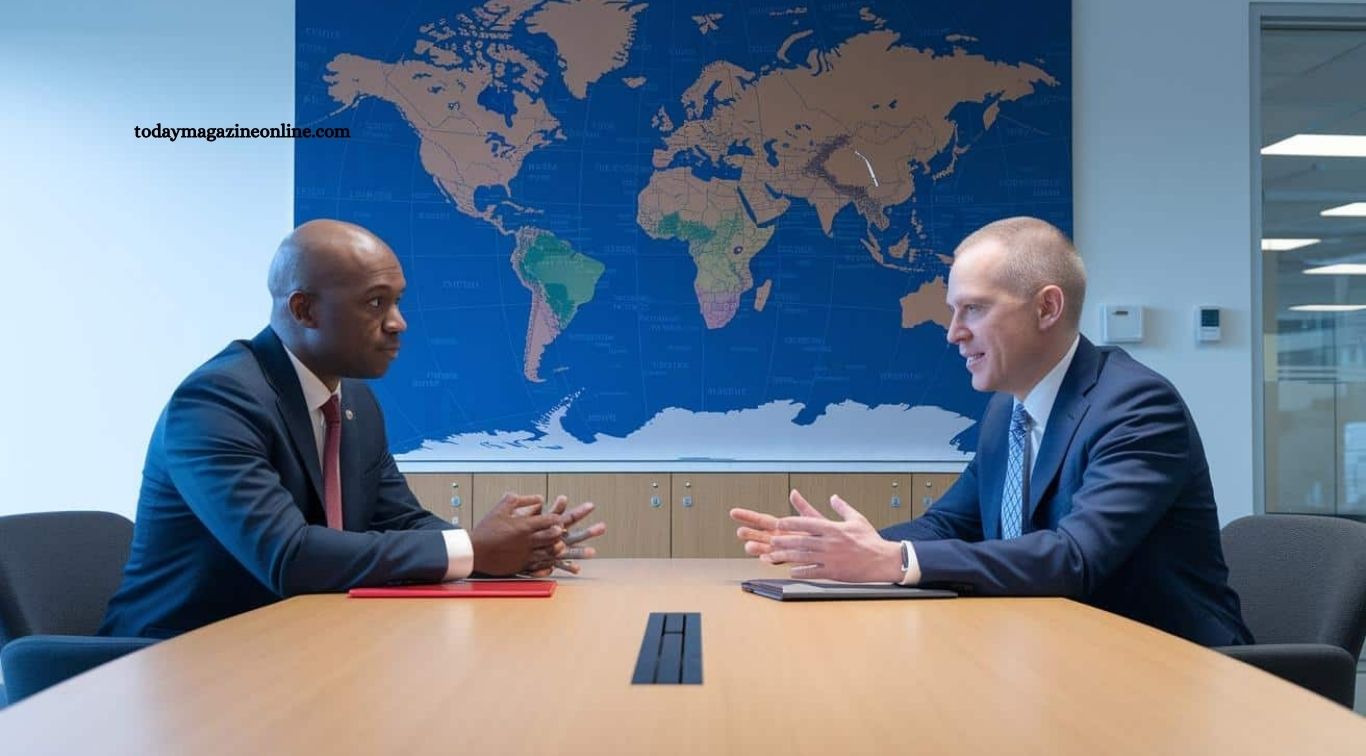
Political trends are changing faster than ever. Around the world, governments, voters, businesses, and communities are responding to economic pressure, technological change, social movements, and shifting global alliances. These developments are not limited to individual countries. Political decisions made today can influence international security, trade, migration, technology, and the global economy for years to come.
Understanding the political trends that could change the world is becoming increasingly important. As traditional political systems face new challenges, emerging movements and ideas are reshaping how people view leadership, democracy, national identity, and international cooperation.
Read More: How Elections Influence Economic Growth and Stability
The Rise of a More Multipolar World
One of the most important political trends shaping the future is the movement toward a multipolar world. For decades, global politics was heavily influenced by a small number of powerful countries. Today, economic and political influence is becoming more distributed among different nations and regions.
Countries such as China, India, Brazil, Turkey, Saudi Arabia, Indonesia, and other emerging powers are seeking greater influence in international affairs. At the same time, established powers are adjusting their foreign policies to respond to changing economic and strategic realities.
A multipolar world could create new opportunities for cooperation, but it could also increase competition. Trade relationships, military partnerships, energy supplies, and diplomatic alliances may become more complex as countries attempt to protect their national interests.
Changing Attitudes Toward Democracy
Democracy remains one of the most influential political systems in the world, but public attitudes toward democratic institutions are changing. Voters in many countries are questioning traditional political parties and demanding greater transparency, accountability, and direct representation.
Political dissatisfaction can create opportunities for new movements and independent candidates. It can also increase support for populist parties that promise major changes to established political systems.
The future of democracy may depend on whether governments can rebuild public trust. Strong institutions, credible elections, freedom of expression, and responsible governance will remain essential as societies navigate political polarization and rapid technological change.
The Growing Influence of Artificial Intelligence in Politics
Artificial intelligence is becoming an important force in modern politics. Governments are exploring AI for public services, national security, economic planning, and policymaking. Political campaigns are also using advanced technology to understand voters and communicate with specific audiences.
However, AI creates serious political challenges. Artificially generated content can make misinformation more difficult to identify. Deepfakes and automated propaganda could influence public opinion, particularly during elections.
The political impact of artificial intelligence will depend heavily on regulation and responsible use. Countries that establish effective rules for AI may be better prepared to protect democratic institutions while still benefiting from technological innovation.
Political Polarization and the Information Age
Political polarization has become a major challenge in many societies. Social media platforms allow people to communicate instantly, but they can also create information environments where individuals primarily encounter opinions that support their existing beliefs.
This environment can make political disagreements more intense. Public debates may become focused on identity and emotion rather than policy and evidence.
The future of political stability could depend on how societies respond to misinformation, online manipulation, and declining trust in traditional media. Digital literacy and stronger standards for political communication may become increasingly important.
The Changing Role of Young Voters
Young people are becoming an increasingly important political force. Younger generations often have different priorities from older voters, including climate change, affordable housing, economic opportunity, digital rights, education, and social equality.
Political parties that fail to understand these concerns may struggle to maintain long-term support. Young voters are also using social media and digital communities to organize political campaigns and social movements outside traditional political structures.
As younger generations gain greater influence in elections, their priorities could significantly shape government policies and international debates.
Climate Change Is Becoming a Political Issue
Climate change is no longer only an environmental concern. It is increasingly influencing elections, economic policies, energy strategies, migration, and international relations.
Governments face pressure to reduce emissions while maintaining affordable energy and protecting economic growth. The transition toward renewable energy could create new industries and jobs, but it could also change the geopolitical importance of countries that depend heavily on fossil fuel exports.
Climate-related disasters may also increase political pressure on governments to strengthen infrastructure and prepare for population displacement. As a result, environmental policy could become one of the defining political issues of the coming decades.
Immigration and the Future of Borders
Immigration continues to influence political debates across the world. Economic inequality, conflict, climate change, and employment opportunities are contributing to cross-border migration.
Governments are under pressure to balance border security with humanitarian responsibilities and economic needs. Political parties with different approaches to immigration are competing for voter support, making migration policy an increasingly important factor in elections.
The future of global migration could reshape national politics, labor markets, demographic trends, and international cooperation.
Economic Inequality and Political Change
Economic inequality is another major factor influencing political behavior. Rising living costs, housing affordability problems, wage stagnation, and unequal access to economic opportunities can create frustration among voters.
When people believe that economic systems are not working fairly, support for political change often increases. This can strengthen populist movements or encourage demands for reforms involving taxation, social welfare, labor rights, and public services.
The political response to inequality could have a major impact on the global economy. Governments will increasingly need to find ways to encourage economic growth while ensuring that its benefits reach a broader section of society.
The Future of Global Alliances
International alliances are also evolving. Traditional partnerships are being tested by changes in security concerns, trade policies, energy markets, and regional conflicts.
Countries are increasingly interested in flexible partnerships based on specific economic or strategic interests. Instead of relying entirely on permanent alliances, governments may build different relationships for technology, defense, energy, trade, and infrastructure.
This shift could make international politics more unpredictable. It may also create new opportunities for middle powers to play a larger role in global decision-making.
Nationalism and the Return of Domestic Priorities
Nationalism is gaining influence in political debates across several parts of the world. Many voters are calling for stronger national borders, domestic industries, economic independence, and greater control over national resources.
The trend has important consequences for globalization. Governments may become more cautious about depending on foreign suppliers for essential goods such as energy, technology, food, and critical industrial materials.
A stronger focus on national interests could protect domestic industries, but excessive economic nationalism may also increase trade tensions and reduce international cooperation.
The Growing Importance of Political Trust
Trust could become one of the most valuable resources in modern politics. Citizens need to believe that governments, elections, institutions, and public information systems are credible.
When trust declines, misinformation and political extremism can gain influence. When trust improves, governments are more capable of implementing difficult reforms and responding to crises.
Political leaders may therefore face increasing pressure to communicate more transparently and demonstrate measurable results. Trust will likely become a central factor in determining whether governments can successfully navigate major economic, technological, and social changes.
What These Political Trends Mean for the Future
The political trends shaping the world are deeply connected. Artificial intelligence can influence elections, economic inequality can affect political polarization, climate change can increase migration, and changing global alliances can reshape international trade.
These connections make the future difficult to predict. However, one thing is clear: political systems are entering a period of significant transformation.
Countries that can adapt to technological change, strengthen democratic institutions, manage economic challenges, and cooperate internationally may be better positioned for the future. Governments that fail to respond to changing public expectations could face growing instability and political pressure.
The world is becoming more interconnected, yet political priorities are also becoming more diverse. The balance between national interests and global cooperation will remain one of the defining questions of modern politics.
Frequently Asked Questions
What political trend could change the world the most?
The rise of a multipolar world could significantly change global politics by shifting economic and strategic power among more countries.
How will AI affect politics?
AI could influence elections, policymaking, political communication, and the spread of misinformation.
Why is political polarization increasing?
Social media, economic inequality, cultural differences, and declining trust in institutions can contribute to political polarization.
How does climate change affect politics?
Climate change can influence energy policies, migration, international relations, and government spending.
Why are young voters important in politics?
Young voters can shape future policies by prioritizing issues such as technology, climate change, housing, education, and economic opportunity.
Will global alliances change in the future?
Yes. Changing economic interests, security concerns, technology, and regional competition could reshape international alliances.
Conclusion
Political trends have the power to reshape societies, economies, and international relations. The rise of a multipolar world, changing attitudes toward democracy, artificial intelligence, political polarization, climate change, immigration, economic inequality, nationalism, and evolving global alliances are creating a new political landscape. The future will not be determined by a single political movement or country. It will be shaped by how governments and citizens respond to these interconnected challenges.

1 Comment
Pingback: Understanding International Politics and Global Relations - Today Magazine Online