

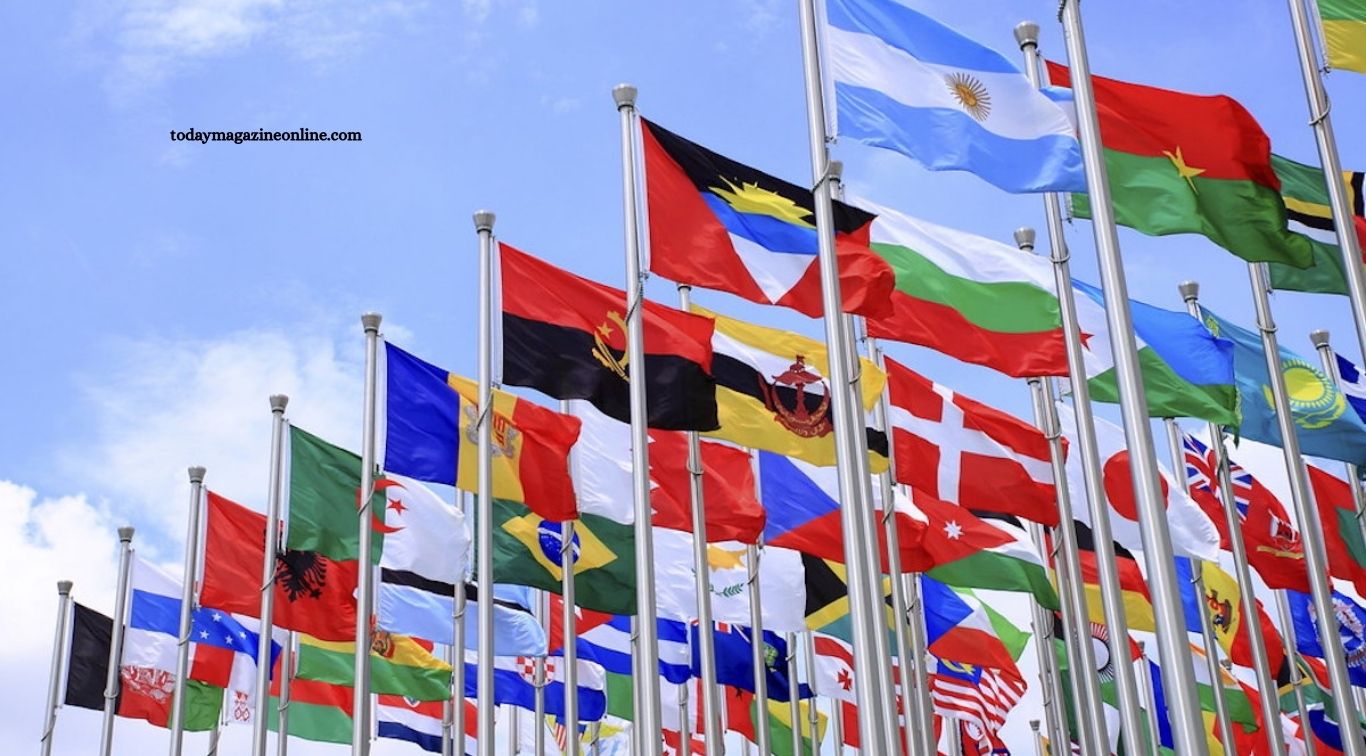
International politics shapes how countries interact, cooperate, compete, and respond to global challenges. From economic partnerships and diplomatic negotiations to conflicts, trade agreements, and security concerns, global relations influence everyday life in many ways.
Understanding these relationships helps readers make sense of major world events and changing global trends. This article explains the key concepts behind international politics, the role of diplomacy, major global actors, and the factors shaping relations between countries.
Read More: Political Trends That Could Change the World
What Is International Politics?
International politics refers to interactions between countries, governments, international organizations, and other influential global actors. These interactions involve areas such as security, trade, diplomacy, economics, human rights, technology, and environmental policy.
Each country has national interests that influence its foreign policy. Governments work to protect their security, strengthen their economies, expand international partnerships, and increase their influence. At the same time, countries must consider the interests of other nations.
International politics can involve cooperation and competition at the same time. Two countries may work together on trade while disagreeing over security or territorial issues. This balance makes global relations complex and constantly changing.
The Role of Diplomacy in Global Relations
Diplomacy remains one of the most important tools in international politics. Governments use diplomatic channels to communicate, negotiate agreements, resolve disputes, and build long-term partnerships.
Diplomats represent their countries during international meetings and negotiations. Their work can help prevent conflicts and create opportunities for cooperation. Diplomatic discussions also play an important role during international crises.
Modern diplomacy extends beyond traditional government meetings. Digital communication, international conferences, economic partnerships, and public diplomacy have become important parts of global engagement.
Major Players in International Politics
Countries remain the central actors in global relations, but international politics involves many other organizations and groups.
International organizations such as the United Nations, World Trade Organization, and International Monetary Fund influence global policies and cooperation. Regional organizations also help countries address shared political, economic, and security concerns.
Multinational companies have gained significant global influence through international trade, investment, technology, and supply chains. Non-governmental organizations, research institutions, media organizations, and civil society groups can also shape international discussions.
How Economic Relations Influence Global Politics
Economic interests strongly affect relationships between countries. International trade allows nations to exchange goods, services, technology, and resources. Strong economic relationships can create greater cooperation and stability.
Trade disputes, sanctions, tariffs, and restrictions can also create political tensions. Countries may use economic policies to protect domestic industries or influence the decisions of other governments.
Global supply chains have increased economic interdependence. A disruption in one region can affect businesses, prices, production, and consumers across different parts of the world. This connection makes economic policy an important part of modern international politics.
The Importance of International Security
Security remains a major concern for governments. Countries develop military capabilities, security partnerships, and defense strategies to protect their national interests.
International security now extends beyond traditional military threats. Cyberattacks, terrorism, misinformation, organized crime, energy security, and emerging technologies have become important global concerns.
Countries often create alliances and security partnerships to respond to shared challenges. Cooperation can improve regional stability, although disagreements between major powers can increase uncertainty.
Globalization and International Relations
Globalization has made countries more connected than ever. People, businesses, information, money, and technology can move across borders at unprecedented speed.
This connectivity creates economic opportunities but also increases shared risks. Financial crises, pandemics, climate-related problems, cyber threats, and supply-chain disruptions can spread across national borders.
As a result, many global challenges require international cooperation. Individual countries may struggle to solve problems that affect multiple regions simultaneously.
The Role of International Organizations
International organizations provide platforms where countries can communicate and cooperate. They support negotiations, establish frameworks, coordinate humanitarian efforts, and address global challenges.
The United Nations plays an important role in international diplomacy, peacekeeping, humanitarian assistance, and global cooperation. Other organizations focus on areas such as international finance, trade, health, development, and regional security.
Although international organizations can encourage cooperation, their effectiveness often depends on member countries and their willingness to reach agreements.
Power and Influence in Global Relations
Power is a central concept in international politics. Traditionally, military and economic strength were major indicators of national power. Today, influence also comes from technology, innovation, culture, education, diplomacy, and access to global markets.
Soft power allows countries to influence others through culture, values, international reputation, education, and diplomacy. Hard power relies more heavily on military and economic capabilities. Successful countries often combine different forms of power to achieve their international goals.
Emerging Challenges in International Politics
The global political environment continues to change. Technological development, artificial intelligence, climate change, cybersecurity, energy competition, migration, and economic uncertainty are creating new challenges.
Artificial intelligence and advanced digital technologies may influence national security, economic competition, communication, and international diplomacy. Climate change is also encouraging countries to negotiate policies related to energy, emissions, resources, and environmental protection. These challenges demonstrate why international cooperation remains important in the modern world.
Why Understanding Global Relations Matters
Understanding international politics helps people interpret global news and recognize the reasons behind major international decisions. Political developments can affect employment, trade, energy prices, technology, travel, investment, and national security.
A basic understanding of global relations also encourages critical thinking. Instead of viewing international events from only one perspective, readers can examine national interests, economic factors, historical relationships, and diplomatic objectives.
The Future of International Politics
The future of global relations will likely involve greater competition alongside deeper cooperation. Countries will continue protecting national interests while working together on issues that cannot be solved independently.
Technology will play an increasingly important role in international power. Economic interdependence will remain significant, while security concerns will expand beyond traditional military issues.
The countries and organizations that adapt to these changes, maintain effective diplomacy, and develop strong international partnerships will be better positioned to respond to future global challenges.
Frequently Asked Questions
What is international politics?
International politics focuses on relationships, conflicts, cooperation, and decisions between countries.
Why is diplomacy important?
Diplomacy helps countries negotiate, resolve disputes, and build stronger relationships.
What is global relations?
Global relations describe interactions between countries, organizations, businesses, and other international actors.
How does globalization affect politics?
Globalization increases connections between countries through trade, technology, communication, and investment.
What is soft power?
Soft power means influencing others through culture, values, diplomacy, and international reputation.
Why should people understand global politics?
It helps people understand world events and their impact on economies, security, technology, and daily life.
Conclusion
International politics and global relations influence nearly every part of the modern world. Diplomacy, economic partnerships, security alliances, technology, globalization, and international organizations all contribute to the way countries interact. Understanding these factors provides a clearer view of global events and helps readers recognize the forces shaping the future. As international challenges become increasingly interconnected, cooperation, communication, and informed decision-making will remain essential for creating a more stable global environment.

1 Comment
Pingback: The Role of Social Media in Modern Politics - Today Magazine Online