

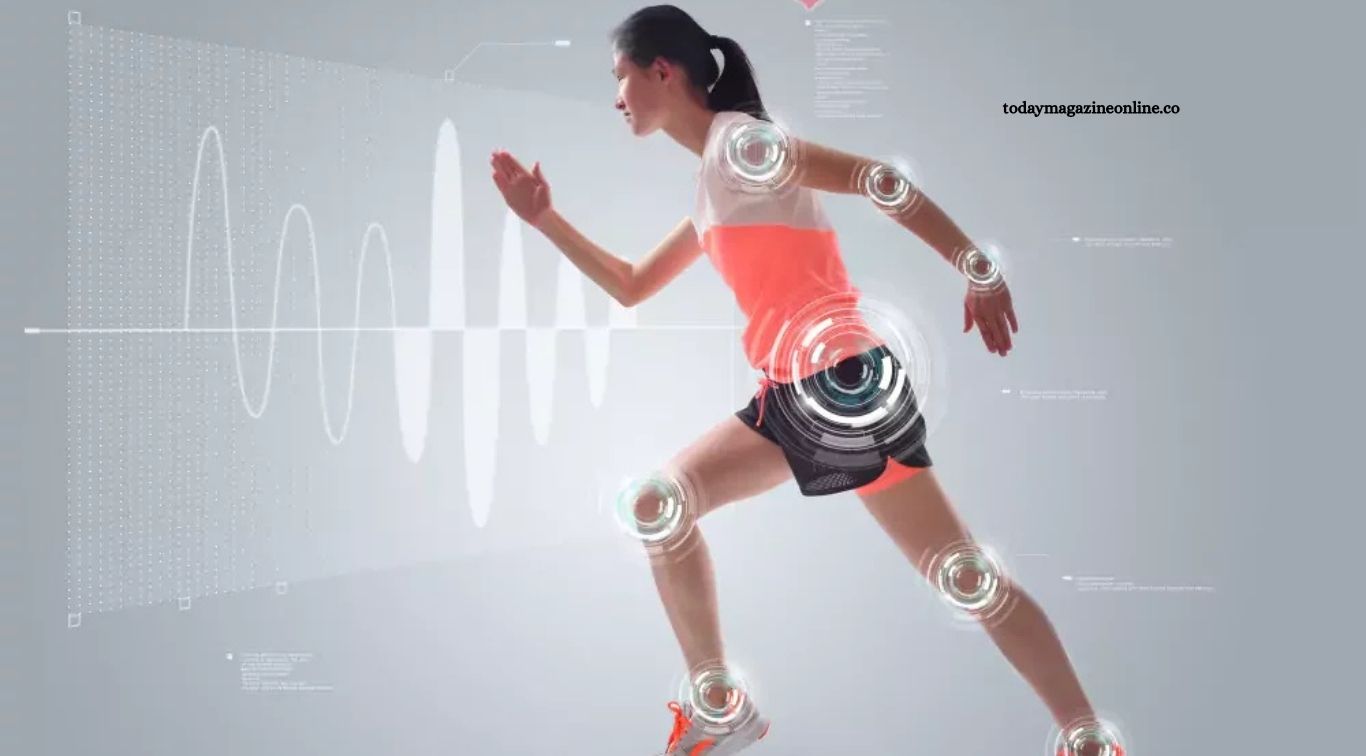
Elite athletes often appear naturally gifted, yet exceptional performance comes from much more than talent. Sports science combines exercise physiology, biomechanics, nutrition, psychology, recovery, and technology to understand how athletes can perform at their highest level. Coaches and sports scientists use research-based methods to improve strength, speed, endurance, movement efficiency, focus, and recovery. Understanding these principles reveals why small improvements in training and daily habits can create major differences in competitive performance.
Modern sports science also helps athletes train smarter instead of simply training harder. Every workout, meal, sleep routine, and recovery session can influence performance. Data from wearable devices, performance testing, and movement analysis allows athletes to understand their bodies more accurately. These sports science secrets provide a structured approach to building physical abilities while reducing unnecessary fatigue and improving long-term consistency.
Read More: The Biggest Sports Events You Can’t Miss This Year
The Role of Sports Science in Athletic Performance
Sports science studies how the human body responds to physical activity and how training can improve athletic abilities. Researchers examine factors such as heart rate, oxygen consumption, muscle strength, reaction time, coordination, energy use, and recovery. This information helps coaches create training programs based on measurable needs rather than assumptions.
Elite athletes often work with multidisciplinary teams that may include strength coaches, physiologists, nutrition professionals, physiotherapists, and sports psychologists. Each specialist contributes to a different part of performance. When these areas work together, athletes can develop a balanced approach that supports training quality, competition readiness, and recovery.
Training With Purpose
One major secret behind elite performance is purposeful training. Professional athletes rarely complete random workouts. Their sessions are designed around specific goals such as improving acceleration, increasing maximal strength, developing endurance, refining technique, or improving explosive power.
Training intensity and volume also need careful management. Excessive training can create fatigue and reduce performance, while insufficient training may fail to create enough stimulus for adaptation. Sports scientists monitor workload and recovery to help athletes maintain an effective balance between challenge and rest.
Strength and Power Development
Strength provides a foundation for many athletic movements. Stronger muscles can help athletes produce force during sprinting, jumping, changing direction, lifting, and other sport-specific actions. Resistance training is therefore an important part of many elite training programs.
Power involves producing force quickly. An athlete may have significant strength but still need to improve how rapidly that force can be expressed. Exercises such as jumps, medicine-ball movements, Olympic lifting variations, and sport-specific drills can develop explosive abilities when appropriately programmed.
The Importance of Energy Systems
Different sports rely on different energy systems. Short explosive movements depend heavily on the phosphagen system, while longer high-intensity efforts require greater contributions from anaerobic glycolysis. Endurance activities rely strongly on aerobic metabolism.
Elite training programs consider these energy demands. A sprinter, marathon runner, football player, and basketball player require different conditioning strategies because their sports involve different combinations of intensity and duration. Training the correct energy systems can improve an athlete’s ability to perform specific competitive demands.
Nutrition Fuels Performance
Nutrition plays an important role in athletic performance. Carbohydrates provide an important energy source for many high-intensity activities, while protein supports muscle repair and adaptation. Dietary fats also contribute to energy production and overall health.
Hydration deserves equal attention. Even moderate fluid loss can affect physical performance, especially during prolonged activity or hot conditions. Elite athletes often develop individualized nutrition and hydration strategies based on training demands, environmental conditions, body size, and personal tolerance.
Recovery Is Part of Training
Training creates stress, while recovery allows the body to adapt. Without adequate recovery, repeated training stress can contribute to excessive fatigue and declining performance. This makes recovery one of the most important elements of an elite athlete’s routine.
Sleep is particularly valuable because the body performs many important recovery processes during sleep. Athletes may also use techniques such as active recovery, mobility exercises, massage, stretching, and carefully planned rest days. The goal is not simply to rest more but to match recovery strategies with training demands.
Biomechanics and Movement Efficiency
Biomechanics examines how the body moves and how forces are produced during athletic actions. Motion analysis can identify inefficient movement patterns that may limit performance. Coaches can then modify technique to improve efficiency and sport-specific execution.
For example, running analysis can examine stride characteristics, ground contact, posture, and joint movement. In sports involving throwing, jumping, or rapid direction changes, biomechanical analysis can provide valuable information about technique and force production. Small technical improvements can sometimes create meaningful performance benefits.
The Mental Side of Elite Performance
Physical ability represents only one part of high-level performance. Concentration, confidence, emotional control, motivation, and decision-making can influence how athletes perform under pressure. Sports psychology helps athletes develop mental strategies for competition.
Visualization, breathing techniques, goal setting, positive self-talk, and pre-performance routines can help athletes maintain focus. Mental preparation is especially important when competitions involve pressure, unpredictable situations, or narrow margins between success and failure.
Technology and Performance Data
Technology has transformed modern sports science. Wearable devices can measure variables such as heart rate, movement, speed, distance, and training load. GPS systems are commonly used in team sports to track player movement and physical demands.
Video analysis and force-measuring technologies can provide additional information about technique and physical performance. Data does not replace coaching expertise, but it can give coaches clearer evidence for making training decisions. The most useful approach combines technology with context rather than relying on a single measurement.
Individualized Training Makes a Difference
There is no universal training program that produces identical results for every athlete. Genetics, training history, age, sport, recovery capacity, lifestyle, and competition schedule can influence how someone responds to exercise.
Elite programs therefore increasingly focus on individualization. Testing can identify an athlete’s strengths and weaknesses, while ongoing monitoring can show how the body responds to training. Programs can then be adjusted to provide an appropriate stimulus without creating unnecessary fatigue.
Injury Prevention Through Smart Preparation
Injury prevention is another important area of sports science. Strong muscles, effective movement patterns, appropriate training progression, adequate recovery, and good technique can help athletes manage physical demands.
Warm-ups may prepare the body for intense activity by increasing temperature and practicing relevant movements. Strength and conditioning programs can also target areas exposed to high loads. Although injuries cannot always be prevented, evidence-based preparation can help athletes manage risk and remain available for training and competition.
The Secret Is Consistency
Elite performance rarely comes from one revolutionary technique. Instead, high-level athletes usually build performance through consistent execution of many small habits. Quality training, proper nutrition, sufficient sleep, mental preparation, recovery, and technical refinement work together over time.
Sports science provides the knowledge needed to make those habits more effective. Athletes who understand how their bodies respond to training can make better decisions about workload, recovery, and preparation. The real advantage comes from applying these principles consistently over months and years.
Frequently Asked Questions
What is sports science?
Sports science studies how training, nutrition, movement, psychology, and recovery affect athletic performance.
Why is recovery important for athletes?
Recovery allows the body to adapt to training stress and helps maintain performance quality.
How does nutrition affect athletic performance?
Proper nutrition provides energy, supports muscle repair, and helps athletes meet training demands.
What is biomechanics in sports?
Biomechanics analyzes body movement and forces to improve technique and movement efficiency.
Does mental training improve sports performance?
Mental skills can support concentration, confidence, emotional control, and competition preparation.
Why do elite athletes use performance technology?
Technology provides measurable data that can help coaches monitor workload, movement, fitness, and recovery.
Conclusion
The sports science secrets behind elite performance involve much more than intense workouts. Successful athletes combine purposeful training, strength development, energy-system conditioning, proper nutrition, recovery, biomechanics, mental preparation, technology, and individualized planning. Each component contributes to a larger performance system. Modern sports science continues to reveal new ways to understand athletic performance.
