

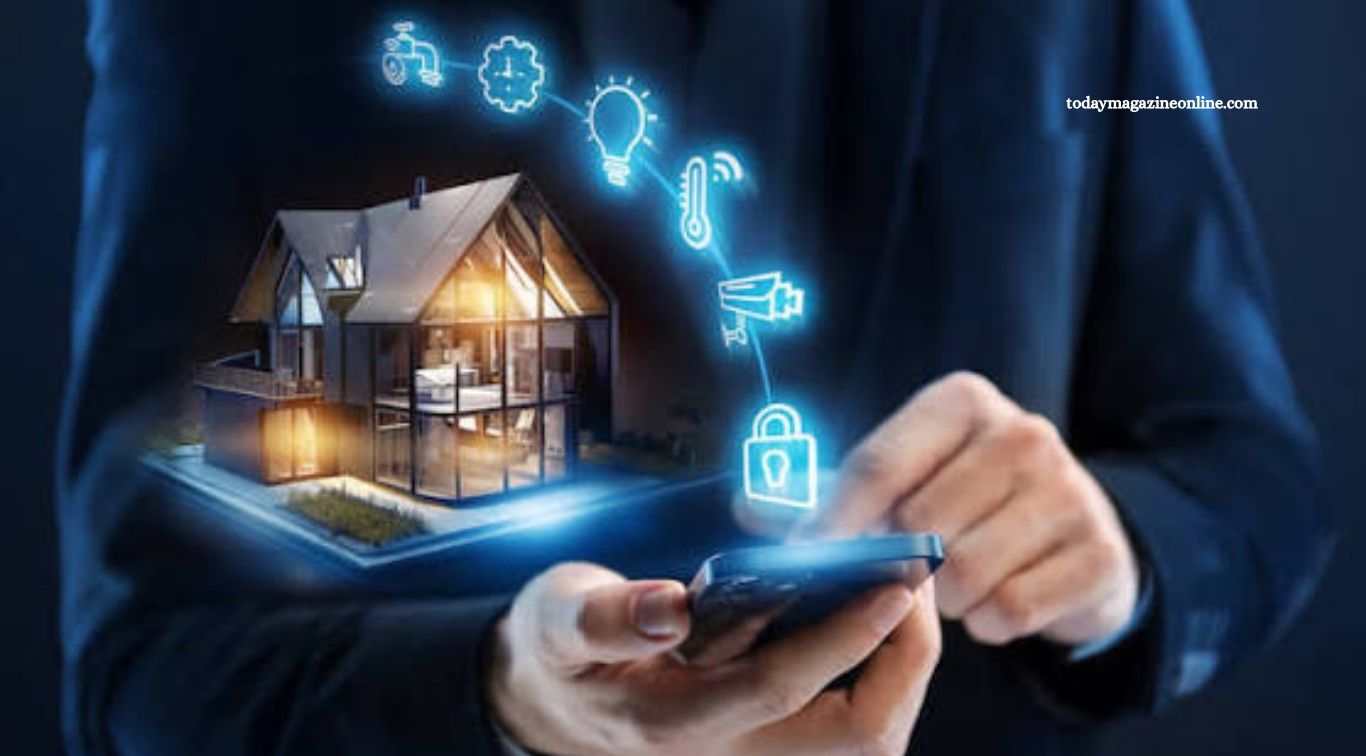
Smart devices are transforming modern homes by making everyday tasks more convenient, efficient, and connected. From intelligent lighting and voice-controlled assistants to smart thermostats and security cameras, these technologies allow homeowners to manage different aspects of their living spaces with greater ease. As internet-connected devices become more accessible, smart home technology is moving beyond luxury properties and becoming a practical option for many households.
The growing popularity of smart devices reflects people’s interest in comfort, security, energy efficiency, and automation. Homeowners can control compatible appliances through smartphones, create automated routines, and monitor selected systems remotely. Although smart technology offers several benefits, choosing reliable devices and protecting personal information remain important. Understanding how these innovations work can help families build a smarter, safer, and more comfortable home.
Read More: New Smartphone Features Changing Mobile Technology
What Are Smart Home Devices?
Smart home devices are electronic products that connect to a network and allow users to control, monitor, or automate household functions. Examples include smart bulbs, connected plugs, video doorbells, robotic vacuum cleaners, thermostats, and voice assistants. Depending on the product, users can manage these devices through mobile applications, voice commands, schedules, or automatic responses to specific conditions.
Many smart devices communicate through Wi-Fi, Bluetooth, or other wireless technologies. Some work independently, while others connect to a central hub or compatible smart home platform. This connectivity allows different products to operate together when they support the same ecosystem or communication standards. Understanding compatibility before purchasing devices can help homeowners avoid connection problems and create a more reliable smart home system.
Smart Lighting for Better Home Comfort
Smart lighting is one of the simplest ways to introduce automation into a modern home. Connected bulbs and switches allow users to turn lights on or off remotely, adjust brightness, and change colors on supported models. Families can create different lighting settings for reading, relaxing, working, or entertaining guests without manually adjusting every light.
Scheduling features can also help reduce unnecessary electricity use by switching lights off when they are not needed. Motion sensors can activate lighting in hallways, entrances, or other suitable areas. However, actual savings depend on existing lighting habits, device efficiency, and how the system is configured. Choosing energy-efficient bulbs and setting practical schedules can make smart lighting both convenient and economical.
Smart Security Systems and Home Monitoring
Smart security devices help homeowners monitor entrances, receive alerts, and check selected areas of their property remotely. Connected cameras, video doorbells, motion sensors, and smart locks can provide additional visibility when residents are away. Some systems allow users to view live video, communicate with visitors, or receive notifications when movement is detected.
Security features vary by device, so homeowners should examine storage options, subscription fees, encryption, and access controls before purchasing a system. Strong passwords and multifactor authentication can reduce the risk of unauthorized access. Cameras should also be positioned responsibly to respect the privacy of family members, neighbors, and visitors. Smart security can improve awareness, but it should complement rather than replace appropriate physical security measures.
Smart Thermostats and Energy Efficiency
Smart thermostats help manage heating and cooling by allowing users to adjust temperature settings through an application or automated schedule. Depending on the model, some devices can learn household routines, respond to occupancy, or provide information about energy use. These features can improve comfort while helping homeowners avoid heating or cooling empty rooms unnecessarily.
Potential energy savings depend on the local climate, insulation, HVAC equipment, and household habits. A smart thermostat cannot compensate for every underlying efficiency problem, such as poor insulation or an inefficient heating system. Before buying one, check compatibility with your existing equipment and consider installation requirements. Combining sensible temperature settings with good home insulation can make energy management more effective.
Voice Assistants and Hands-Free Control
Voice assistants make it easier to control compatible smart devices without opening a mobile application. Users can issue spoken commands to adjust lighting, play music, set reminders, check weather information, or operate selected household appliances. These assistants can be particularly helpful when cooking, carrying items, or managing several tasks at once.
Voice control becomes more useful when devices work together within a compatible ecosystem. For example, a homeowner might create a routine that dims the lights and switches off selected appliances with a single command. However, voice assistants may record or process interactions according to their settings and service policies. Reviewing microphone controls, voice history, and privacy options can help users make informed decisions about using these features.
Smart Appliances in Everyday Life
Smart appliances are adding connected features to refrigerators, washing machines, ovens, dishwashers, and other household equipment. Depending on the model, users may receive maintenance alerts, monitor cycles, adjust settings remotely, or receive notifications when a task is complete. These functions can make household routines easier to manage, particularly for busy families.
Despite their convenience, smart appliances often cost more than basic alternatives and may rely on manufacturer applications or cloud services. Some connected features may stop working if software support ends, although essential appliance functions can vary by model. Before upgrading, compare the practical benefits, repair options, warranty, energy ratings, and long-term support. A smart appliance is most valuable when its connected features solve a real household need.
Smart Plugs and Automated Routines
Smart plugs provide a relatively affordable way to make certain ordinary electrical devices controllable through an application or schedule. Depending on the product, users can switch compatible lamps, fans, and other suitable appliances on or off remotely. Some smart plugs also provide energy-monitoring information, helping users understand how much electricity connected devices consume.
Automation can make these plugs more useful by linking actions to schedules, sensors, or other compatible devices. For example, a lamp could turn on at a set time, or selected electronics could switch off overnight. However, smart plugs should only be used with appliances that meet their electrical ratings and manufacturer instructions. Avoid connecting high-power equipment unless the plug is specifically designed to support it.
Smart Home Technology and Personal Convenience
One of the biggest advantages of smart home technology is the ability to manage multiple tasks from a central application or compatible assistant. Homeowners can create routines for waking up, leaving home, or preparing for bedtime. These routines may adjust lighting, control temperature, activate selected security features, and switch off compatible devices automatically.
Smart technology can also support accessibility by giving people alternative ways to operate household systems. Voice commands, remote controls, and automated schedules may help older adults or people with limited mobility manage certain tasks more independently. The usefulness of these features depends on individual needs, reliable connectivity, and simple system design. A well-planned setup should make everyday life easier rather than adding unnecessary complexity.
Privacy and Cybersecurity Challenges
Connected devices can collect information about household routines, voice commands, energy consumption, movement, and device usage. This data may be necessary for certain features, but it also creates privacy considerations. Homeowners should understand what information a device collects, where it is processed, how long it is retained, and whether optional data-sharing features can be disabled.
Basic cybersecurity practices can help protect a connected home. Use strong, unique passwords, enable multifactor authentication where available, install software updates, and secure the home Wi-Fi network. Consider placing smart devices on a separate guest or Internet of Things network if your router supports it. Before buying a product, review its security features and update policy to reduce the risk of relying on devices that no longer receive essential protection.
The Cost of Building a Smart Home
The cost of a smart home depends on the number of devices, their capabilities, installation requirements, and the ecosystem selected. Basic smart bulbs and plugs can offer an affordable starting point, while connected appliances, advanced security systems, and whole-home automation may require a larger investment. Some products also involve recurring subscription fees for cloud storage, monitoring, or premium features.
Homeowners can control costs by identifying their priorities before purchasing equipment. Start with one or two useful devices, confirm that they work reliably, and expand the system gradually. Compare total ownership costs, including installation, subscriptions, electricity use, and possible replacement expenses. Buying the most expensive equipment is not always necessary; practical devices that work well together can deliver meaningful benefits at a reasonable price.
The Future of Smart Homes
Smart home technology is continuing to develop through improved automation, artificial intelligence, and better communication between connected devices. Future systems may become more capable of recognizing household patterns, coordinating appliances, and adapting to changing needs. Greater compatibility between products could also make it easier for consumers to combine devices from different manufacturers without managing several disconnected systems.
At the same time, future development will depend on affordability, privacy protections, energy efficiency, and reliable software support. Consumers will benefit from devices that are easy to install, accessible to different users, and secure throughout their useful lives. As smart home technology advances, the most successful systems will likely be those that provide clear everyday benefits while giving homeowners control over their data and settings.
Frequently Asked Questions
What are the most popular smart home devices?
Popular options include smart bulbs, security cameras, video doorbells, voice assistants, smart plugs, and thermostats.
Are smart home devices expensive?
Costs vary. Basic devices are often affordable, while advanced systems and connected appliances can require larger investments.
Do smart devices need Wi-Fi?
Many use Wi-Fi, but some rely on Bluetooth, dedicated hubs, or other wireless communication technologies.
Can smart devices reduce energy bills?
They may help reduce waste through scheduling and automation, but savings depend on usage and household conditions.
Are smart home devices safe to use?
They can be safe when properly configured, updated regularly, and protected with strong passwords and secure networks.
How should beginners start building a smart home?
Start with one useful device, check compatibility, review privacy settings, and expand gradually according to your needs.
Conclusion
The rise of smart devices is changing how people manage modern homes by improving convenience, security, automation, and energy awareness. From smart lighting and connected appliances to voice assistants and security systems, these technologies offer practical solutions for everyday challenges. However, homeowners should consider compatibility, cost, privacy, and cybersecurity before investing in connected products. Starting with a few useful devices and expanding gradually can help create a reliable system.
