

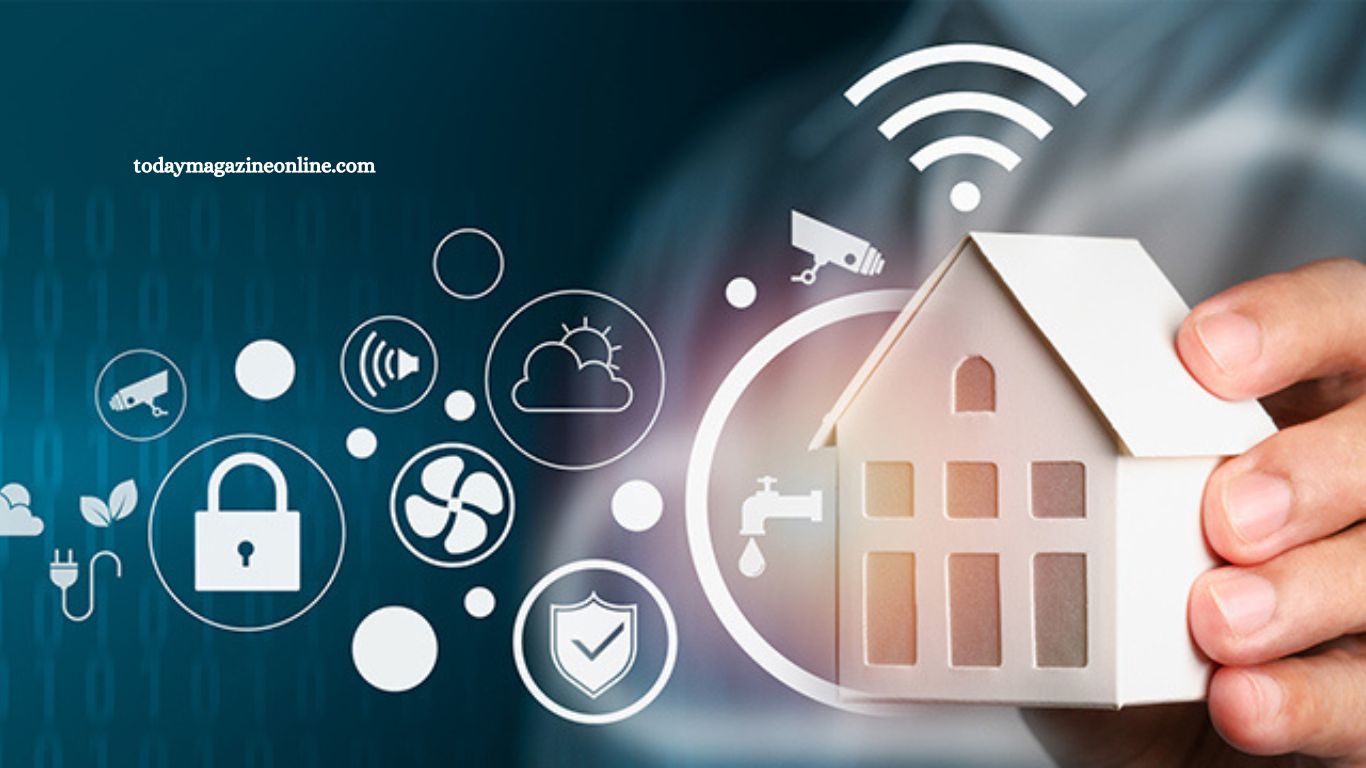
Technology continues to reshape modern living. Smart homes and IoT devices now create connected environments focused on comfort, security, energy efficiency, and automation.
From voice-controlled lighting systems to intelligent security cameras, connected technology transforms everyday routines into seamless digital experiences.
Read More: Cloud Computing Benefits for Small Businesses
Understanding Smart Homes and IoT Technology
A smart home uses internet-connected devices to automate household functions. IoT, short for Internet of Things, refers to physical devices connected through networks that collect, share, and process data. These devices communicate with users and with each other, creating efficient and responsive living spaces.
Popular smart home devices include:
- Smart speakers
- Smart thermostats
- Automated lighting systems
- Video doorbells
- Smart locks
- Connected kitchen appliances
- Smart TVs
- Home security systems
These products simplify daily tasks while improving convenience and control.
Growing Popularity of Smart Homes
Rapid internet expansion, affordable smart devices, and rising demand for automation drive smart home adoption worldwide. Consumers seek better control over household operations through smartphones, tablets, and voice assistants.
Several factors contribute to market growth:
Convenience and Automation
Smart devices automate repetitive tasks. Users schedule lighting, adjust room temperatures, control appliances, and monitor security systems remotely. Automation saves time while improving comfort.
Enhanced Home Security
Smart security systems provide real-time monitoring through cameras, motion sensors, and smart locks. Mobile alerts notify homeowners about suspicious activity instantly, improving safety and peace of mind.
Energy Efficiency
Smart thermostats and lighting systems reduce unnecessary energy consumption. Intelligent systems analyze usage patterns and optimize electricity use, lowering monthly utility costs.
Voice Assistant Integration
Voice-controlled assistants create hands-free control across connected devices. Users manage entertainment systems, alarms, lighting, and appliances using simple voice commands.
Benefits of IoT Devices in Daily Life
IoT devices improve multiple aspects of modern living. Connected technology supports productivity, health monitoring, entertainment, and home management.
Better Connectivity
IoT ecosystems connect multiple devices into one centralized network. Users control household functions from a single mobile application or smart hub.
Real-Time Monitoring
Smart cameras, sensors, and appliances provide live updates and notifications. Homeowners stay informed about energy usage, package deliveries, and home security from any location.
Personalized User Experience
Smart systems learn user behavior and preferences over time. Automated settings adjust lighting, music, temperature, and entertainment according to routines and habits.
Improved Healthcare Support
Wearable IoT devices monitor heart rate, sleep patterns, fitness activity, and health metrics. Smart healthcare solutions support preventive care and wellness tracking.
Challenges Facing Smart Home Technology
Despite strong growth, smart home adoption still faces several concerns.
Privacy and Data Security
Connected devices collect large amounts of personal information. Weak cybersecurity protections may expose users to hacking, unauthorized access, or data theft.
Device Compatibility Issues
Different manufacturers often use separate platforms and standards. Compatibility limitations may create integration challenges between devices.
Internet Dependence
Most smart devices require stable internet connectivity. Network outages may interrupt automation and reduce device functionality.
Initial Installation Costs
Advanced smart home systems sometimes involve high setup expenses. Premium devices and professional installation may discourage budget-conscious consumers.
Future Trends in Smart Homes and IoT
The future of smart living continues evolving through artificial intelligence, machine learning, and faster network technologies.
AI-Powered Automation
Artificial intelligence improves predictive automation. Smart systems analyze behavior patterns and automatically adjust household settings for maximum efficiency.
5G Connectivity
5G networks deliver faster communication between connected devices. Improved speed and lower latency strengthen smart home performance and reliability.
Sustainable Smart Homes
Energy-efficient systems and smart grids support environmentally friendly living. Smart homes increasingly focus on reducing carbon footprints and supporting sustainable lifestyles.
Advanced Smart Security
Future security systems may include facial recognition, biometric access control, and AI-driven threat detection for stronger home protection.
Impact on Modern Lifestyle
Smart homes and IoT technology continue changing how people interact with living spaces. Connected devices improve comfort, productivity, safety, and energy management. As technology advances, smart ecosystems will become more intelligent, affordable, and widely accessible.
Consumers increasingly embrace digital lifestyles driven by automation and connectivity. Businesses within technology, real estate, healthcare, and energy sectors continue investing heavily in smart infrastructure development.
Frequently Asked Questions
What is a smart home?
A smart home uses internet-connected devices for automated control of lighting, security, appliances, and entertainment systems.
What does IoT mean?
IoT stands for Internet of Things, describing connected devices that share and process data through internet networks.
Are smart home devices secure?
Most smart devices offer strong security features, but users should update software and use strong passwords for better protection.
Do smart homes save energy?
Yes. Smart thermostats, lighting systems, and automated controls help reduce energy consumption and lower utility bills.
Can smart devices work without internet?
Some features may work locally, but most smart home functions require stable internet connectivity.
Which smart home device is most popular?
Smart speakers and voice assistants remain among the most widely used smart home devices worldwide.
Conclusion
The rise of smart homes and IoT devices represents a major shift within modern living. Connected technology now delivers convenience, efficiency, security, and personalized experiences across households worldwide. Despite privacy concerns and technical challenges, innovation continues driving rapid adoption and market growth.
