

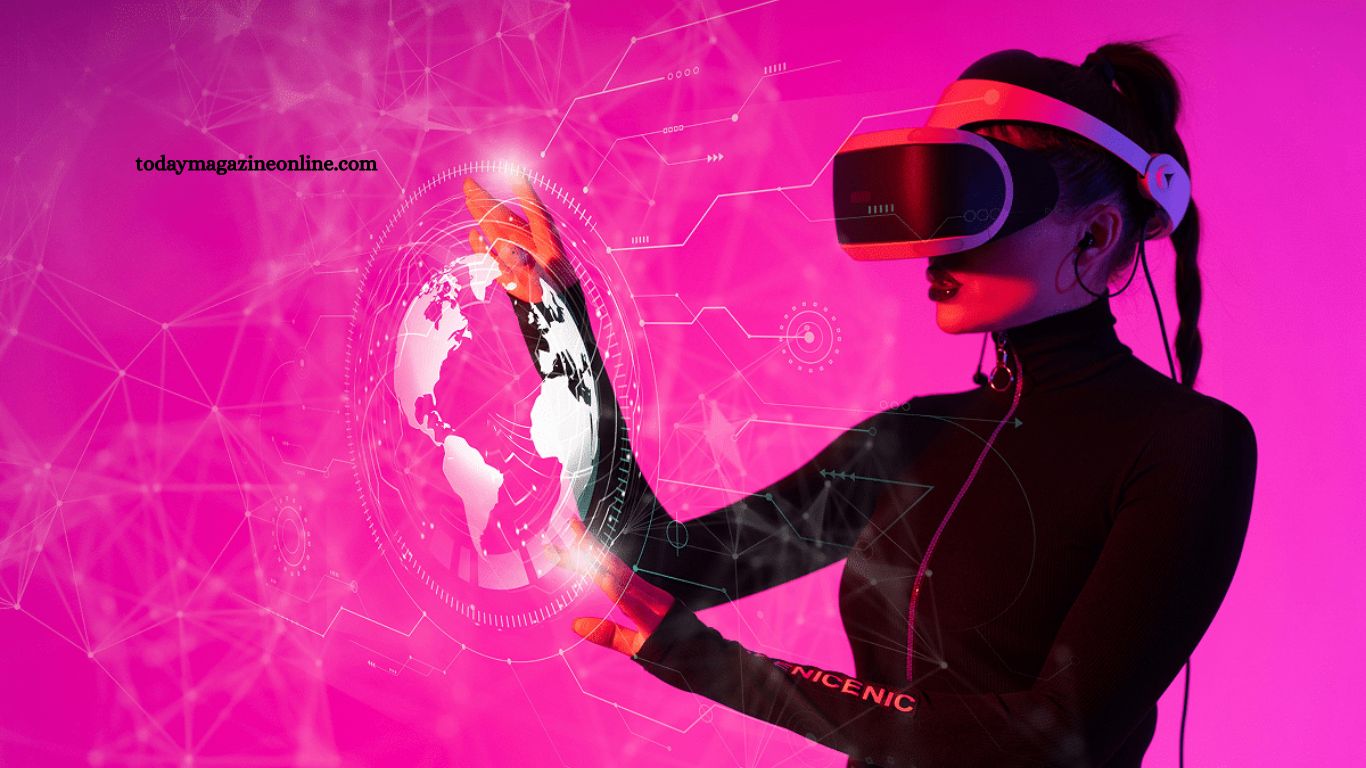
The future of technology is rapidly reshaping how people live, work, and connect across the world. New innovations in artificial intelligence, robotics, quantum computing, and biotechnology are driving unprecedented progress in every industry. These advancements are creating smarter systems, improving efficiency, and unlocking once unimaginable opportunities.
As digital transformation accelerates, understanding emerging technologies becomes essential for future readiness and global competitiveness. This shift defines a new era of innovation, connectivity, and sustainable technological growth worldwide for humanity’s progress.
Read More: How Emerging Technologies Are Transforming Everyday Life
Artificial Intelligence Driving Next-Level Automation
Artificial Intelligence (AI) stands at the center of modern innovation. It enhances decision-making, automates complex tasks, and improves efficiency across multiple industries.
AI systems now support healthcare diagnostics, financial forecasting, customer service automation, and personalized recommendations. Machine learning models process massive datasets, identifying patterns humans cannot easily detect.
Key impacts of AI:
- Improved productivity across industries
- Smarter business analytics
- Enhanced user experiences
- Automation of repetitive work
AI continues to evolve toward more advanced cognitive capabilities, making it a core driver of future technological progress.
Robotics Transforming Industrial and Daily Operations
Robotics technology is redefining manufacturing, logistics, and even household activities. Modern robots perform tasks with precision, speed, and consistency.
Industries benefit from robotic automation in production lines, reducing errors and operational costs. Service robots also appear in healthcare, hospitality, and delivery systems.
Major advancements in robotics:
- Autonomous warehouse systems
- Surgical robotic assistance
- Delivery drones and vehicles
- Smart home robotic assistants
The integration of AI with robotics increases adaptability and real-time decision-making capabilities.
Quantum Computing: Unlocking Unmatched Processing Power
Quantum computing introduces a new computing paradigm that uses quantum bits instead of traditional binary systems. This allows significantly faster processing for complex problems.
Potential applications include:
- Drug discovery and molecular simulation
- Cryptography and cybersecurity
- Climate modeling
- Financial risk analysis
Although still in the early stages, quantum computing promises breakthroughs that traditional computers cannot achieve.
Biotechnology Advancing Human Health
Biotechnology merges biology with technology to improve healthcare and life sciences. It enables genetic research, advanced treatments, and personalized medicine.
Recent developments include gene editing, regenerative medicine, and bioengineered organs. These innovations aim to extend lifespan and improve quality of life.
Key areas of impact:
- CRISPR gene editing technology
- Personalized drug development
- Artificial organ growth
- Disease prevention and early detection
Biotech continues to redefine modern medicine and healthcare systems.
Internet of Things: Connecting the World
The Internet of Things (IoT) connects devices, systems, and services through the internet. Smart homes, smart cities, and industrial IoT systems are becoming more common.IoT enhances efficiency through real-time data collection and communication between devices.
Examples of IoT applications:
- Smart home automation systems
- Connected healthcare devices
- Smart traffic management
- Industrial monitoring systems
This connectivity creates a seamless digital ecosystem across environments.
5G and Next-Generation Connectivity
5G technology delivers faster internet speeds, lower latency, and improved network reliability. It supports advanced applications such as autonomous vehicles, remote surgery, and augmented reality.
Benefits of 5G include:
- Ultra-fast data transfer
- Stable connectivity for smart devices
- Enhanced mobile experiences
- Support for massive IoT networks
5G serves as the backbone for future digital transformation.
Cybersecurity in a Digital World
As technology advances, cybersecurity becomes more critical. Protecting data, systems, and networks from cyber threats is a top priority for organizations worldwide.
Modern cybersecurity strategies use AI-based threat detection, encryption, and multi-layer protection systems.
Core focus areas:
- Data protection and privacy
- Threat detection systems
- Secure cloud infrastructure
- Identity management solutions
Strong cybersecurity ensures trust in digital ecosystems.
Frequently Asked Questions
What is the future of technology?
The future of technology includes AI, robotics, quantum computing, and other innovations that make life faster, smarter, and more connected.
How does AI impact daily life?
AI improves daily life by powering virtual assistants, recommendation systems, healthcare tools, and automated services.
Why is robotics important for the future?
Robotics increases efficiency, reduces human effort in dangerous tasks, and improves accuracy in industries like manufacturing and healthcare.
What is quantum computing used for?
Quantum computing is used for solving complex problems in medicine, cryptography, science research, and financial modeling.
How does IoT work?
IoT works by connecting devices through the internet so they can collect and share data in real time.
Why is cybersecurity important?
Cybersecurity is important because it protects data, systems, and networks from hacking, theft, and digital threats.
Conclusion
The future of technology is defined by continuous innovation. Artificial intelligence, robotics, quantum computing, biotechnology, IoT, 5G, and cybersecurity are transforming how people live and work. These advancements create new opportunities while also introducing challenges that require responsible development and ethical use.
