

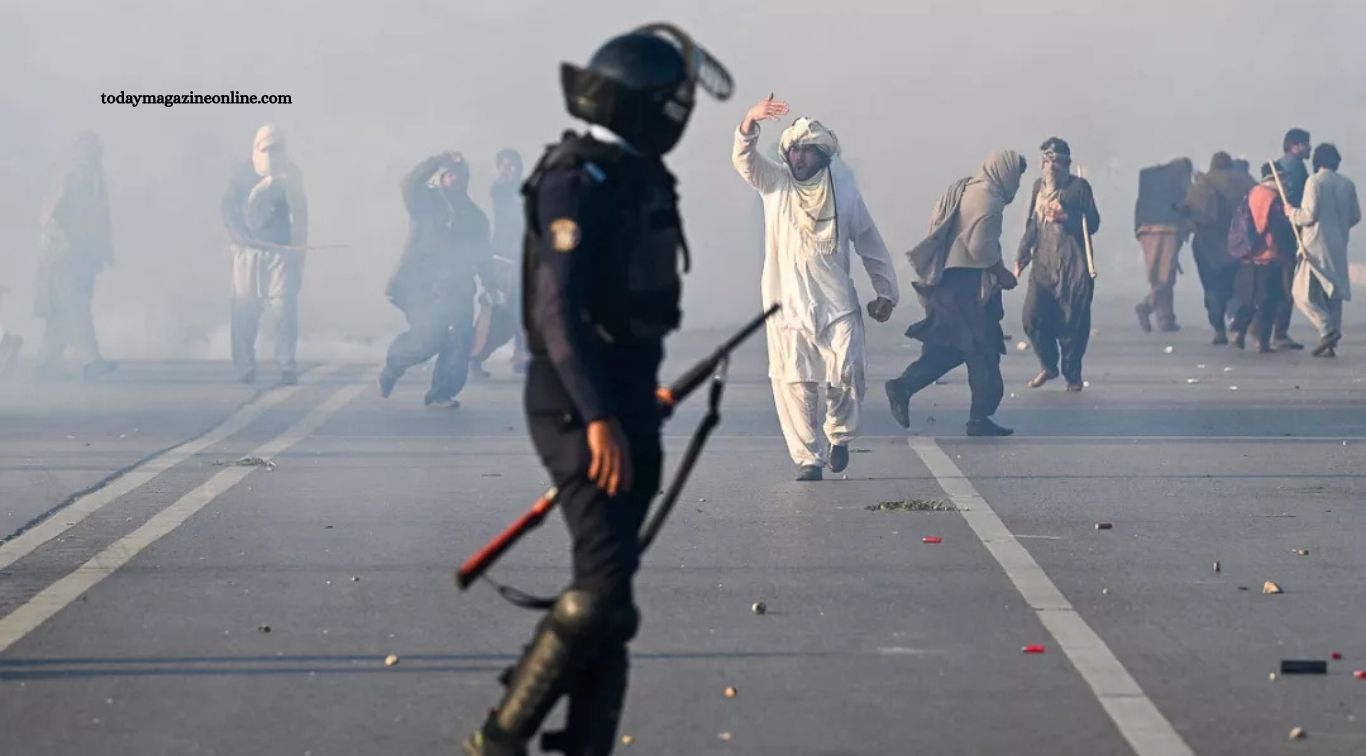
Governments around the world face a rapidly changing political environment. Economic pressure, social divisions, technological disruption, security concerns, climate change, and declining public trust are creating complex challenges for modern leadership. Political decisions now affect not only national stability but also international relationships, economic growth, and public confidence.
Understanding the major political challenges facing governments today helps citizens recognize how modern states respond to difficult issues. Strong governance requires transparency, responsible leadership, effective institutions, and policies that address both immediate problems and long-term national interests.
Read More: The Role of Social Media in Modern Politics
Rising Political Polarization
Political polarization has become a major challenge for many governments. Citizens increasingly hold strongly different views about economic policies, social issues, national identity, and government priorities.
When political disagreement becomes extreme, cooperation between political groups becomes more difficult. Governments may struggle to pass important reforms because opposing parties focus more on winning political battles than finding common solutions.
Reducing polarization requires constructive political dialogue, responsible communication, and greater focus on shared national interests.
Declining Public Trust
Public trust plays an important role in effective government. Citizens expect leaders and institutions to act honestly, fairly, and transparently. When people believe governments are not responding to their concerns, confidence in political institutions can decline.
Corruption, poor public services, political scandals, misinformation, and broken promises can contribute to declining trust. Governments can rebuild confidence through transparent decision-making, stronger accountability, and clear communication with citizens.
Economic Inequality and Cost of Living
Economic inequality remains another significant political challenge. Rising housing costs, inflation, unemployment, and differences in income can create public frustration.
Governments must balance economic growth with policies that support vulnerable communities. Affordable housing, employment opportunities, education, healthcare access, and social protection can help reduce economic pressure.
However, governments also face limited budgets and competing priorities, making economic policymaking increasingly difficult.
Misinformation and Political Disinformation
The rapid growth of social media has transformed political communication. Citizens can access information instantly, but false or misleading information can spread just as quickly.
Misinformation can influence elections, increase social divisions, and damage public trust. Governments face the difficult task of protecting democratic processes without unnecessarily restricting legitimate freedom of expression.
Improving digital literacy, supporting independent journalism, and increasing transparency around political advertising can help societies respond to this challenge.
Cybersecurity and Digital Threats
Modern governments depend heavily on digital infrastructure. Public databases, financial systems, communication networks, and essential services increasingly operate through connected technologies.
Cyberattacks can disrupt government operations and expose sensitive information. Governments therefore need strong cybersecurity policies, skilled professionals, updated infrastructure, and effective cooperation with international partners.
Artificial intelligence also creates new opportunities and risks. Governments must develop responsible policies that encourage innovation while protecting privacy, security, and public interests.
Climate Change and Environmental Pressure
Climate change has become an important political issue because environmental problems can affect economies, communities, agriculture, infrastructure, and public health.
Governments must develop strategies for reducing emissions while supporting economic development. Extreme weather events can also increase pressure on public budgets and emergency services.
Effective environmental policies require long-term planning, international cooperation, investment in clean energy, and public participation.
Immigration and Border Management
Immigration remains politically sensitive in many countries. Governments must manage border security while addressing humanitarian responsibilities and economic needs.
Large migration movements can place pressure on housing, employment, healthcare, education, and public services. At the same time, migrants can contribute valuable skills, labor, entrepreneurship, and cultural diversity.
Balanced immigration policies require practical border management, clear legal processes, and cooperation between countries.
International Conflicts and Geopolitical Tensions
Governments increasingly operate in a complicated international environment. Regional conflicts, competition between major powers, trade disputes, military tensions, and diplomatic disagreements can influence national security and economic stability.
Political leaders must protect national interests while maintaining diplomatic relationships. International cooperation remains essential for addressing problems that cross national borders.
Healthcare and Public Services
Reliable public services are essential for political stability. Healthcare, education, transportation, sanitation, and social welfare directly affect people’s daily lives.
Governments often face pressure to improve these services while dealing with limited resources. Aging populations, rising healthcare costs, and shortages of skilled workers can make this challenge even more difficult.
Efficient spending, modern infrastructure, and long-term planning can help governments improve public services.
Political Corruption and Accountability
Corruption can weaken institutions and reduce confidence in government. When public resources are misused or political decisions are influenced by private interests, citizens may lose faith in democratic systems.
Strong accountability mechanisms are essential. Independent institutions, transparent public spending, effective legal systems, and access to government information can help reduce corruption.
The Challenge of Democratic Governance
Democratic governments must balance competing interests while protecting fundamental rights. Elections provide citizens with political influence, but effective democracy also requires strong institutions, an independent judiciary, responsible media, and respect for the rule of law.
Governments face increasing pressure to deliver quick results, yet many national problems require years of planning. Maintaining democratic stability therefore requires patience, institutional strength, and responsible leadership.
Population Changes and Aging Societies
Demographic changes are creating new political challenges. Many countries are experiencing aging populations, while others have rapidly growing younger populations.
Aging societies can increase pressure on pensions, healthcare, and social welfare systems. Younger populations may require more jobs, education, housing, and economic opportunities.
Governments need demographic policies that prepare for these changes instead of responding only after problems become severe.
Balancing National Interests With Global Cooperation
Modern challenges rarely remain within national borders. Climate change, cybersecurity, migration, pandemics, financial instability, and international security require cooperation between countries.
However, governments must also protect national economic and security interests. Finding the right balance between domestic priorities and international cooperation is becoming an important part of modern political leadership.
How Governments Can Address Modern Political Challenges
Governments can respond more effectively by strengthening institutions and improving communication with citizens. Transparent policies can increase public confidence, while evidence-based decision-making can improve the quality of government programs.
Political leaders should also encourage cooperation across party lines when national interests are at stake. Investing in education, technology, infrastructure, cybersecurity, and public services can create stronger foundations for future development.
Most importantly, governments need to understand changing public expectations. Citizens increasingly expect faster communication, greater transparency, better services, and meaningful participation in political processes.
Frequently Asked Questions
What is a major political challenge today?
Political polarization and declining public trust are major challenges.
Why is political polarization a problem?
It makes cooperation and effective policymaking more difficult.
How does misinformation affect governments?
It can spread false information, increase division, and reduce public trust.
Why is economic inequality a political challenge?
It can increase social dissatisfaction and pressure governments to act.
How does climate change affect politics?
It creates pressure for environmental policies, funding, and long-term planning.
Why is cybersecurity important for governments?
Cybersecurity protects government systems, sensitive data, and essential public services.
Conclusion
The major political challenges facing governments today are interconnected. Political polarization can weaken cooperation, economic pressure can increase public dissatisfaction, misinformation can damage trust, and international conflicts can create new security concerns. There is no single solution to these challenges. Successful governance requires transparency, accountability, responsible leadership, strong institutions, and cooperation between governments and citizens.

1 Comment
Pingback: How Political Decisions Impact Businesses and Markets - Today Magazine Online