

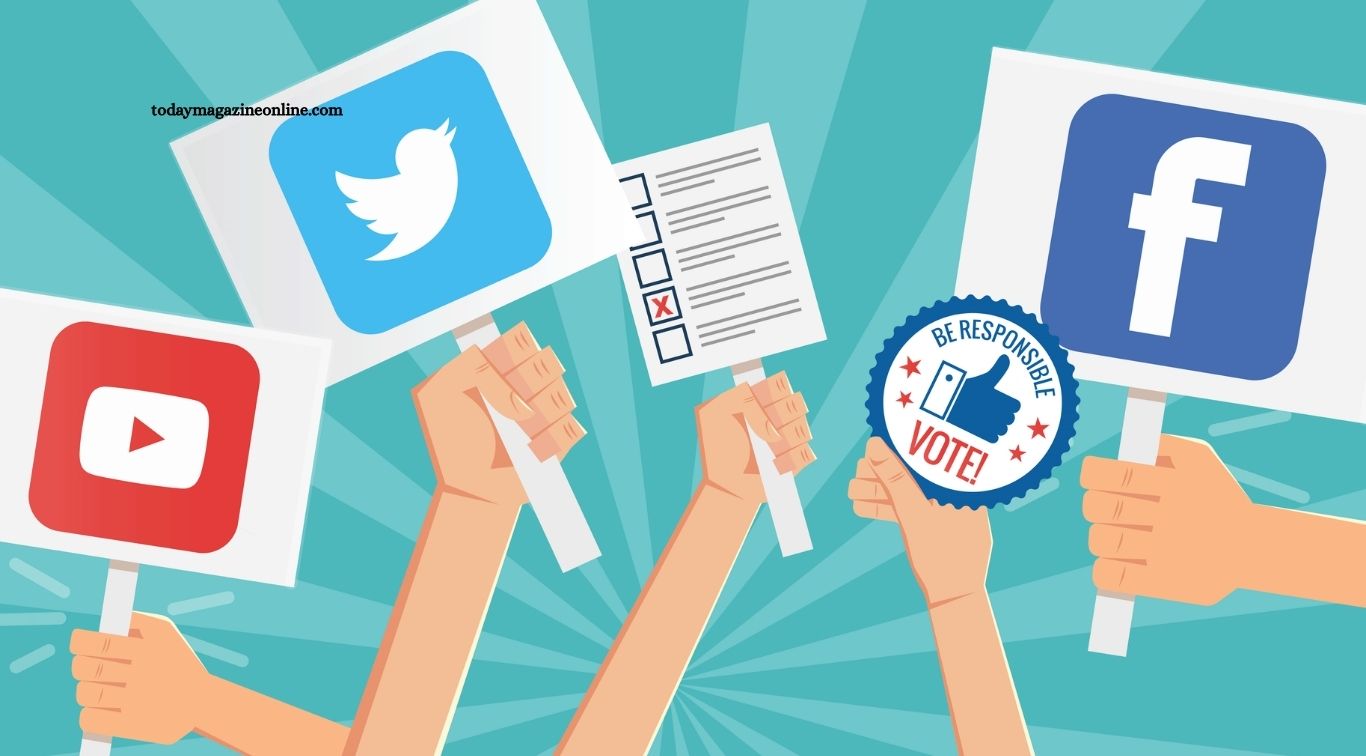
Social media has transformed modern politics by changing how political leaders, parties, journalists, activists, and citizens communicate. Platforms such as Facebook, X, Instagram, YouTube, and TikTok allow political messages to reach millions of people within seconds. Political campaigns now use social networks to build public support, share policies, respond to current events, and connect directly with voters.
At the same time, social media can spread misinformation, increase political polarization, and influence public opinion. Understanding the role of social media in modern politics is essential for understanding how political communication works today.
Read More: Understanding International Politics and Global Relations
Social Media Has Changed Political Communication
Traditional political communication depended heavily on television, newspapers, radio, and public meetings. Social media has created a faster and more interactive communication environment. Political figures can publish statements, videos, speeches, and campaign updates without depending entirely on traditional media organizations.
This direct communication allows politicians to speak to supporters immediately. Citizens can also respond through comments, shares, likes, and discussions. Political communication has therefore become more interactive, giving ordinary users a stronger role in public conversations.
Political Campaigns and Social Media
Social media has become an important part of modern election campaigns. Political parties use platforms to promote candidates, explain policies, announce events, and encourage supporters to participate.
Campaign teams can create different content for different audiences. Short videos may attract younger voters, while detailed posts can explain economic or social policies. Social media advertising also allows campaigns to reach specific groups based on interests, location, and online behavior.
A strong social media strategy can increase campaign visibility and help candidates maintain regular communication with voters.
Social Media Influences Public Opinion
Public opinion can develop quickly through social media. A political speech, controversial statement, or major event can become widely discussed within minutes. Hashtags, videos, comments, and viral posts can shape what people discuss and how they understand political issues.
However, popularity does not always mean accuracy. Content receiving thousands of likes or shares may contain incomplete or misleading information. Users should therefore evaluate political content carefully instead of accepting viral posts as facts.
Political Participation Has Become More Accessible
Social media has lowered barriers to political participation. People can discuss political issues, join online communities, support campaigns, share petitions, attend virtual events, and communicate with public figures.
Young people, in particular, can use social platforms to express opinions and participate in political discussions without attending traditional political meetings. This has created new forms of civic engagement and allowed political movements to organize audiences quickly.
Social Media and Political Activism
Activists use social media to raise awareness about political and social issues. A campaign can gain international attention through hashtags, videos, infographics, and personal stories.
Social platforms also make it easier for organizations to coordinate events and communicate with supporters. During major political or social movements, online networks can become important spaces for sharing information and encouraging participation.
The Problem of Political Misinformation
One of the biggest challenges associated with social media and politics is misinformation. False claims can spread rapidly because social platforms reward content that attracts attention and engagement.
Political misinformation may include manipulated images, misleading headlines, fabricated quotes, edited videos, or false claims about candidates and elections. Such content can confuse voters and damage trust in democratic institutions.
Media literacy has therefore become increasingly important. Users should check the source, compare information across reliable outlets, and avoid sharing unverified political claims.
Social Media Can Increase Political Polarization
Social media can connect people with others who share similar political opinions. While this can create supportive communities, it can also create information bubbles where users mainly encounter views that match their existing beliefs.
Recommendation algorithms may repeatedly present similar political content based on previous interactions. Over time, this can make political disagreements more intense and reduce exposure to different perspectives.
Healthy political discussion requires users to consider multiple viewpoints and distinguish disagreement from misinformation or personal attacks.
The Role of Political Leaders
Political leaders now use social media as an important communication channel. They can announce decisions, respond to criticism, share personal messages, and communicate during emergencies.
Social media also gives politicians opportunities to develop a more personal public image. Photos, short videos, live broadcasts, and behind-the-scenes content can make political figures appear more accessible.
However, constant online communication also creates risks. A poorly worded post can attract widespread criticism and remain available long after it was published.
Social Media and Political Journalism
Journalism has also changed because of social media. News organizations use social platforms to distribute breaking news, interviews, political analysis, and live updates.
Journalists can monitor statements from political leaders and track public reactions in real time. At the same time, the speed of social media creates pressure to publish quickly, increasing the importance of fact-checking and responsible reporting.
Social media should complement professional journalism rather than completely replace reliable news sources.
Data, Advertising, and Political Targeting
Political campaigns can use digital data to understand audiences and improve campaign communication. Online advertising can help campaigns reach specific demographic or interest groups with tailored messages.
Targeted political advertising raises important questions about privacy, transparency, and manipulation. Voters may receive different political messages based on information collected about their online behavior. Strong transparency standards and responsible data practices can help reduce potential abuse.
Benefits of Social Media in Politics
Social media offers several important benefits for modern political communication:
- Faster access to political information
- Direct communication between leaders and citizens
- Greater opportunities for civic participation
- Increased visibility for social movements
- Easier organization of political campaigns
- More opportunities for independent political voices
- Greater access to speeches, debates, and public discussions
These advantages show why social media has become a major part of political life.
Challenges of Social Media in Politics
Despite its benefits, social media creates several challenges. Misinformation, political manipulation, online harassment, polarization, privacy concerns, and algorithmic bias can negatively affect political discussions.
Another concern is unequal access to reliable information. People with limited digital literacy may find it difficult to distinguish trustworthy sources from misleading political content.
The solution is not simply to avoid social media. Better digital education, responsible platform policies, transparent political advertising, and stronger fact-checking practices can help create a healthier political environment.
The Future of Social Media and Politics
The relationship between social media and politics will continue to evolve as technology develops. Artificial intelligence, short-form video, livestreaming, and new digital platforms are likely to influence political communication even further.
Political organizations will continue experimenting with new ways to reach voters, while citizens will increasingly encounter political information through digital platforms. This makes media literacy, source verification, and responsible online behavior more important than ever.
Frequently Asked Questions
What is the role of social media in politics?
Social media helps politicians communicate with citizens, promote campaigns, influence public discussions, and encourage political participation.
How does social media influence elections?
It can influence elections by spreading campaign messages, reaching targeted audiences, shaping public discussions, and encouraging voter engagement.
Can social media spread political misinformation?
Yes. False or misleading political information can spread quickly through shares, recommendations, viral videos, and online discussions.
How does social media encourage political participation?
Users can discuss political issues, support campaigns, join movements, share information, and communicate with political organizations.
Does social media increase political polarization?
It can. Users may repeatedly encounter content that supports their existing opinions, potentially creating political echo chambers.
Why is social media important for modern politics?
Social media provides fast, direct, and interactive communication between political organizations, public figures, and citizens.
Conclusion
Social media has become a powerful force in modern politics. It has changed how politicians communicate, how campaigns reach voters, how citizens participate, and how political movements gain attention. At the same time, misinformation, polarization, privacy concerns, and political manipulation create serious challenges. The future of digital politics will depend on how governments, platforms, political organizations, journalists, and citizens respond to these challenges.

1 Comment
Pingback: Major Political Challenges Facing Governments Today - Today Magazine Online