

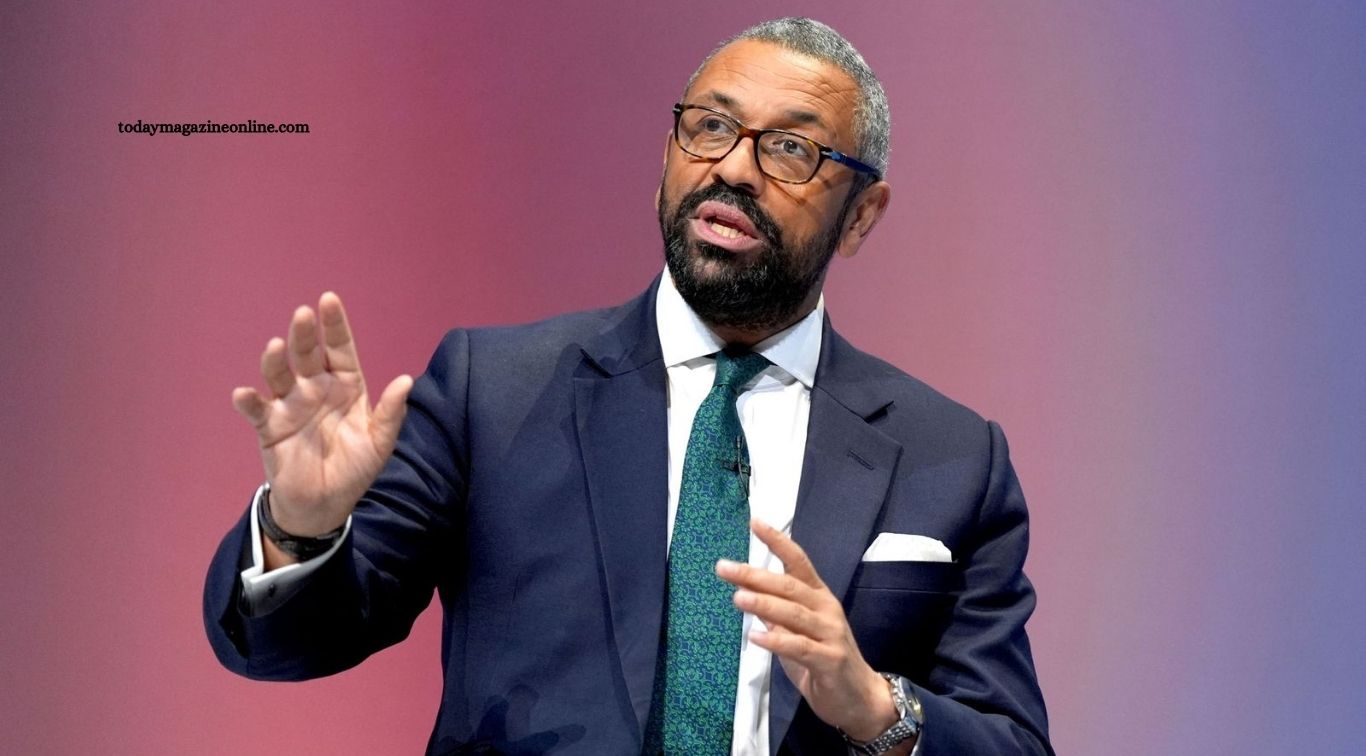
Political leadership plays an important role in shaping the direction of countries and influencing the lives of millions of people. Around the world, different leaders have faced challenges involving economic development, social change, international relations, public services, and national security. Their experiences provide valuable lessons about decision-making, responsibility, communication, and the importance of understanding citizens.
Political leadership does not follow one universal model. Effective leadership can take different forms depending on a country’s history, culture, institutions, and challenges. By examining leadership experiences from different parts of the world, governments and citizens can better understand the qualities that contribute to responsible, effective, and sustainable political leadership.
Read More: How Political Decisions Impact Businesses and Markets
The Importance of Vision in Political Leadership
Strong political leaders often begin with a clear vision for the future of their country. A meaningful vision can help governments establish priorities and communicate a direction that citizens can understand. Leaders who clearly explain their goals can create greater public awareness and encourage people to support long-term national development.
A political vision must also be connected to practical policies. Promising major changes without a realistic plan can reduce public confidence. Effective leaders balance ambition with achievable objectives and regularly evaluate whether government policies are producing meaningful results for society.
Learning from Crisis Management
Political leaders are often tested most seriously during crises. Natural disasters, economic downturns, public health emergencies, conflicts, and political instability can require governments to make difficult decisions under pressure. Strong crisis leadership involves quick action while maintaining clear communication and public confidence.
Leaders can learn from countries that have successfully managed difficult situations by studying how governments coordinated resources, communicated with citizens, and adjusted policies as circumstances changed. Crisis management demonstrates why preparation, transparency, expert advice, and institutional cooperation are important qualities of effective political leadership.
The Value of Listening to Citizens
Political leadership becomes more effective when leaders understand the concerns of the people they represent. Citizens have different experiences and priorities, and governments need reliable ways to understand these perspectives. Public consultations, community engagement, independent research, and open communication can help leaders make more informed decisions.
Listening does not mean agreeing with every demand. Responsible leaders must consider different opinions while balancing individual interests with broader national priorities. Governments that create opportunities for constructive public participation can strengthen trust and develop policies that better reflect the needs of society.
Building Trust Through Transparency
Trust is one of the most important foundations of effective political leadership. Citizens are more likely to support institutions when governments communicate openly about policies, challenges, spending, and decisions. Transparency can also make it easier for the public to understand why difficult choices are being made.
Political leaders can damage public confidence when information is hidden, or communication is inconsistent. International experiences show that accountability, access to information, ethical standards, and responsible communication can strengthen democratic institutions and improve relationships between governments and citizens.
Economic Leadership and Long-Term Planning
Economic development is a major responsibility for political leaders. Governments need to consider employment, investment, infrastructure, education, innovation, and financial stability when developing national economic strategies. Countries that focus on long-term planning can create stronger foundations for sustainable development.
Economic leadership also requires flexibility because global markets and economic conditions can change quickly. Successful governments need to respond to new challenges while maintaining clear long-term objectives. Balancing immediate economic needs with future development can help countries build greater resilience.
The Role of Education in National Development
Education is frequently connected with long-term economic and social progress. Political leaders who invest in quality education can help develop a skilled workforce and create opportunities for future generations. Strong education systems can also support innovation, research, entrepreneurship, and social mobility.
Different countries have used different approaches to improve education, but a common lesson is that investment must go beyond building schools. Teacher training, modern learning resources, equal access, digital skills, and practical education can all contribute to stronger outcomes. Political leaders need to treat education as a long-term national investment rather than a short-term policy.
Adapting to Technological Change
Technology is transforming government, communication, business, and everyday life. Political leaders need to understand how technologies such as artificial intelligence, digital services, automation, and data systems can influence society. Governments that adapt responsibly can improve public services and make interactions with citizens more efficient.
Technological progress also creates new responsibilities. Governments must consider privacy, cybersecurity, misinformation, digital inequality, and ethical concerns when introducing new technologies. Effective political leadership involves encouraging innovation while ensuring that technological development serves the public interest.
Leadership During Social Change
Societies constantly change as demographics, cultural attitudes, economic conditions, and technology evolve. Political leaders need to understand these changes and create policies that support social stability while allowing communities to develop. Leaders who ignore major social shifts may struggle to maintain public confidence.
Successful political leadership requires balancing different perspectives and encouraging constructive dialogue. Governments can help societies manage change by protecting fundamental rights, supporting equal opportunities, and creating institutions where disagreements can be addressed peacefully. Social cohesion becomes particularly important during periods of rapid transformation.
The Importance of International Cooperation
Modern political challenges often extend beyond national borders. Climate change, international trade, migration, security, public health, and technological development require cooperation between countries. Political leaders therefore need strong diplomatic skills and an understanding of international relationships.
International cooperation does not mean that countries must always agree. Effective leadership involves protecting national interests while finding areas where cooperation can create shared benefits. Diplomacy, negotiation, cultural understanding, and long-term relationships can help countries address challenges that cannot be solved independently.
Ethical Leadership and Accountability
Ethical leadership is essential for maintaining public confidence in political institutions. Leaders have significant authority and influence, making responsible use of power particularly important. Integrity, accountability, fairness, and respect for institutions can help create a political environment where citizens have greater confidence in government.
Accountability also means accepting responsibility when policies fail or mistakes occur. Political leaders who acknowledge problems and work toward solutions can demonstrate maturity and responsibility. Strong institutions should support accountability by ensuring that political power remains subject to laws, oversight, and established democratic processes.
What Future Political Leaders Can Learn
The experiences of political leaders around the world demonstrate that effective leadership requires more than popularity or authority. Vision, communication, adaptability, integrity, and the ability to listen are important qualities for leaders facing complex national and international challenges. Political leadership also requires the ability to work with institutions and people who may hold different views.
Future leaders can learn by studying both successful decisions and political failures. Understanding why certain policies worked in one country but failed in another can provide valuable insight into the importance of local conditions and institutional structures. The strongest lesson is that responsible leadership should focus on long-term public value rather than short-term political advantages.
Frequently Asked Questions
What makes an effective political leader?
An effective political leader combines vision, integrity, communication skills, accountability, adaptability, and a strong understanding of public needs.
Why is political leadership important?
Political leadership influences government policies, economic development, public services, national stability, and a country’s long-term direction.
What can leaders learn from other countries?
Leaders can learn about crisis management, economic planning, public participation, education, technology, diplomacy, and institutional development.
Why is transparency important in politics?
Transparency helps citizens understand government decisions and can strengthen public trust and institutional accountability.
How does technology affect political leadership?
Technology can improve public services and communication while creating new challenges involving privacy, cybersecurity, misinformation, and digital access.
What is the most important lesson for future leaders?
Future leaders should focus on responsible decision-making, long-term public value, citizen needs, institutional strength, and ethical use of political power.
Conclusion
Political leadership lessons from around the world show that effective governance depends on vision, accountability, communication, adaptability, and public trust. Countries face different circumstances, but many leadership challenges are shared across borders. Learning from international experiences can help leaders understand how to respond to crises, manage economic change, improve public services, and strengthen institutions. The future of political leadership will require leaders who can combine traditional principles of responsibility with an understanding of modern challenges.

1 Comment
Pingback: The Growing Influence of Technology in Politics - Today Magazine Online