

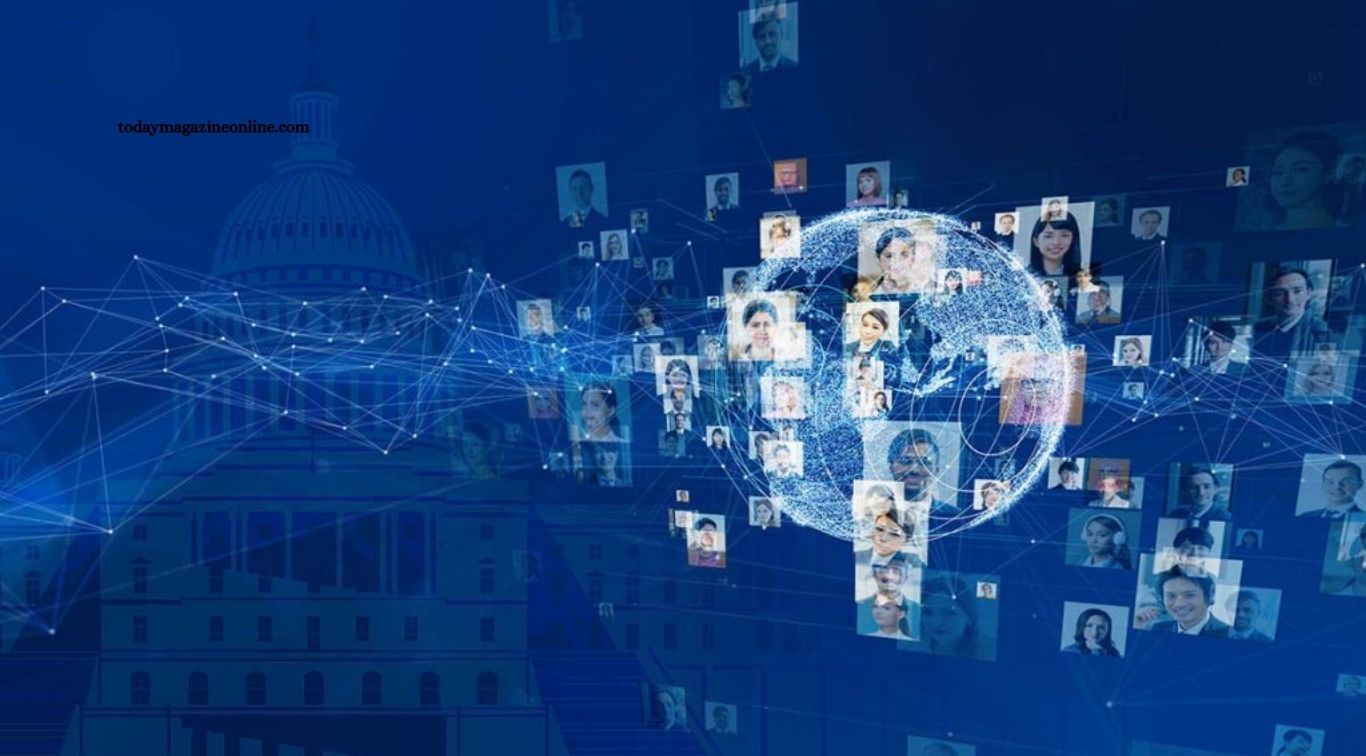
Technology has become a powerful force in modern politics, changing how governments, political parties, candidates, and citizens communicate. From social media platforms and online news to artificial intelligence and data analytics, digital tools now influence political campaigns, public discussions, elections, and government services. Political communication has become faster, more direct, and more accessible than ever before.
The growing influence of technology in politics has created new opportunities for public participation while also introducing challenges. Citizens can quickly access political information, communicate with leaders, and express their opinions online. At the same time, misinformation, privacy concerns, cyber threats, and AI-generated content can affect public trust. Understanding these changes is important for anyone interested in modern democracy and political communication.
Read More: Political Leadership Lessons from Around the World
How Technology Is Changing Political Communication
Social media has transformed the relationship between politicians and the public. Platforms such as Facebook, Instagram, YouTube, TikTok, and X allow political figures to communicate with millions of people without relying entirely on traditional newspapers or television. Candidates can share speeches, policy announcements, campaign updates, and personal messages directly with their audiences.
This direct communication also allows political discussions to spread quickly. A single post, video, or statement can reach thousands or millions of people within a short period. Political campaigns increasingly focus on creating engaging digital content because online attention can influence public awareness, campaign visibility, and voter engagement.
Social Media and Political Campaigns
Social media has become an important part of modern political campaigns. Political parties use digital platforms to promote candidates, explain policies, respond to criticism, and connect with different groups of voters. Campaign teams can also study online engagement to understand which topics attract public attention.
Digital campaigns can be more flexible than traditional advertising. Political organizations can publish content quickly, target specific audiences, and adjust their communication strategies based on public responses. This has made technology an important tool for election campaigns around the world.
The Role of Artificial Intelligence in Politics
Artificial intelligence is creating another major shift in political communication. AI can help political organizations analyze large amounts of information, identify trends, organize campaign data, and create digital content. It can also support research and help campaign teams understand public concerns.
However, AI brings serious challenges to politics. Deepfakes, AI-generated images, synthetic voices, and misleading videos can make it difficult for people to distinguish authentic information from manipulated content. Responsible use of artificial intelligence is therefore essential for protecting public trust and maintaining reliable political communication.
Technology and Voter Engagement
Technology has made political participation easier for many people. Citizens can learn about candidates, compare political positions, watch debates, read election updates, and communicate with representatives through digital platforms. Young voters, in particular, often encounter political information through social media and online video platforms.
Online communities can also encourage people to discuss political issues and participate in campaigns. Digital tools give ordinary citizens more opportunities to share opinions and organize around issues they consider important. This can strengthen civic engagement when information is accurate, and discussions remain respectful.
Data Analytics and Political Decision-Making
Political organizations increasingly use data analytics to understand voter behavior and public opinion. Large datasets can reveal patterns related to demographics, interests, online activity, and political preferences. Campaign teams can use these insights to improve communication and focus resources more effectively.
Data-driven politics can make campaigns more organized, but it also raises questions about privacy and transparency. People may not always know how their personal information is collected or used for political purposes. Strong privacy protections and responsible data practices are important as political organizations become more dependent on digital information.
Technology and Government Services
The influence of technology extends beyond elections and political campaigns. Governments are using digital platforms to provide public services, publish information, collect feedback, and communicate with citizens. Online portals can make government services faster and more convenient while reducing the need for physical visits.
Digital government can also improve transparency by making public information easier to access. Citizens can follow government announcements, review policies, and communicate with public institutions online. Effective digital services can create a closer connection between governments and the communities they serve.
The Problem of Political Misinformation
One of the biggest challenges created by technology is the rapid spread of misinformation. False claims, edited videos, misleading headlines, and fabricated stories can spread across social media within minutes. Political misinformation can influence public opinion and create confusion during important elections or national events.
Improving digital literacy is one way to address this problem. Citizens should evaluate sources, check claims against reliable information, and avoid sharing questionable content without verification. Technology companies, governments, journalists, and users all have roles to play in creating a healthier digital information environment.
Cybersecurity and Elections
As political systems become more digital, cybersecurity has become increasingly important. Election databases, political websites, campaign systems, and government networks can become targets for cyberattacks. A successful attack can disrupt services, expose sensitive information, or damage public confidence.
Political organizations need strong cybersecurity practices to protect digital infrastructure. Regular security updates, employee training, secure authentication, data protection, and effective monitoring can reduce digital risks. Election security is especially important because public confidence depends on the integrity and reliability of democratic processes.
The Future of Technology in Politics
Technology will continue to influence politics as digital platforms, artificial intelligence, data analytics, and communication tools develop. Future political campaigns may rely more heavily on personalized digital communication, AI-supported research, virtual events, and real-time public sentiment analysis.
The future will bring both opportunities and challenges. Technology can make political communication more accessible and encourage greater participation, but it can also create new risks involving misinformation, privacy, manipulation, and cybersecurity. Finding a responsible balance between innovation and democratic values will be essential.
Frequently Asked Questions
How does technology influence politics?
Technology improves political communication, campaign strategies, voter engagement, government services, and access to information.
What role does social media play in politics?
Social media helps politicians connect directly with voters, share campaign messages, discuss policies, and reach large audiences quickly.
How does AI affect politics?
AI can analyze political data, support campaigns, create content, and identify trends, but it can also contribute to deepfakes and misinformation.
Can technology increase voter engagement?
Yes, digital platforms make it easier for citizens to access political information, discuss issues, and participate in political activities.
What are the risks of technology in politics?
Major risks include misinformation, privacy violations, cyberattacks, online manipulation, and the spread of AI-generated fake content.
What is the future of technology in politics?
Technology will likely play an even larger role through AI, data analytics, digital campaigns, online government services, and advanced communication tools.
Conclusion
The growing influence of technology in politics has changed how political leaders communicate, how campaigns operate, and how citizens participate in public life. Social media, artificial intelligence, data analytics, and digital government services have created new ways to connect people with political institutions and information. At the same time, technology requires responsible use. Misinformation, privacy concerns, AI manipulation, and cyber threats can weaken public trust when they are not properly addressed.

1 Comment
Pingback: Democracy and Governance: What You Need to Know - Today Magazine Online