

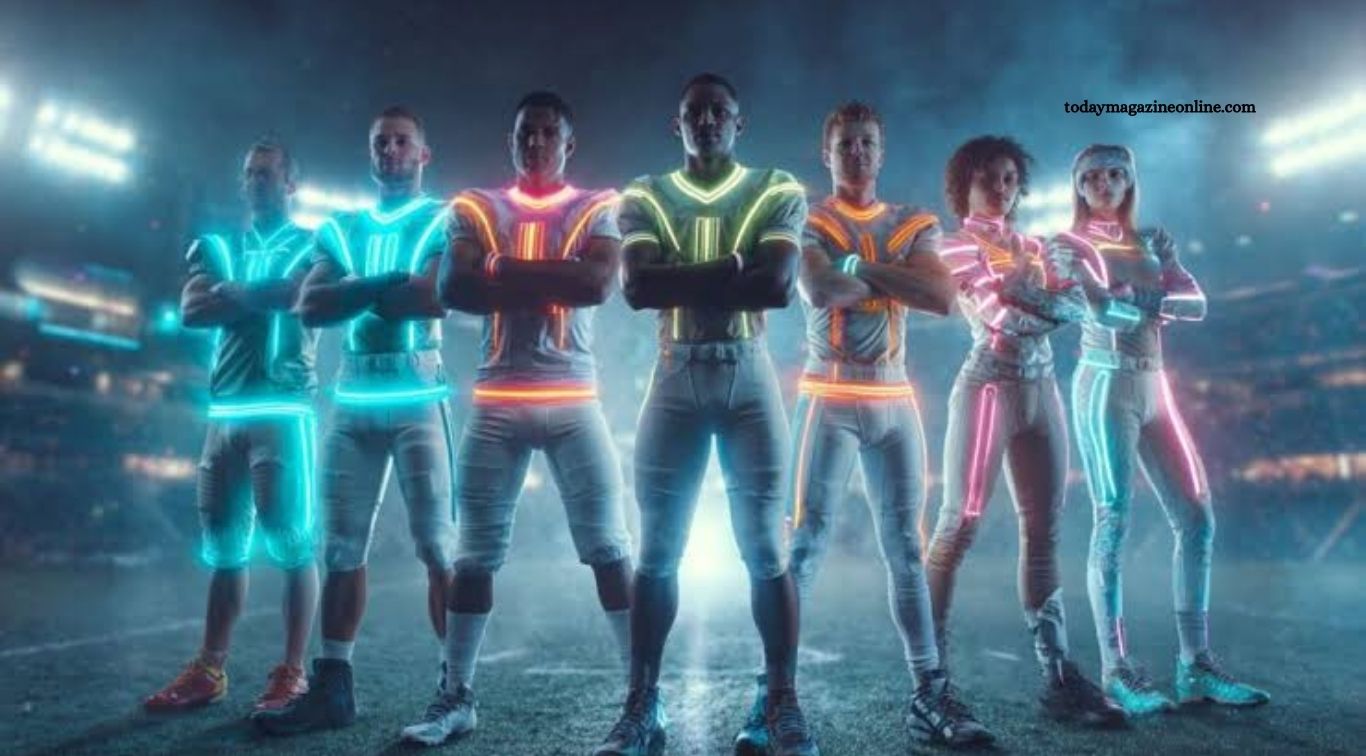
Sports continue to evolve rapidly, and 2026 is bringing new experiences for fans, athletes, teams, and leagues. Technology, changing fan habits, innovative training methods, and digital entertainment are reshaping how people watch and enjoy sports. From AI-powered analysis to immersive viewing experiences, modern sports are becoming more connected and interactive than ever.
Following the latest sports trends helps fans understand how the industry is changing while discovering new ways to enjoy their favorite games. Whether you follow football, cricket, basketball, tennis, esports, or other competitions, these major sports trends are worth watching throughout 2026.
Read More: Why Political Awareness Matters More Than Ever
AI and Data Analytics in Sports
Artificial intelligence is becoming an important part of modern sports. Teams and coaches are using advanced data analysis to study player performance, identify patterns, improve tactics, and support training decisions. AI tools can process large amounts of match data quickly, helping sports organizations gain deeper insights into performance.
For fans, data-driven sports create a more detailed viewing experience. Advanced statistics, player ratings, predictive analysis, and real-time match information can help viewers understand what is happening during a game beyond the traditional scoreboard.
More Immersive Sports Viewing
Sports broadcasting is moving beyond traditional television coverage. Fans are increasingly experiencing games through streaming platforms, interactive broadcasts, mobile applications, and immersive digital features. These technologies make it easier to follow matches from almost anywhere.
Virtual reality and augmented reality are also creating new possibilities for sports entertainment. Fans may experience virtual stadium environments, interactive statistics, alternative camera angles, and other digital features that make watching a match more engaging.
Growth of Women’s Sports
Women’s sports continue to attract greater attention from fans, broadcasters, sponsors, and major sports organizations. Growing audiences and stronger commercial opportunities are helping women’s competitions reach new markets and gain wider visibility.
The trend is also influencing sports media and sponsorship strategies. More coverage, professional investment, improved facilities, and stronger digital promotion are creating opportunities for female athletes and helping fans discover new competitions.
Rise of Esports and Competitive Gaming
Esports remains a major part of the global sports and entertainment landscape. Competitive gaming attracts dedicated communities, professional players, major tournaments, and large digital audiences. Improvements in streaming technology are making esports events easier for fans to follow across different platforms.
The relationship between traditional sports and gaming is also becoming stronger. Professional teams and athletes are increasingly involved with gaming content, esports organizations, simulations, and digital competitions, creating new ways for sports fans to engage with their favorite brands.
Personalized Sports Content
Sports fans now expect content that matches their interests. Instead of depending only on scheduled television broadcasts, viewers can follow specific players, teams, competitions, highlights, interviews, and statistics through digital platforms.
Personalized recommendations are making this experience even more convenient. Streaming services and sports applications can use viewing behavior to provide relevant content, allowing fans to spend less time searching and more time following the sports they enjoy.
Social Media Sports Communities
Social media has become an essential part of the modern fan experience. Match reactions, short highlights, player updates, behind-the-scenes content, interviews, memes, and fan discussions can spread across platforms within minutes.
Athletes and teams are also using social platforms to communicate directly with supporters. This creates stronger digital communities and gives fans access to content that may not appear during traditional sports broadcasts.
Wearable Technology for Athletes
Wearable technology is changing how athletes train and monitor performance. Smartwatches, fitness trackers, motion sensors, and other devices can provide information about movement, workload, recovery, and training intensity.
The growing use of these technologies supports more personalized training approaches. Coaches and performance teams can use collected information alongside professional expertise to understand athlete workloads and make informed adjustments to training programs.
Smarter Stadium Experiences
Sports venues are becoming increasingly connected. Digital ticketing, mobile services, cashless payments, stadium applications, interactive screens, and improved connectivity are changing the experience of attending live events.
Smart stadium technology can also make it easier for fans to access information during a match. Real-time statistics, food and merchandise services, navigation features, and digital entertainment can create a smoother experience from entry to the final whistle.
Sustainable Sports Events
Sustainability is becoming an increasingly visible issue across the sports industry. Stadiums, tournaments, teams, and event organizers are exploring ways to reduce waste, improve energy efficiency, manage transportation, and use resources more responsibly.
Environmental initiatives can influence everything from stadium construction to event operations. As fans become more interested in sustainability, sports organizations are finding new ways to connect environmental responsibility with major sporting events.
Advanced Athlete Recovery
Athlete recovery is receiving more attention as sports become increasingly competitive. Professional teams are exploring advanced recovery methods, sleep monitoring, nutrition strategies, physiotherapy, and technology-assisted approaches to help athletes manage demanding schedules.
Recovery is not limited to professional athletes. Fitness enthusiasts and amateur players are also adopting accessible tools for tracking sleep, monitoring workouts, improving nutrition, and managing training intensity. This makes sports science increasingly relevant to everyday fitness.
Short-Form Sports Content
Short-form video has transformed sports content consumption. Fans can watch match highlights, key moments, player skills, interviews, and analysis through short videos instead of viewing an entire event.
This trend is particularly important for younger digital audiences. Short videos can introduce new fans to players and competitions while giving established supporters quick updates during busy schedules.
Global Growth of Sports Fandom
Sports fandom is becoming increasingly global because digital platforms make international competitions easier to follow. A fan can support a team or athlete from another country without regularly attending matches in person.
International broadcasting, social media, streaming services, and digital communities are helping sports organizations build audiences across borders. This global connection is creating new opportunities for leagues, athletes, sponsors, and fans.
Frequently Asked Questions
What is the biggest sports trend in 2026?
AI-powered analytics, immersive viewing, and personalized sports content are major trends in 2026.
How is AI changing sports?
AI helps teams analyze performance, improve tactics, and understand large amounts of sports data.
Are women’s sports growing in popularity?
Yes, women’s sports are gaining wider audiences, stronger media coverage, and increased commercial investment.
Why are esports becoming more popular?
Esports offer competitive entertainment, global tournaments, streaming access, and highly engaged online communities.
How is technology improving stadium experiences?
Smart stadiums use digital tickets, mobile services, real-time information, and improved connectivity.
Why should fans follow sports trends?
Following sports trends helps fans discover new technologies, competitions, viewing experiences, and ways to engage with sports.
Conclusion
Sports in 2026 are becoming more connected, digital, interactive, and data-driven. AI analytics, wearable technology, immersive viewing, women’s sports, esports, personalized content, and smart stadiums are changing how fans experience competitions. Keeping up with these sports trends allows fans to discover new ways to follow athletes, teams, and major events.

1 Comment
Pingback: Best Sports Training Tips to Improve Performance - Today Magazine Online