

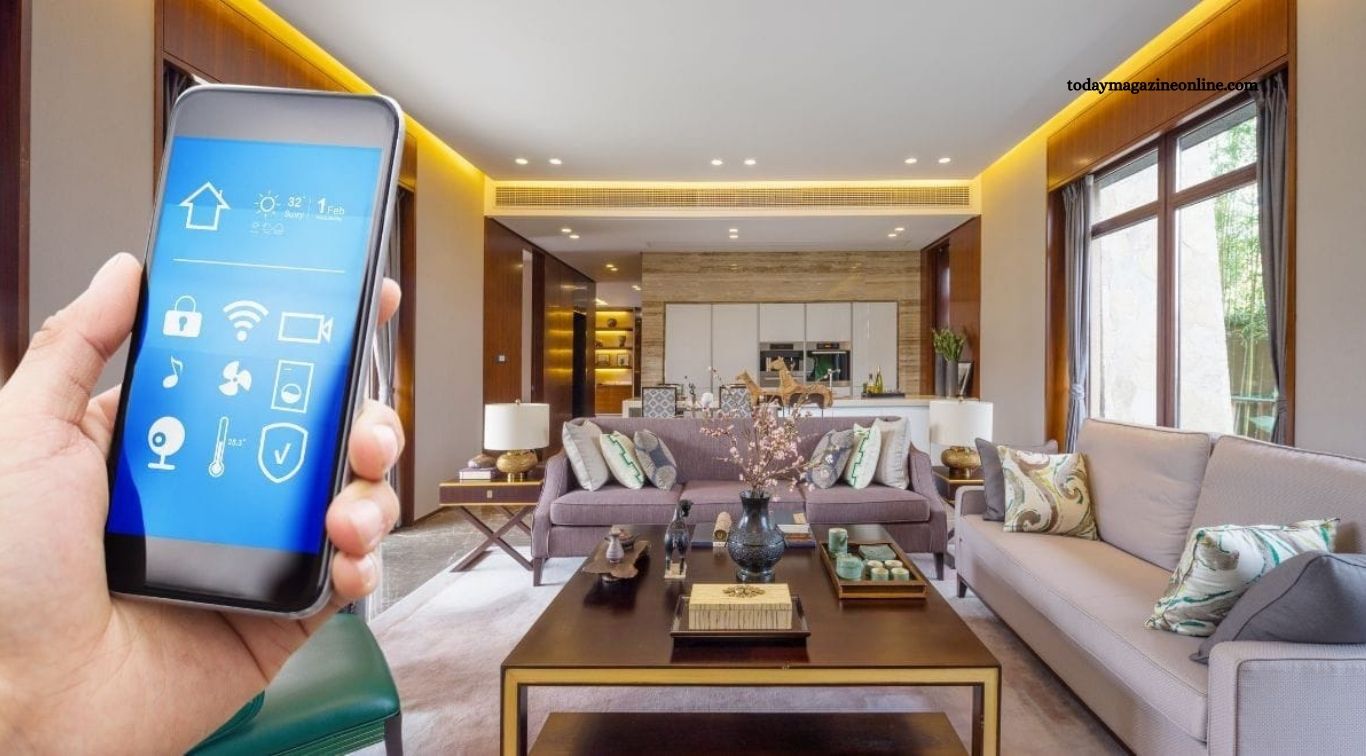
Smart technology is changing how people manage, secure, and enjoy their homes. From intelligent lighting and connected thermostats to voice-controlled assistants and automated security systems, modern devices make everyday tasks easier and more convenient. Instead of operating each device separately, homeowners can connect multiple systems through a shared network and control them using smartphones, voice commands, or automated routines.
The growth of smart home technology is creating living spaces that respond to people’s habits, schedules, and preferences. Connected devices can help reduce energy waste, improve home security, and simplify daily routines. As technology becomes more accessible, understanding how smart devices work together can help homeowners build a comfortable, efficient, and reliable connected home.
Read More: Emerging Tech Solutions Businesses Are Adopting
What Is Smart Home Technology?
Smart home technology uses internet-connected devices, sensors, software, and automation systems to control household functions. These devices may include smart bulbs, thermostats, door locks, cameras, appliances, and voice assistants. Homeowners can manage many of these products through mobile applications or compatible smart home platforms, allowing them to adjust settings even when they are away from home.
A connected home works best when devices communicate through compatible systems and follow clearly defined routines. For example, a motion sensor can trigger hallway lights, while a smart thermostat adjusts the temperature according to a schedule. Some devices communicate through Wi-Fi, Bluetooth, Thread, or other technologies. Choosing compatible products helps create a more reliable system and reduces the need to manage several disconnected applications.
How Smart Devices Connect
Smart devices connect through home networks and communication standards that allow them to exchange information or respond to commands. Wi-Fi is common for cameras, appliances, and devices that need internet access, while Bluetooth often supports nearby connections. Other technologies, such as Thread and Zigbee, can help compatible devices communicate through low-power networks, sometimes using a dedicated hub or border router.
Smart home platforms bring compatible products together under one control system. Standards such as Matter are designed to improve interoperability among supported devices from different manufacturers. However, compatibility still depends on the product, its features, software version, and platform support. Before buying new equipment, check whether it works with your existing ecosystem and whether the functions you need are supported across all connected devices.
Voice Assistants Make Home Control Easier
Voice assistants allow homeowners to control compatible devices through spoken commands. Instead of opening an application or using a physical switch, users can ask an assistant to turn off the lights, adjust the thermostat, play music, or check the status of supported smart devices. This hands-free approach can make everyday routines more convenient, particularly when people are cooking, carrying items, or moving around the house.
Voice control can also connect multiple actions into a single routine. For example, a command such as “good night” could switch off selected lights, lower the thermostat, and activate compatible security settings. The exact functions depend on the assistant and connected products. Homeowners should review microphone permissions, voice recording settings, and access controls to make sure convenience does not come at the expense of privacy.
Smart Lighting Creates Flexible Living Spaces
Smart lighting allows users to adjust brightness, color, and schedules through mobile applications, voice assistants, or automation rules. Connected bulbs, switches, and motion sensors can help create different lighting settings for work, relaxation, entertainment, and bedtime. Some systems can gradually brighten a room in the morning or switch off unused lights after a specified period.
Beyond convenience, smart lighting can help reduce unnecessary electricity use when configured properly. Scheduling lights and using motion sensors in suitable areas can prevent them from remaining on when rooms are empty. Energy savings depend on the equipment, usage patterns, and electricity consumption of the connected system. Homeowners should also check whether smart bulbs require switches to remain powered and whether their network supports reliable control.
Smart Thermostats Improve Comfort and Energy Efficiency
Smart thermostats help homeowners manage indoor temperatures through schedules, sensors, and remote controls. Depending on the model and heating or cooling system, they may learn preferred settings, respond to occupancy, or adjust temperatures according to programmed routines. Users can often change settings from a smartphone instead of waiting until they return home.
These devices may help reduce energy waste by avoiding unnecessary heating or cooling when a house is empty. However, savings vary according to climate, insulation, equipment efficiency, household habits, and thermostat configuration. Before purchasing one, confirm compatibility with your heating and cooling system. Proper installation and sensible temperature schedules are important for maintaining comfort while making efficient use of energy.
Connected Security Systems Protect Modern Homes
Smart security technology includes video doorbells, cameras, motion sensors, connected locks, and alarm systems. These devices can send alerts when they detect movement, show live video, or allow homeowners to check doors remotely. Some systems also support temporary access codes for trusted visitors, making it easier to manage entry without distributing physical keys.
A connected security system should combine convenience with strong privacy and account protection. Use unique passwords, enable multifactor authentication where available, install software updates, and restrict access to trusted users. Review video storage and sharing settings before activating cameras, particularly in areas where other people expect privacy. Smart devices can improve awareness, but they should not replace appropriate physical security measures or emergency procedures.
Smart Appliances Simplify Everyday Tasks
Connected appliances can make household routines easier by providing remote controls, notifications, and automated functions. Depending on the product, homeowners may be able to monitor a washing machine cycle, check a refrigerator’s status, schedule a robot vacuum, or receive alerts when an appliance needs attention. These features can reduce the need to check devices manually throughout the day.
The benefits depend on whether the connected features solve a genuine household problem. Some smart appliances offer useful diagnostics and scheduling, while others provide limited advantages over traditional models. Compare energy consumption, repair costs, software support, and essential functions before making a purchase. Reliable appliances with useful connected features are generally more practical than products selected only because they offer an internet connection.
Smart Home Automation Saves Time
Home automation connects devices through routines that run automatically when certain conditions are met. A morning routine might gradually turn on selected lights, adjust the thermostat, and start a compatible coffee machine. Another routine could switch off unnecessary devices when everyone leaves home or activate selected lights when motion is detected after dark.
Automation can make a connected home feel more responsive without requiring constant interaction. However, effective routines need careful setup and occasional testing. Sensors may detect movement incorrectly, schedules can become outdated, and internet outages may affect cloud-dependent functions. Start with a few simple automations, observe how they work, and adjust the settings before adding more complex rules. This approach helps prevent frustrating or unexpected device behavior.
The Role of Artificial Intelligence in Smart Homes
Artificial intelligence is helping some smart home devices respond more intelligently to patterns, commands, and environmental changes. Depending on the product, AI-powered features may improve voice recognition, identify objects in camera footage, optimize certain energy settings, or suggest adjustments based on repeated usage. These capabilities can reduce manual work and make some connected systems more adaptive.
AI features vary widely, and not every smart device uses advanced artificial intelligence. Some functions rely on simple schedules or motion detection rather than learning systems. Homeowners should understand what data a product collects, where processing takes place, and whether cloud services are required. Evaluate AI features according to their practical value, privacy controls, and reliability instead of assuming that greater automation always produces better results.
Privacy and Security Challenges in Connected Homes
Connected homes collect different types of information, including device settings, activity logs, voice commands, and camera footage. If accounts or devices are poorly protected, unauthorized users may gain access to sensitive data or connected functions. Products that no longer receive security updates can also create risks, particularly when they remain connected to the home network for years.
Homeowners can reduce these risks by purchasing devices from reputable manufacturers, using strong and unique passwords, enabling multifactor authentication, and installing updates promptly. Disable features you do not need, review application permissions, and check how long manufacturers retain data. A separate network for smart devices may provide additional isolation when supported by your router. Privacy should be considered during product selection, not only after the devices have been installed.
How to Build an Affordable Smart Home
Building a smart home does not require replacing every household appliance or purchasing an expensive central system. Begin with devices that solve clear problems, such as smart bulbs for scheduled lighting, a compatible thermostat for temperature control, or a video doorbell for monitoring the entrance. A small collection of useful products can provide meaningful benefits without creating unnecessary complexity.
Before buying equipment, choose a preferred smart home platform and confirm that new devices will work with it. Compare total costs, including hubs, subscriptions, installation, and possible network upgrades. Start with one room or a single routine, then expand as your needs become clearer. This gradual approach helps you learn how the technology works while avoiding purchases that offer little practical value.
The Future of Connected Modern Homes
Smart home technology is likely to become more integrated as manufacturers improve device compatibility, automation, energy management, and local control options. Better interoperability could make it easier for products from different brands to work together, while improved sensors may help systems respond more accurately to occupancy and environmental conditions. Energy monitoring and connected appliances may also support more informed household decisions.
Future developments will need to address affordability, long-term software support, privacy, and reliability. A home filled with connected devices is not necessarily better than one with a few well-chosen systems. The most useful innovations will be those that solve everyday problems, remain easy to manage, and protect homeowners’ information. Thoughtful design and dependable performance will remain essential as connected living continues to evolve.
Frequently Asked Questions
What is a smart home?
A smart home uses connected devices and automation to manage functions such as lighting, temperature, appliances, and security.
Do smart home devices need Wi-Fi?
Not always. Some use Bluetooth, Thread, Zigbee, or other communication methods, although internet access is required for many remote features.
Can smart home technology save energy?
Yes, some devices can reduce unnecessary energy use through scheduling and automation. Actual savings depend on usage and equipment.
Are smart home devices secure?
They can be secure when properly configured, updated, and protected with strong passwords and suitable access controls.
Can different brands of smart devices work together?
Yes, if the devices and platforms support compatible standards or integrations. Always verify specific features before purchasing.
How can I start building a smart home on a budget?
Start with a few affordable devices that solve everyday problems, check compatibility, and expand your setup gradually.
Conclusion
Smart technology is connecting modern homes by bringing lighting, security, climate control, appliances, and automation into more unified systems. These tools can improve convenience, support energy efficiency, and help homeowners manage daily routines with less effort. The best results come from choosing compatible products, protecting personal information, and focusing on features that provide real value. As connected technology advances, well-planned smart homes can become more comfortable, efficient, and responsive without sacrificing privacy or simplicity.

1 Comment
Pingback: New Internet Trends Shaping the Digital Experience - Today Magazine Online