

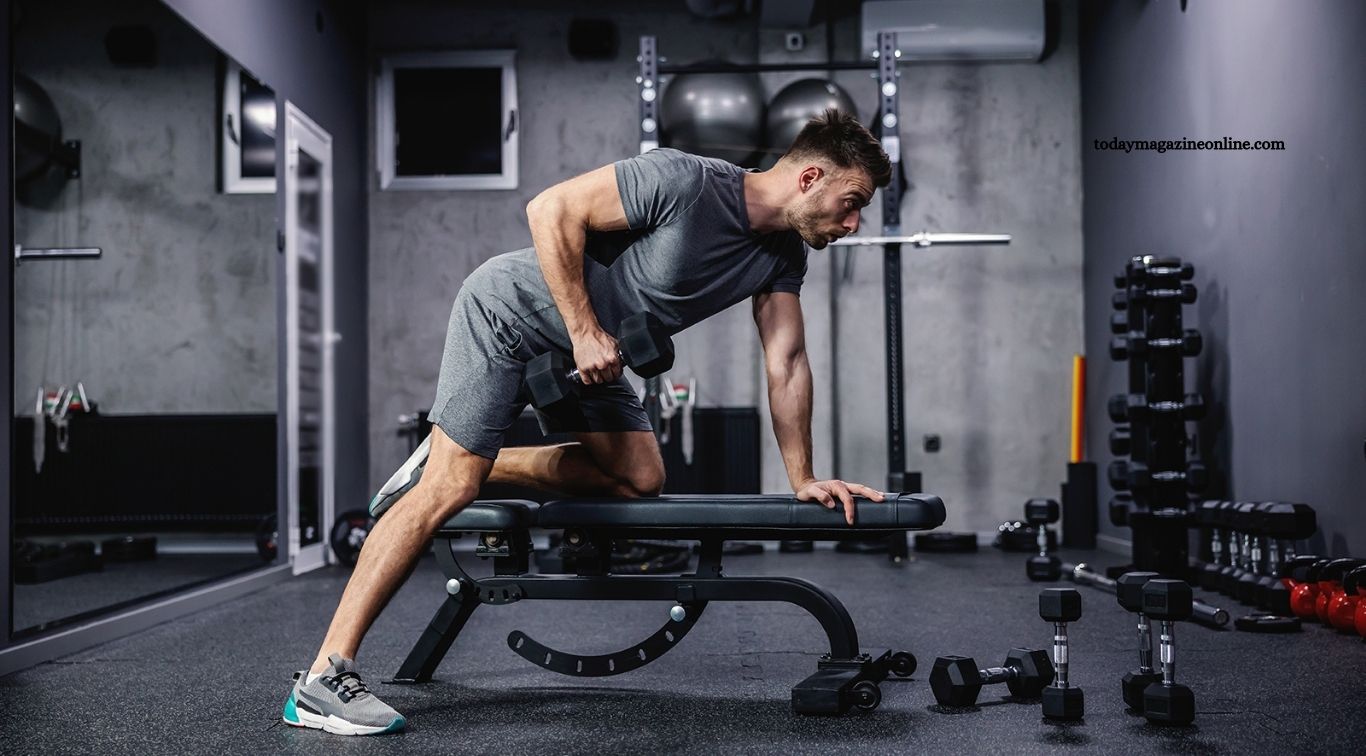
Improving sports performance requires more than natural talent. Athletes need consistent training, proper recovery, balanced nutrition, mental focus, and smart planning to reach their potential. Whether you are a beginner or an experienced athlete, the right training approach can improve strength, speed, endurance, coordination, and overall performance.
A successful training routine should match your sport, fitness level, and personal goals. Instead of focusing only on intense workouts, combine different training methods and give your body enough time to recover. Here are some practical sports training tips that can help you train smarter and perform better.
Read More: Top Sports Trends Every Fan Should Follow in 2026
Set Clear Performance Goals
Start your training with clear and measurable goals. Decide whether you want to improve speed, strength, stamina, flexibility, technique, or overall fitness. Specific goals make it easier to create a training plan and track your progress over time.
Break larger goals into smaller targets. For example, an athlete preparing for a running event can focus on improving running distance, pace, and endurance gradually. Regular progress checks can help identify improvements and areas that need more attention.
Build a Consistent Training Routine
Consistency is one of the most important factors in athletic development. Training occasionally may provide temporary improvements, but a structured routine creates long-term progress. Schedule workouts throughout the week and maintain a balance between challenging sessions and recovery days.
Avoid increasing training volume too quickly. Gradual progression allows the body to adapt while reducing unnecessary strain. A well-planned routine should include sport-specific practice, strength exercises, conditioning, mobility work, and rest.
Improve Strength and Power
Strength training can support athletic performance by developing stronger muscles and improving movement control. Exercises such as squats, lunges, push-ups, rows, and controlled resistance movements can strengthen major muscle groups.
Power training focuses on producing force quickly, which is important in sports involving jumping, sprinting, throwing, and rapid changes of direction. Once proper movement technique is established, athletes can include suitable explosive exercises under qualified guidance.
Focus on Speed and Agility
Speed and agility are essential for many sports. Sprint drills, acceleration exercises, lateral movements, cone drills, and controlled direction changes can help athletes develop faster movement and better coordination.
Quality matters more than simply performing drills at high volume. Maintain proper technique and allow sufficient recovery between intense repetitions. This helps keep movements sharp and reduces fatigue-related technique problems.
Develop Cardiovascular Endurance
Good cardiovascular fitness helps athletes maintain performance during longer training sessions and competitions. Running, cycling, swimming, rowing, and sport-specific conditioning can improve aerobic capacity.
Include both steady-state and interval-based conditioning when appropriate for your sport. High-intensity intervals can help develop the ability to repeatedly perform demanding efforts, while moderate continuous exercise can build an aerobic foundation.
Practice Sport-Specific Skills
General fitness is valuable, but athletes also need technical skills related to their sport. Football players can practice passing, shooting, dribbling, and positioning, while basketball players can work on shooting, ball handling, footwork, and defensive movements.
Spend regular training time practicing skills under realistic conditions. Repetition combined with proper technique helps develop movement efficiency and confidence during competition.
Improve Flexibility and Mobility
Mobility allows athletes to move through appropriate ranges of motion with control. Include dynamic movements before training and mobility exercises as part of your overall routine.
Flexibility work can also be useful after training or during dedicated recovery sessions. Focus on areas that are particularly important for your sport and avoid forcing painful stretches.
Prioritize Proper Nutrition
Training performance depends partly on adequate nutrition. A balanced diet should provide carbohydrates for energy, protein for muscle repair, healthy fats, vitamins, minerals, and sufficient fluids.
Meal requirements vary according to training intensity, body size, sport, and individual needs. Instead of relying on restrictive diets or unnecessary supplements, focus on a varied diet built around nutrient-rich foods.
Stay Hydrated
Dehydration can negatively affect physical performance, especially during long or intense training sessions and in hot environments. Drink fluids regularly throughout the day and pay attention to thirst, exercise duration, and environmental conditions.
Athletes involved in prolonged or highly sweaty sessions may need additional electrolytes. Hydration strategies should be adjusted to individual needs rather than following one fixed amount for everyone.
Get Enough Quality Sleep
Sleep plays an important role in physical recovery, concentration, and athletic performance. Hard training without sufficient sleep can make recovery more difficult and may affect reaction time and training quality.
Maintain a consistent sleep schedule and create a comfortable sleep environment. Treat sleep as part of your training program rather than something separate from performance improvement.
Use Recovery Days Wisely
Rest does not mean losing progress. Recovery allows the body to adapt to training and prepare for the next session. Include rest days or lower-intensity sessions based on your training workload and sport.
Light walking, gentle mobility work, stretching, and other low-intensity activities can support active recovery. If persistent pain, unusual fatigue, or reduced performance develops, reduce training load and consider professional medical or sports-care guidance.
Strengthen Mental Performance
Physical ability is only one part of sports performance. Mental skills such as concentration, confidence, emotional control, visualization, and goal setting can help athletes perform more consistently.
Develop simple pre-performance routines and practice staying focused during difficult situations. Learning how to respond constructively to mistakes can also help athletes maintain concentration throughout competition.
Track Your Training Progress
Keeping a training record can reveal patterns that are difficult to notice otherwise. Record important information such as workout duration, intensity, repetitions, running distance, performance results, sleep, and recovery.
Review your records regularly and adjust your training when necessary. Progress does not always happen in a straight line, so look for longer-term trends instead of judging your performance from one difficult workout.
Avoid Common Training Mistakes
Training harder is not always the same as training better. Common mistakes include skipping recovery, using poor technique, increasing workload too quickly, ignoring pain, and following programs designed for someone with a different fitness level.
Listen to your body and make gradual adjustments. Working with a qualified coach, trainer, or sports professional can be especially helpful when learning advanced techniques or preparing for serious competition.
Create a Balanced Training Plan
A complete sports training program should develop multiple areas of performance instead of focusing on one physical quality. Combine strength, endurance, speed, mobility, technical practice, mental preparation, and recovery according to your sport.
Your training plan should also change as your fitness and goals develop. Periodic adjustments can help prevent stagnation and keep training aligned with upcoming competitions or performance targets.
Frequently Asked Questions
How often should athletes train?
Training frequency depends on the sport, fitness level, goals, and recovery needs. A balanced weekly schedule is usually more effective than excessive training.
Does strength training improve sports performance?
Yes. Appropriate strength training can improve force production, stability, movement control, and physical capacity.
Why is recovery important for athletes?
Recovery allows the body to adapt to training and helps maintain performance while reducing excessive fatigue.
How can athletes improve speed?
Sprint training, acceleration drills, agility exercises, proper technique, and adequate recovery can support speed development.
Is nutrition important for sports performance?
Yes. Adequate energy, protein, carbohydrates, fluids, vitamins, and minerals support training and recovery.
Can mental training improve athletic performance?
Mental skills such as focus, visualization, confidence, and emotional control can help athletes perform more consistently.
Conclusion
Improving sports performance requires consistency, smart training, proper nutrition, quality sleep, mental preparation, and effective recovery. Focus on gradual progress instead of expecting instant results, and always prioritize correct technique and appropriate training intensity. The best sports training routine is one that fits your goals, sport, experience, and recovery capacity. With a structured approach and regular progress tracking, athletes can build stronger physical abilities, improve technical skills, and perform with greater confidence.

1 Comment
Pingback: How Professional Athletes Stay at the Top of Their Game - Today Magazine Online