

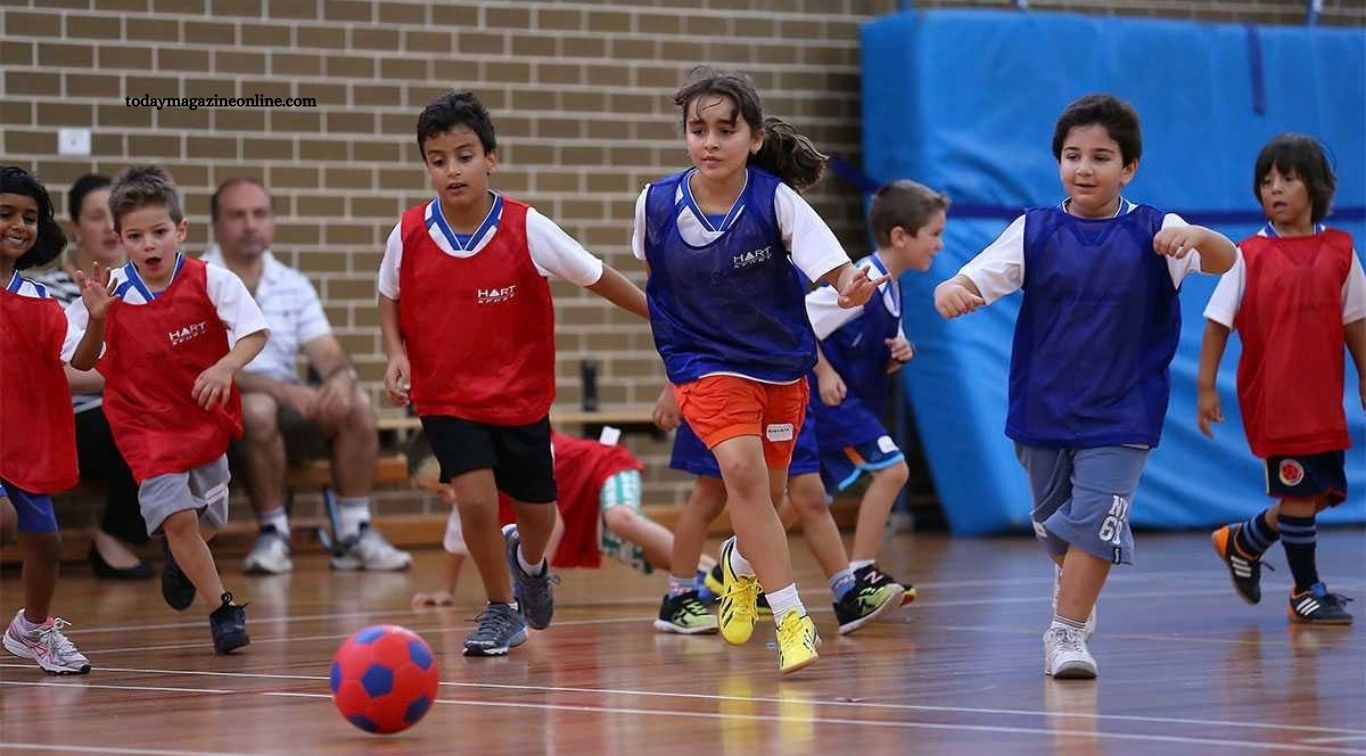
Youth sports have long been an important part of childhood, giving young people opportunities to stay active, build relationships, and discover new abilities. Whether children participate in football, basketball, cricket, swimming, athletics, or another sport, regular participation can shape their physical, emotional, and social development in meaningful ways.
Sports provide much more than competition. They create an environment where children learn discipline, teamwork, responsibility, communication, and perseverance. These lessons often extend beyond the playing field, helping young people become more confident, independent, and prepared for challenges in school, relationships, and future careers.
Read More: Sports Trends That Are Reshaping Competition
Youth Sports Support Physical Development
One of the most important benefits of youth sports is improved physical health. Regular movement helps children develop stronger muscles, healthier bones, better coordination, and improved cardiovascular fitness. Sports also encourage active habits that can continue throughout adulthood.
Children involved in sports often develop better balance, flexibility, speed, and motor skills. Running, jumping, throwing, swimming, and changing direction all improve body control. These physical abilities can make everyday activities easier while supporting healthy growth during important developmental years.
Youth sports can also help reduce excessive sedentary behavior. With children spending more time using smartphones, computers, gaming systems, and televisions, organized sports offer an enjoyable reason to move. Regular activity can support healthy weight management while improving energy levels and overall fitness.
Sports Build Confidence and Self-Esteem
Confidence develops when children see progress through effort. Learning a new skill, scoring a goal, improving a personal record, or helping a team succeed can create a strong sense of accomplishment. Youth sports allow children to experience this progress regularly. Improvement rarely happens immediately. Young athletes must practice, make mistakes, adjust their approach, and continue working. As their abilities improve, they begin understanding that effort can lead to meaningful results.
Confidence gained through sports can influence other areas of life. A child who becomes comfortable facing challenges on the field may become more willing to participate in classroom discussions, try new activities, or take responsibility in group projects. Sports also teach young people how to respond when things do not go according to plan. Losing a match or making a mistake can be disappointing, but learning how to recover helps build emotional strength.
Teamwork Becomes a Valuable Life Skill
Team sports provide a natural environment for learning cooperation. Players must understand that individual talent alone does not always create success. Communication, trust, and teamwork often determine how well a group performs. Young athletes learn how to listen to teammates, follow instructions, share responsibilities, and work toward common goals. They also discover how different personalities and abilities can contribute to a team’s success.
These experiences are valuable because teamwork is important throughout life. Schools, workplaces, businesses, and communities all depend on people working together effectively. Children who participate in team sports may become more comfortable collaborating with others because they regularly experience situations where cooperation matters.
Youth Sports Teach Discipline
Sports require consistency. Players must attend practice, follow rules, improve techniques, and prepare for competitions. These responsibilities naturally introduce children to discipline. A young athlete quickly learns that progress depends on regular effort. Missing practice or avoiding difficult exercises can affect performance. This connection between preparation and results can create a stronger understanding of personal responsibility.
Discipline developed through sports can also support academic habits. Children who learn how to manage practice schedules alongside school responsibilities may gradually improve their time-management abilities. Sports therefore provide practical lessons about commitment. Young people discover that meaningful improvement usually requires patience rather than immediate success.
Children Learn How to Handle Success and Failure
Winning feels exciting, while losing can feel frustrating. Youth sports expose children to both experiences in a structured environment. Learning how to celebrate success respectfully is an important part of character development. Children can appreciate their achievements while recognizing the effort of teammates and competitors. Failure creates equally important lessons. Missing an important shot, losing a competition, or making a mistake can teach children how to manage disappointment.
Instead of viewing failure as the end of progress, young athletes can learn to identify areas for improvement. Coaches and parents can help by emphasizing effort, preparation, learning, and personal growth rather than focusing only on results. This mindset can become valuable throughout adulthood because setbacks are unavoidable in education, careers, relationships, and personal goals.
Sports Improve Social Development
Youth sports bring children together around shared interests. Practices, games, tournaments, and training sessions create opportunities to meet people outside their usual social circles. These interactions can help children develop communication skills and friendships. They learn how to introduce themselves, cooperate, solve disagreements, support teammates, and interact with adults such as coaches and officials.
Playing with people from different backgrounds can also encourage respect and understanding. Children discover that successful teams often include individuals with different personalities, strengths, cultures, and experiences. The friendships developed through sports can become particularly meaningful because players share challenges, victories, training sessions, and memorable experiences.
Leadership Skills Develop Naturally
Youth sports frequently create leadership opportunities. A child may become a team captain, encourage another player, organize teammates during a game, or help younger athletes learn a skill. Leadership does not always require an official title. Simple actions such as showing responsibility, staying positive, or helping teammates can teach children what effective leadership looks like.
Young athletes also observe leadership from coaches and older players. Positive role models can demonstrate communication, fairness, patience, and accountability. These experiences can prepare children for leadership opportunities later in school, work, and community environments.
Sports Can Support Mental Well-Being
Physical activity can have a positive influence on emotional well-being. Sports provide children with a healthy outlet for energy while giving them structured activities to focus on. Training and competition can create moments where children temporarily step away from academic pressure, technology, and everyday concerns. Exercise can also promote better mood, improved sleep, and greater feelings of accomplishment.
Being part of a team may provide another important benefit: belonging. Children often value feeling connected to teammates, coaches, and a shared goal. A supportive sporting environment can help young people feel recognized and encouraged, particularly when coaches and parents prioritize development over constant pressure to win.
Goal Setting Becomes Part of Everyday Progress
Sports naturally encourage goal setting. Young athletes may want to improve speed, accuracy, endurance, technique, or overall performance. These goals teach children how larger achievements can be divided into smaller steps. A player may practice a particular technique repeatedly before seeing noticeable improvement.
Learning this process helps children understand patience and persistence. Goal-setting skills can later be applied to academic achievement, personal development, professional ambitions, and other long-term objectives.
The Role of Coaches and Parents
The developmental value of youth sports depends heavily on the environment surrounding young athletes. Coaches and parents play an important role in creating positive experiences. Supportive adults should encourage effort, learning, respect, and enjoyment rather than placing excessive pressure on winning. Children need room to make mistakes without feeling embarrassed or afraid.
Coaches can create healthy sporting environments by treating players fairly, communicating clearly, encouraging teamwork, and promoting good sportsmanship. Parents can help by showing interest without controlling every aspect of their child’s participation. Encouraging improvement and celebrating effort can make sports more enjoyable and sustainable.
Sports Help Prepare Children for Future Challenges
Many lessons learned through youth sports have long-term value. Discipline, cooperation, resilience, communication, goal setting, and leadership are skills that can support children far beyond athletic competition. Young athletes regularly experience situations where they must adapt quickly, solve problems, communicate under pressure, and continue working after disappointment.
These experiences help prepare children for challenges they may encounter later in education, employment, relationships, and personal responsibilities. Sports cannot guarantee success, but they can provide practical situations where important life skills are developed through experience.
Creating a Healthy Youth Sports Experience
Youth sports are most beneficial when participation remains balanced. Children need proper rest, education, family time, and opportunities for other interests.
Excessive training or unrealistic expectations can reduce enjoyment and increase stress. Young athletes should be encouraged to listen to their bodies, communicate concerns, and maintain balance between sport and everyday life.
The focus should remain on development rather than perfection. Winning can be enjoyable, but learning, friendship, health, confidence, and personal improvement provide lasting benefits.
Frequently Asked Questions
Why are youth sports important for development?
Youth sports improve physical health, confidence, discipline, teamwork, communication, and social skills.
How do sports help children build confidence?
Sports help children gain confidence by improving skills, reaching goals, and overcoming challenges.
Can youth sports improve social skills?
Yes. Team sports encourage communication, cooperation, friendship, respect, and positive interaction with others.
How do sports teach discipline?
Regular practice, following rules, managing time, and staying committed help children develop discipline.
Do youth sports support mental well-being?
Yes. Physical activity can reduce stress, improve mood, build confidence, and create a sense of belonging.
What is the biggest benefit of youth sports?
Youth sports help children develop valuable physical, emotional, and social skills that can support them throughout life.
Conclusion
Youth sports play a vital role in development by supporting physical fitness, emotional growth, social skills, discipline, confidence, and leadership. Participation allows children to experience teamwork, success, failure, responsibility, and continuous improvement within a structured environment. The greatest value of youth sports extends far beyond trophies or competition results. Positive sporting experiences can teach young people skills and habits that remain useful throughout their lives.

1 Comment
Pingback: Technology Innovations That Could Change the Way We Live - Today Magazine Online