

Digital technology continues to transform how people work, communicate, learn, shop, and manage everyday activities. From artificial intelligence to connected devices, innovations are creating opportunities for businesses and individuals while changing expectations across industries. As technology evolves, understanding emerging trends can help people prepare for new possibilities and make informed decisions.
The future of digital technology will be shaped by smarter software, faster connectivity, stronger cybersecurity, and more personalized digital experiences. Businesses are investing in automation, cloud services, and data-driven solutions to improve efficiency, while consumers are adopting tools that simplify daily tasks. Exploring these developments provides valuable insight into the technologies likely to influence the coming years.
Read More: Technology Developments That Could Define the Next Decade
Artificial Intelligence Will Become More Advanced
Artificial intelligence (AI) is becoming an essential part of modern digital systems. AI-powered tools can analyze information, generate content, answer questions, support customer service, and help businesses make decisions. As these systems improve, they are expected to handle increasingly complex tasks across healthcare, education, finance, manufacturing, and other industries.
Future AI systems may offer more personalized assistance by understanding users’ needs and adapting to different situations. However, organizations will need to address challenges involving accuracy, privacy, bias, and accountability. Human oversight will remain important for decisions that require judgment, professional expertise, or an understanding of sensitive circumstances.
Automation Will Transform Business Operations
Automation is changing how businesses manage repetitive tasks and organize daily operations. Digital systems can automate activities such as appointment scheduling, invoice processing, inventory tracking, email responses, and routine data entry. These improvements help employees spend more time on creative work, customer relationships, and strategic planning.
Future automation tools will increasingly combine AI with existing business software. This could allow companies to connect multiple workflows, identify problems earlier, and reduce manual work across departments. Successful adoption will depend on selecting suitable tools, training employees, monitoring performance, and ensuring that automated processes remain reliable and secure.
Cloud Computing Will Continue to Expand
Cloud computing allows individuals and organizations to access software, storage, and computing resources through the internet. Instead of relying entirely on local computers or physical servers, businesses can use cloud platforms to manage applications, collaborate remotely, and scale resources according to demand. This flexibility has made cloud services an important part of digital transformation.
In the future, cloud environments are likely to become more specialized, combining public cloud services, private infrastructure, and local computing resources. Businesses will focus on performance, cost management, data protection, and regulatory requirements when choosing their cloud strategies. Better integration between cloud platforms and AI systems may also support faster data analysis and more efficient applications.
Cybersecurity Will Become More Important
As more personal and business activities move online, cybersecurity will remain a major priority. Cyberattacks, phishing scams, data breaches, and identity theft can affect individuals, companies, and public institutions. Protecting digital information requires more than antivirus software; it also involves secure passwords, regular updates, access controls, and employee awareness.
Future security systems will increasingly use AI to identify suspicious activity and respond to threats more quickly. Passwordless authentication, stronger encryption, and zero-trust security approaches may also become more common. However, attackers will continue developing new techniques, making continuous monitoring and responsible security practices essential for protecting digital environments.
The Internet of Things Will Connect More Devices
The Internet of Things (IoT) connects physical devices to networks so they can collect information, communicate, and respond to commands. Smart thermostats, connected appliances, wearable devices, industrial sensors, and security cameras are common examples. These technologies can improve convenience, provide useful insights, and help people manage resources more efficiently.
Future IoT systems may support smarter homes, more efficient transportation, and better monitoring of industrial equipment. Connected sensors could help detect maintenance problems before equipment fails, while smart building systems could adjust lighting and temperature according to usage. To deliver these benefits safely, manufacturers must prioritize reliable connectivity, software updates, data privacy, and secure device management.
5G and Future Connectivity Will Improve Digital Experiences
Faster and more reliable connectivity supports many modern technologies, including cloud applications, connected vehicles, remote collaboration, and smart devices. 5G networks can provide high data speeds and low latency under suitable conditions, although actual performance depends on coverage, network congestion, and the device being used.
Research and development into 6G may eventually bring further improvements in wireless communication, sensing, and network integration. These advances could support more responsive digital services and new applications that require rapid communication between devices. However, widespread adoption will depend on infrastructure investment, technical standards, affordability, and practical benefits for users.
Edge Computing Will Process Data Closer to Its Source
Edge computing processes information near the device or location where it is generated instead of sending every piece of data to a distant cloud server. This approach can reduce delays, limit unnecessary data transfers, and support applications that require quick responses. It is particularly useful for industrial equipment, connected vehicles, security systems, and real-time monitoring.
As connected devices become more capable, edge computing may work alongside cloud platforms to create more efficient digital systems. A smart factory, for example, could analyze sensor readings locally while sending selected information to the cloud for long-term analysis. This combination can improve responsiveness, although organizations must still manage device security, maintenance, and computing limitations.
Augmented Reality and Virtual Reality Will Evolve
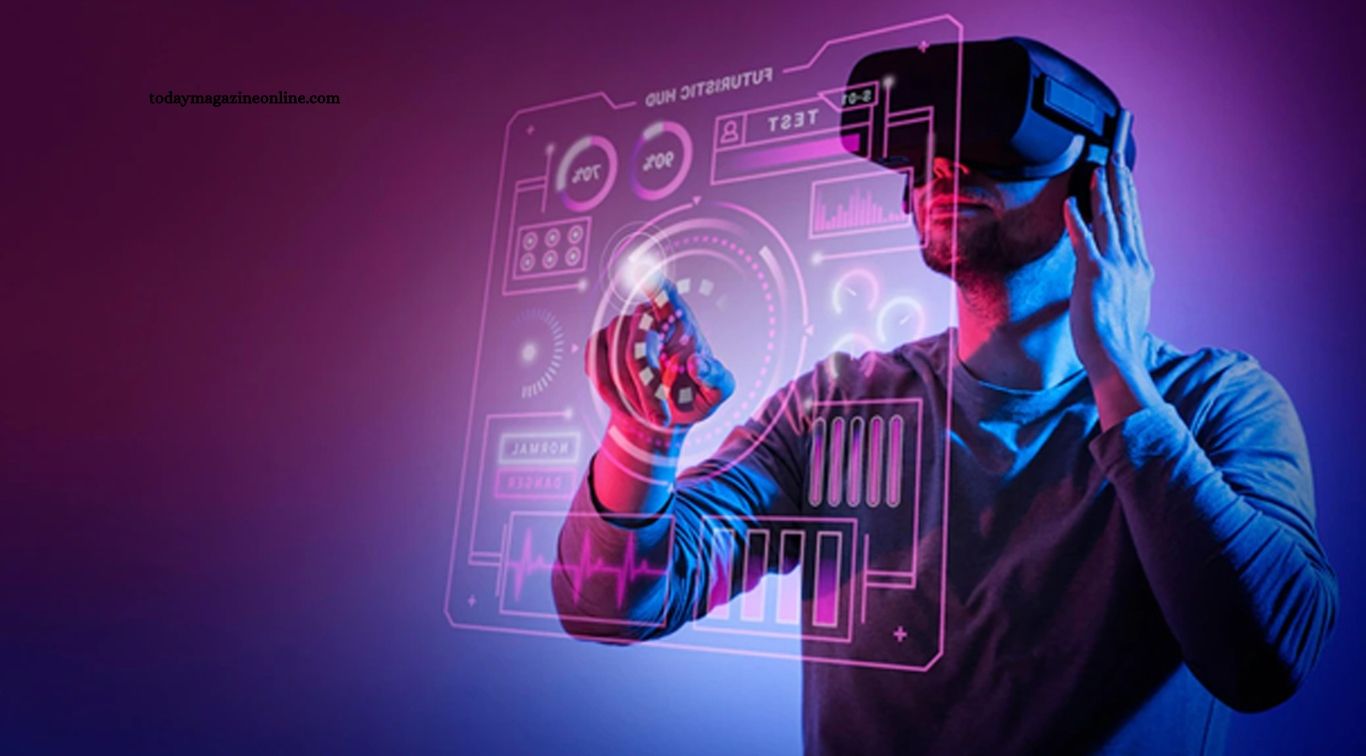
Augmented reality (AR) adds digital information to views of the real world, while virtual reality (VR) creates computer-generated environments. These technologies already support gaming, training, product demonstrations, education, and certain professional applications. Improvements in displays, tracking, processing power, and device comfort may make them more practical for everyday use.
Future AR and VR experiences could help customers preview furniture in their homes, allow technicians to view digital instructions during repairs, or give students interactive learning environments. Businesses may also use immersive technology for remote training and product design. Wider adoption will depend on affordability, useful applications, comfortable hardware, and responsible handling of visual and personal data.
Digital Health Technology Will Improve Patient Support
Digital health technology includes telemedicine, wearable sensors, electronic health records, and software that helps healthcare professionals monitor patients. These tools can make some services more accessible and support communication between patients and medical teams. Wearable devices can also provide information about activity, heart rate, and sleep, depending on the device and its capabilities.
Future healthcare systems may use AI-assisted analysis and connected monitoring to help professionals identify patterns and manage routine tasks. However, digital tools cannot replace every medical examination or professional judgment. Protecting health information, evaluating accuracy, ensuring accessibility, and maintaining appropriate clinical oversight will be essential as these technologies develop.
Blockchain Technology Will Expand Beyond Cryptocurrency
Blockchain is a type of distributed digital ledger that records information across a network. Although it is widely associated with cryptocurrency, the technology can also support certain applications involving supply-chain tracking, digital identity, record management, and verification. Its usefulness depends on the problem being solved and whether a shared, tamper-resistant record offers advantages over conventional databases.
Future blockchain projects may focus on improving transaction efficiency, interoperability, and practical business applications. Organizations could use distributed ledgers to trace products, verify selected records, or coordinate transactions between different parties. Nevertheless, blockchain is not automatically more secure or efficient than traditional systems. Costs, privacy requirements, governance, scalability, and regulatory considerations must be evaluated before adoption.
Quantum Computing May Address Specialized Problems
Quantum computing uses principles of quantum physics to process information in ways that differ from conventional computing. Researchers are exploring its potential for specialized problems in areas such as materials science, chemistry, optimization, and certain types of scientific simulation. However, current quantum computers face significant technical challenges and are not general-purpose replacements for ordinary computers.
Future progress may lead to useful applications in carefully selected fields, although the timeline and commercial impact remain uncertain. Organizations are also examining how advances in quantum computing could affect current encryption methods. Preparing for potential risks includes following developments in post-quantum cryptography and planning transitions to security standards designed to withstand future quantum attacks.
Digital Twins Will Support Smarter Decisions
A digital twin is a virtual representation of a physical object, system, or process that can be updated using real-world data. Manufacturers, engineers, and infrastructure operators can use digital twins to study performance, test scenarios, and identify potential problems before making changes to physical systems.
In the future, digital twins may become more closely connected with IoT sensors, AI analysis, and simulation tools. This combination could help companies improve equipment maintenance, optimize energy use, and plan infrastructure projects. The quality of a digital twin depends on reliable data, accurate models, and regular updates, so organizations must ensure that their virtual representations reflect real operating conditions.
Green Technology Will Influence Digital Innovation
Digital technology creates opportunities to improve energy efficiency, but it also consumes electricity and requires physical resources. Data centers, connected devices, and AI workloads can increase energy demand, while electronic waste creates environmental challenges. As digital systems expand, businesses and technology providers will face growing pressure to improve sustainability.
Future innovation may focus on energy-efficient processors, cleaner electricity, longer-lasting devices, improved recycling, and software that uses computing resources more effectively. Organizations can also evaluate whether cloud migration, automation, or smart energy systems genuinely reduce their environmental impact. Sustainable technology requires considering the full lifecycle of equipment, from manufacturing and operation to repair and disposal.
Digital Privacy and Data Protection Will Shape Innovation
Modern digital services often rely on personal information to personalize recommendations, improve functionality, and measure performance. Although data collection can provide benefits, it also creates risks when information is collected unnecessarily, stored insecurely, or shared without appropriate safeguards. Users increasingly need clear explanations of how their information is handled.
Future digital platforms may place greater emphasis on privacy controls, transparent data practices, and technologies that reduce exposure of sensitive information. Businesses will need to consider applicable data protection laws and build privacy into their products from the beginning. Clear consent, limited data collection, secure storage, and responsible information sharing can help build trust between users and technology providers.
Digital Skills Will Become Essential for the Future
As digital tools become more common, digital literacy will remain important for students, employees, entrepreneurs, and professionals. Understanding how to use online platforms, evaluate information, protect accounts, and work with digital applications can improve productivity and create new opportunities. AI tools and automation will also increase the value of learning how to assess technology-generated results critically.
Future workplaces may place greater emphasis on adaptability, problem-solving, data literacy, cybersecurity awareness, and collaboration with digital systems. People do not need to become software engineers to benefit from technological progress. Building practical skills through online courses, guided projects, workplace training, and regular practice can help individuals stay prepared as tools and job requirements change.
How Businesses Can Prepare for Future Digital Technology
Businesses can prepare for technological change by identifying their most important challenges before purchasing new tools. A company might begin with automating repetitive administrative work, improving cybersecurity, or moving selected applications to the cloud. Clear goals make it easier to evaluate whether a technology delivers measurable value.
Organizations should also invest in employee training, data management, and responsible technology policies. Testing new solutions on a small scale can reveal practical limitations before a wider rollout. By reviewing performance regularly and adapting their strategy as needs evolve, businesses can use digital innovation to improve operations without adopting every new trend simply because it is popular.
Challenges That Could Affect Digital Technology Growth
Despite its benefits, digital technology faces challenges involving cost, unequal access, privacy, cybersecurity, technical complexity, and the changing nature of work. Some communities lack reliable internet access or suitable devices, while smaller organizations may struggle to afford advanced systems. These barriers can prevent people from sharing equally in the benefits of digital innovation.
Another challenge is ensuring that technology is used responsibly. AI systems can produce inaccurate results, connected devices may expose sensitive information, and poorly planned automation can create operational problems. Addressing these concerns requires thoughtful design, clear accountability, accessible education, and cooperation between technology providers, businesses, governments, and users.
Frequently Asked Questions
What is the future of digital technology?
Digital technology is expected to become more connected, intelligent, automated, and personalized through advances in AI, cloud computing, cybersecurity, and smart devices.
Which digital technology trends should people watch?
Important trends include artificial intelligence, business automation, IoT, edge computing, 5G, digital health, and privacy-focused technologies.
How will AI change everyday life?
AI may help people complete tasks, access information, personalize digital services, and automate routine activities, while still requiring human oversight.
Why is cybersecurity important for future technology?
Cybersecurity protects personal information, business systems, and connected devices from unauthorized access, data theft, and digital attacks.
Will automation replace human jobs?
Automation may change or replace some tasks while creating demand for other skills. The impact will vary by industry, occupation, and how organizations adopt technology.
How can businesses prepare for digital transformation?
Businesses can identify operational needs, invest in suitable tools, strengthen cybersecurity, train employees, and measure the results of new technology.
Conclusion
The future of digital technology will be shaped by artificial intelligence, automation, cloud computing, cybersecurity, connected devices, immersive experiences, and other emerging innovations. These developments can improve productivity, support better decisions, and create new ways to communicate, learn, and solve problems. At the same time, privacy, security, accessibility, and sustainability will remain important considerations. Individuals can prepare by building digital skills, staying informed, and learning to use new tools responsibly. Businesses can benefit by choosing technologies that address real needs, training employees, and measuring results.
