

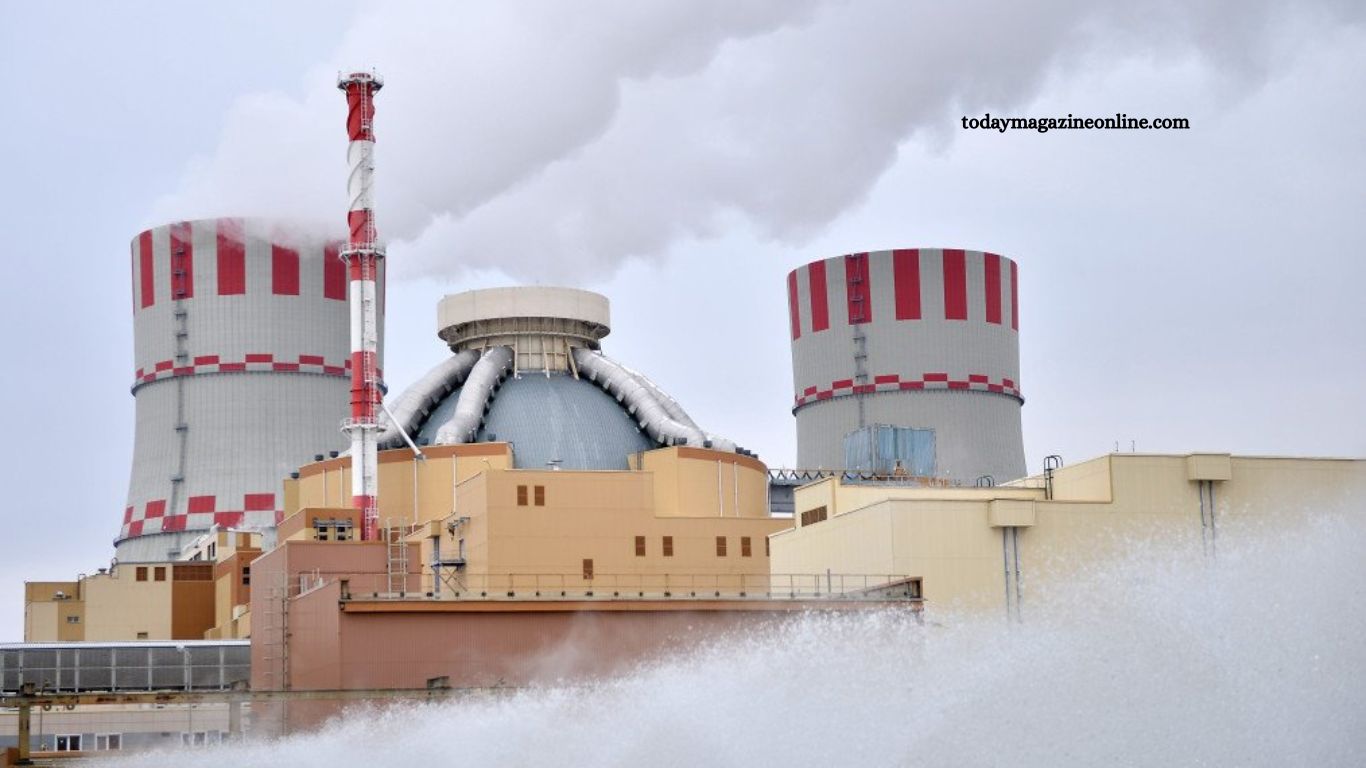
Russia has turned to China for critical nuclear technology for the first time, highlighting significant weaknesses in its domestic capabilities. Facing mounting challenges from Western sanctions, international isolation, and aging infrastructure, the Russian nuclear sector can no longer reliably produce essential components for its reactors. According to Ukrainian intelligence, Rosatom, Russia’s state nuclear corporation, recently purchased turbo-generator units from China’s Dongfang Turbine Company for use at the Leningrad Nuclear Power Plant.
This historic move not only underscores Russia’s declining self-sufficiency in nuclear engineering but also establishes a long-term dependence on Beijing. Experts warn that reliance on Chinese equipment and expertise could delay key reactor projects and reshape Russia’s ambitions in global nuclear energy, with potential strategic and economic consequences.
Historic Acquisition of Chinese Nuclear Technology
According to a December 26 report by Ukraine’s Foreign Intelligence Service (SZR), Rosatom, Russia’s state nuclear corporation, purchased two turbo-generator units from China’s state-owned Dongfang Turbine Company. These units are intended for the Leningrad Nuclear Power Plant, marking the first instance of Russia acquiring core nuclear technology from a foreign supplier.
The SZR assessment emphasizes that this deal reflects a decline in Russia’s ability to independently manufacture essential nuclear components. “This is not only a demonstration of technological degradation,” the report stated, “but also establishes a long-term dependence on China.”
Expanding Dependence on Chinese Technology
Rosatom has reportedly sought additional support from Chinese manufacturers, requesting technology transfers for low-speed steam turbines—key components in nuclear reactors. Deliveries are expected to continue through 2030, potentially delaying several Russian nuclear projects.
Ukrainian intelligence also highlighted that Russian-made turbines are approximately 30% more expensive than their Chinese equivalents. Domestic production facilities are increasingly unable to meet construction schedules for new reactors at Leningrad, Kursk, and Smolensk nuclear power plants.
Implications for Russia’s Nuclear Sector
Russia’s reliance on Chinese technology extends beyond equipment supply. The SZR noted that the Russian nuclear program now depends on Chinese servicing and modernization capabilities, which could shape the trajectory of the country’s civilian nuclear energy initiatives.
This shift could have long-term consequences for Russia’s ambitions to position itself as a global leader in nuclear energy exports. Dependence on Chinese turbines may complicate international projects and future strategic autonomy in the sector.
Broader Context and Strategic Concerns
The reliance on China comes amid broader energy and security discussions. Reports indicate that Russia and the United States are negotiating joint control of the Russian-occupied Zaporizhzhia Nuclear Power Plant, including arrangements for electricity supply and even potential cryptocurrency mining operations at the site.
As Russia navigates domestic production challenges and international isolation, its increasing dependence on China underscores a pivotal moment in the country’s nuclear energy strategy.
Frequently Asked Questions
Why is Russia buying from China?
Its domestic nuclear industry is struggling due to sanctions and production limits.
What did Russia purchase?
Two turbo-generator units from China’s Dongfang Turbine Company.
Is this a first?
Yes, Russia has never imported core nuclear technology before.
How do Chinese components compare?
They are cheaper—about 30% less expensive—and easier to source than Russian-made parts.
What are the risks?
Long-term dependence on China may limit Russia’s autonomy and slow reactor projects.
Will it affect other nuclear plants?
Yes, the Leningrad, Kursk, and Smolensk projects could face delays.
Conclusion
Russia’s turn to Chinese nuclear technology marks a significant shift in its energy strategy. Once a symbol of domestic technological prowess, the country now faces growing dependence on foreign suppliers to sustain its nuclear infrastructure. While Chinese equipment offers a cost-effective and timely solution, the long-term reliance on Beijing could limit Russia’s strategic autonomy, delay key projects, and reshape its role in the global nuclear energy market.
