

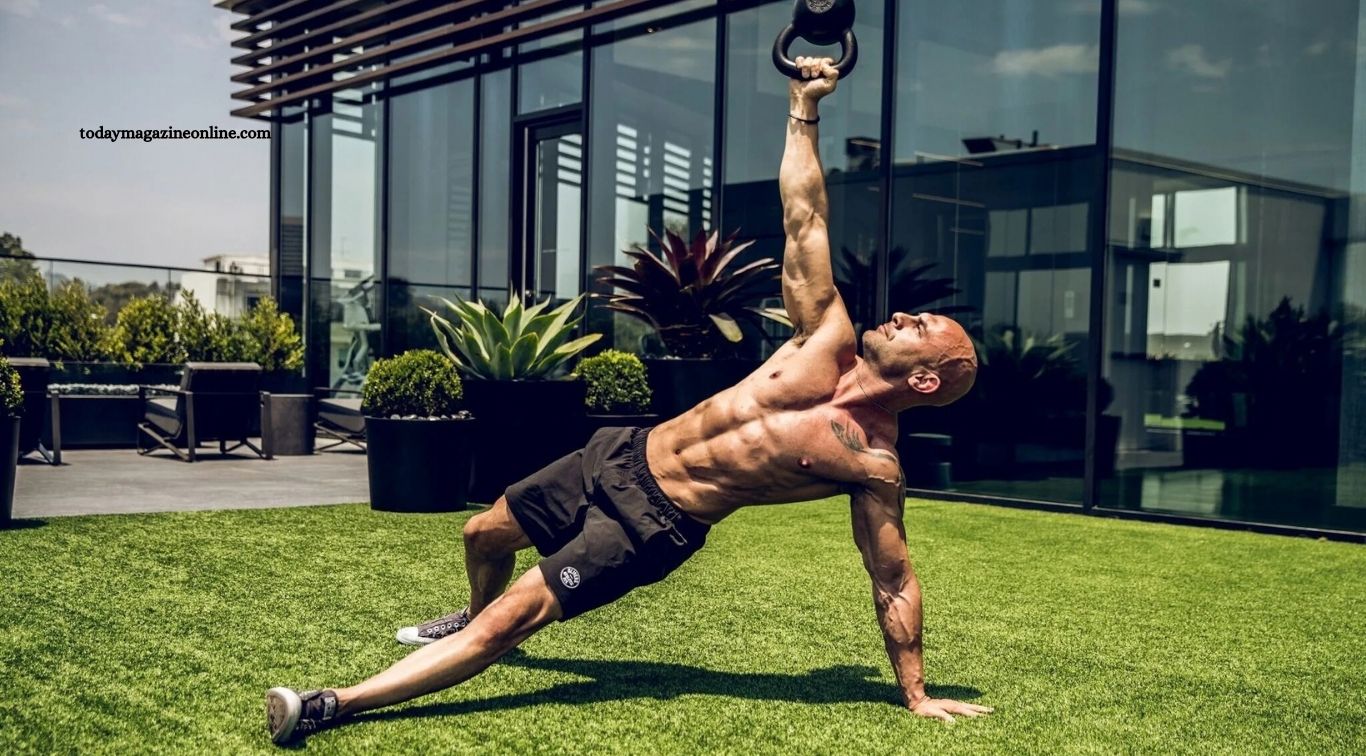
Professional athletes train with a clear purpose, combining strength, endurance, mobility, speed, and recovery to improve performance. Their routines can inspire everyday fitness plans without requiring professional-level equipment or training hours. By adapting athlete-inspired exercises to your fitness level, you can build a balanced routine that supports strength, stamina, flexibility, and overall health.
The key is consistency rather than intensity alone. A practical athlete-inspired workout can include resistance training, cardiovascular exercises, mobility work, and proper recovery. Whether your goal is to become stronger, improve endurance, lose body fat, or simply stay active, professional sports training offers useful ideas for creating an effective fitness routine.
Read More: How Technology Is Transforming the Sports Industry
What Makes Professional Athlete Workouts Different?
Professional athletes usually follow structured training programs designed around their sport and individual goals. Their workouts often combine several training methods instead of focusing on one type of exercise. A football player may work on speed and lower-body strength, while a swimmer may focus heavily on endurance, mobility, and upper-body conditioning.
Another important part of athletic training is recovery. Rest days, stretching, mobility exercises, sleep, hydration, and proper nutrition help the body handle demanding workouts. You can apply the same principles to a regular fitness routine by balancing challenging sessions with enough recovery time.
Strength Training Inspired by Athletes
Strength training is an important part of many professional sports. Athletes use exercises such as squats, lunges, push-ups, rows, presses, and deadlifts to develop stronger muscles and improve movement. You do not need heavy professional equipment to benefit from these exercises.
A beginner-friendly strength routine can include bodyweight squats, push-ups, glute bridges, lunges, and planks. More experienced individuals can add dumbbells, resistance bands, or barbells. Focus on proper technique and controlled movements instead of trying to lift the heaviest possible weight.
Athlete-Inspired Cardio Routine
Professional athletes often use different forms of cardio to improve stamina and conditioning. Running, cycling, swimming, rowing, and interval training can all improve cardiovascular fitness. The best option depends on your current fitness level and personal preference.
A simple athlete-inspired cardio session can alternate between moderate and higher-intensity periods. For example, you could walk or jog comfortably for a few minutes before adding short, faster intervals. This approach can make cardio more engaging while gradually improving endurance.
Speed and Agility Training
Speed and agility are essential in sports such as football, basketball, tennis, and cricket. Athletes frequently practice quick movements, changes of direction, balance, and acceleration. These exercises can also make everyday workouts more dynamic.
Simple drills include lateral movements, high knees, short sprints, shuttle runs, and quick-foot exercises. Beginners should start with controlled movements and plenty of rest between sets. As coordination improves, the intensity and duration can gradually increase.
Mobility and Flexibility Workouts
Mobility plays an important role in athletic performance because athletes need to move efficiently through different ranges of motion. Regular mobility exercises can also help everyday exercisers maintain comfortable movement during workouts and daily activities.
A mobility session can include hip rotations, shoulder circles, ankle movements, dynamic leg swings, and gentle stretches. Performing mobility exercises before training can prepare the body for movement, while slower stretching after exercise can form part of a relaxing cooldown.
Core Training Used by Athletes
A strong core supports balance, stability, posture, and efficient movement. Professional athletes often train their abdominal and surrounding muscles through exercises that require the body to resist movement rather than simply performing traditional crunches.
Planks, side planks, dead bugs, bird dogs, and controlled mountain climbers are useful options. Start with short sets and prioritize proper form. A strong core routine does not need to be extremely long; consistent training can provide better results than occasional intense sessions.
A Weekly Athlete-Inspired Fitness Routine
A balanced weekly plan can combine different elements of athletic training without copying a professional athlete’s full workload. The following structure provides a practical starting point:
- Monday: Full-body strength training
- Tuesday: Cardio and mobility
- Wednesday: Lower-body strength and core
- Thursday: Active recovery or light walking
- Friday: Upper-body strength and agility
- Saturday: Cardio or recreational sport
- Sunday: Rest and recovery
The exact schedule can be adjusted according to your fitness level, available time, and goals. Beginners may need fewer training days, while experienced exercisers can gradually increase workout volume.
How to Train Like an Athlete at Home
You can create an effective athlete-inspired workout without a gym. Bodyweight exercises such as squats, push-ups, lunges, planks, mountain climbers, and glute bridges provide plenty of options for home training.
A small amount of equipment can expand your choices. Resistance bands, adjustable dumbbells, a jump rope, and a workout mat can support strength, conditioning, and mobility exercises. However, equipment should complement your routine rather than become a requirement for staying active.
Recovery Is Part of the Routine
Professional training is not only about hard workouts. Recovery is a major part of athletic performance. Your body needs adequate rest to adapt to training and maintain performance.
Prioritize quality sleep, hydration, balanced nutrition, mobility work, and rest days. Avoid increasing training intensity too quickly. Persistent pain, unusual fatigue, or reduced performance can be signs that your body needs additional recovery or professional guidance.
Nutrition for an Athlete-Inspired Lifestyle
Exercise works best alongside appropriate nutrition. Professional athletes generally pay close attention to energy intake, protein, carbohydrates, fats, fluids, and micronutrients based on their training demands.
For everyday fitness, focus on balanced meals containing protein sources, vegetables, fruits, whole grains, and healthy fats. Staying hydrated is also important, especially during longer or more intense workouts. Individual nutritional needs can vary significantly, so athletes’ exact diets should not be copied without considering personal requirements.
How Beginners Can Start Safely
Starting with a professional athlete’s full training schedule is unnecessary and can make exercise unnecessarily difficult. Instead, choose a few basic movements and learn proper technique before increasing workout volume or intensity.
Begin with manageable sessions two or three times per week. Gradually add repetitions, resistance, duration, or training days as your fitness improves. Warming up before exercise and allowing adequate recovery between demanding sessions can also support a more sustainable routine.
Benefits of Athlete-Inspired Fitness Routines
Athlete-inspired workouts can provide a balanced approach to fitness because they combine multiple physical qualities. Strength exercises can support muscle development, cardio can improve endurance, mobility work can support movement, and agility exercises can improve coordination.
Another benefit is variety. Mixing different forms of exercise can keep workouts interesting and reduce the feeling of repeating the same routine every day. The goal is not to train exactly like a professional athlete but to adopt useful principles from athletic preparation.
Common Mistakes to Avoid
One common mistake is focusing on intensity while ignoring technique. Professional athletes have years of training and often work with coaches, so copying their most demanding workouts can be inappropriate for beginners.
Another mistake is neglecting recovery. Training every day without enough rest does not automatically produce better results. A sustainable fitness routine should balance exercise, recovery, nutrition, and gradual progression.
Frequently Asked Questions
What is an athlete-inspired fitness routine?
It is a balanced workout combining strength, cardio, mobility, agility, core exercises, and recovery.
Can beginners follow athlete-inspired workouts?
Yes. Beginners should start with simple exercises and gradually increase intensity based on their fitness level.
How often should I train like an athlete?
Two to five workout days per week can work well, depending on your goals, fitness level, and recovery needs.
Can I do athlete-inspired workouts at home?
Yes. Bodyweight exercises, resistance bands, dumbbells, and jump ropes can support effective home workouts.
Why is recovery important for fitness?
Recovery allows your body to adapt to exercise, manage fatigue, and prepare for future workouts.
Do athlete-inspired routines help build strength?
Yes. Strength exercises such as squats, lunges, push-ups, rows, and presses can improve muscular strength and fitness.
Conclusion
Fitness routines inspired by professional athletes can provide a balanced approach to improving strength, endurance, mobility, speed, and overall fitness. You do not need to copy an athlete’s intense training schedule. Instead, adapt useful exercises and training principles to your own fitness level and goals. Consistency, proper technique, healthy nutrition, and sufficient recovery are essential for long-term progress. Start with manageable workouts, increase intensity gradually, and give your body enough time to recover.
